Texas Air Mechanics for Indoor Air Quality Testing Near Me and Cleaner Indoor Spaces
By james walker
8 Views
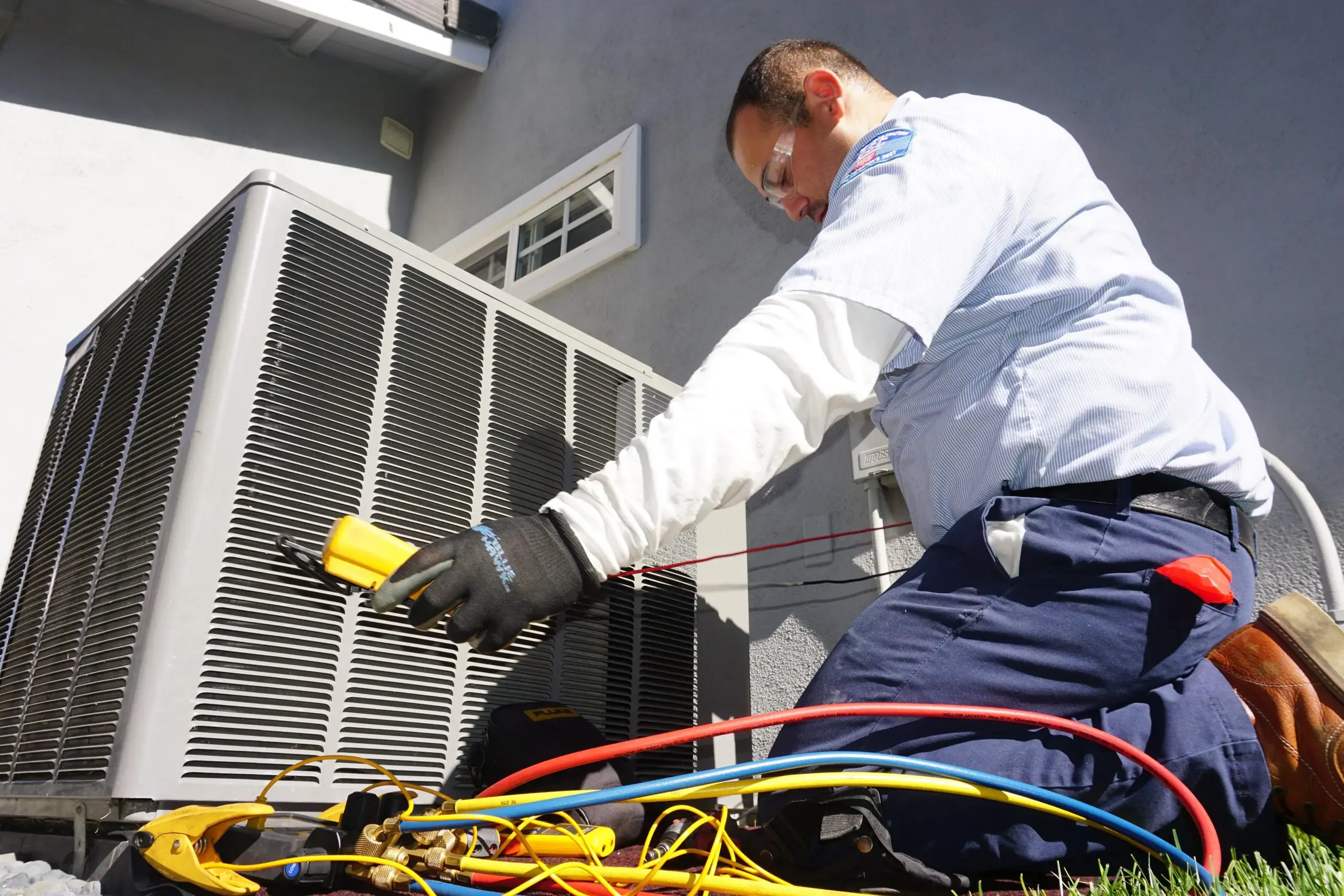
Searching for indoor air quality testing near me is a practical first step when your home or workplace feels dusty, stuffy, or uncomfortable. Indoor air can contain particles from dust, pollen, pet dander, cleaning products, cooking, and other everyday sources. Poor ventilation and moisture problems may also affect the indoor environment. Understanding these factors can help property owners decide whether they need an air quality assessment, HVAC maintenance, or improvements to their filtration and ventilation systems. Texas Air Mechanics provides indoor air quality solutions for residential and commercial properties in Fort Worth and surrounding North Texas communities.
Indoor air quality involves more than how fresh a room smells or whether the temperature feels comfortable. A building may have hidden ventilation issues, excessive humidity, or particles circulating through its HVAC system without obvious signs. An appropriate assessment can help identify potential concerns and determine which measurements or inspections may be useful. Since different pollutants require different testing methods, the right approach depends on the property's condition and the specific concerns reported by its occupants.
Common Signs of Poor Indoor Air Quality
Several signs may suggest that your indoor environment needs attention. Dust that returns quickly after cleaning, persistent musty odors, stuffy rooms, and visible moisture around windows or walls can indicate possible ventilation or humidity concerns. Some occupants may also notice irritation when spending time indoors, although these symptoms can have many causes and do not automatically prove that the air quality is poor. Paying attention to when and where these problems occur can provide useful information for a professional evaluation.
Uneven airflow and lingering odors may also point toward issues involving ductwork, filtration, ventilation, or moisture control. For example, a blocked filter can restrict airflow, while a damp area may create conditions that support mold growth. If you notice visible mold, recurring leaks, or a persistent musty smell, it is important to investigate the source rather than simply covering up the odor. A suitable inspection can help determine whether HVAC-related improvements or specialized environmental testing may be needed.
What Indoor Air Quality Testing Can Evaluate
Indoor air quality testing can involve measuring or sampling specific substances in a building's air. Depending on the concern, an assessment may examine airborne particles, carbon dioxide, carbon monoxide, volatile organic compounds, humidity, or possible mold contamination. Not every property requires every test, and the equipment used will depend on the questions being investigated. A clear understanding of the problem helps determine which measurements are relevant and how the results should be interpreted.
It is also important to understand the difference between an HVAC air quality assessment and specialized environmental testing. An HVAC technician can evaluate filtration, airflow, ventilation, humidity control, and equipment-related factors. Suspected mold contamination, chemical exposure, or other environmental hazards may require a qualified indoor environmental professional and laboratory analysis. Texas Air Mechanics offers indoor air quality solutions, including filtration, air purification, humidity control, and duct cleaning, to help address common HVAC-related air quality concerns.
The Role of Your HVAC System in Indoor Air Quality
Your heating and cooling system can influence the movement of air throughout your property. Filters capture certain airborne particles as air passes through the equipment, while ventilation helps manage the exchange of indoor and outdoor air. If filters are unsuitable, heavily clogged, or replaced too infrequently, system performance may suffer. Ductwork problems and blocked vents can also affect airflow, making it more difficult to maintain consistent comfort in different rooms.
Regular HVAC maintenance can help identify conditions that may contribute to indoor air quality concerns. A technician may inspect the filter, examine accessible ductwork, check airflow, and review the operation of relevant components. These steps can reveal whether a maintenance issue is affecting circulation or filtration. However, a routine HVAC inspection does not automatically test for every possible contaminant, so property owners should explain any specific concerns when scheduling service.
Indoor Air Quality Solutions for Homes and Businesses
Residential properties may benefit from improvements tailored to their occupants and building conditions. High-efficiency filtration can help capture certain airborne particles, while whole-home air purification systems may provide additional treatment depending on the technology used. Humidity control can also be important in homes where moisture levels remain high. The most suitable option depends on the source of the problem, the HVAC system's compatibility, and the property's ventilation requirements.
Commercial buildings may have more complex air quality needs because of occupancy levels, operating hours, equipment, and the activities taking place inside. Offices, retail spaces, and other workplaces may need a closer look at ventilation, filter maintenance, and indoor humidity. A suitable HVAC assessment can help identify potential system-related improvements. Texas Air Mechanics works with residential and commercial customers seeking practical heating, cooling, and indoor air quality solutions suited to their properties.
Air Filtration and Purification Options
Air filtration is one of the basic ways to manage airborne particles that circulate through an HVAC system. Different filters have different particle-capture capabilities, and a filter should be selected according to the equipment manufacturer's specifications and the system's airflow requirements. Installing a filter that is too restrictive for the system may interfere with airflow, so choosing the highest-rated filter available is not always the best approach. Regular inspection and timely replacement are equally important for maintaining performance.
Air purification systems can provide another option when property owners have specific concerns about airborne contaminants or odors. Available technologies vary in how they work, what they can remove or reduce, and how much maintenance they require. Before choosing a system, ask what it is designed to address and whether independent performance information is available. No single device removes every pollutant, so filtration and purification should be considered alongside source control, proper ventilation, and moisture management.
Managing Humidity and Preventing Moisture Problems
Humidity affects both indoor comfort and the condition of a building. Excess moisture may encourage mold growth when it combines with suitable surfaces and conditions, while very dry air can also create discomfort. Monitoring indoor humidity and addressing leaks or condensation can help property owners understand whether moisture control needs improvement. The appropriate humidity level can vary with outdoor conditions, building design, and occupant needs, so measurements should be considered in context.
If you notice recurring condensation, damp materials, or a musty smell, look for the underlying source of moisture. Possible causes include plumbing leaks, roof problems, inadequate exhaust ventilation, or an HVAC system that is not managing humidity effectively. Cleaning visible surfaces without correcting the moisture source may not resolve the problem. When mold or extensive water damage is suspected, consider qualified environmental assessment and appropriate remediation rather than relying only on air filters or fragrance products.
Duct Cleaning and Ventilation Improvements
Air ducts distribute conditioned air throughout many homes and commercial buildings. Over time, dust and other debris may accumulate, but the presence of some dust does not automatically mean that duct cleaning is necessary. Cleaning may be worth considering when there is visible buildup, suspected contamination, pest activity, or debris that is being released into occupied spaces. An inspection can help determine whether duct cleaning is appropriate or whether another issue is responsible for the symptoms.
Ventilation also plays an important role in indoor air quality because it helps manage indoor pollutants and excess moisture. Exhaust fans in kitchens and bathrooms can remove moisture and odors, while properly designed ventilation systems can support the exchange of indoor and outdoor air. However, bringing in outdoor air may require consideration of local pollution, humidity, and system capacity. A professional assessment can help property owners identify practical improvements without assuming that every air quality concern can be solved through duct cleaning alone.
Choosing an Indoor Air Quality Service Near You
When comparing providers after searching for indoor air quality testing near me, consider the type of service each company actually offers. Some providers specialize in environmental testing for mold, chemical contaminants, or other hazards, while HVAC companies focus on system performance, filtration, ventilation, and humidity control. Confirming the scope of service before booking can help ensure that the assessment matches your concern. Ask whether the provider offers measurements, physical inspections, laboratory testing, written results, or recommendations for follow-up work.
It is also helpful to ask about the equipment used, the experience of the person performing the assessment, and the limitations of the proposed tests. If mold or a specific chemical is suspected, clarify whether the provider can perform the relevant testing or whether a specialist is needed. Request clear pricing and an explanation of any additional fees before agreeing to the work. These steps make it easier to compare providers based on the services included rather than relying on general claims about cleaner air.
Preparing for an Indoor Air Quality Assessment
Before an assessment, make a note of the problems you have noticed and where they occur. Include details such as persistent odors, visible moisture, unusual dust accumulation, ventilation concerns, or rooms that feel consistently stuffy. If the issue appears at certain times of day or after particular activities, that information may also be useful. Providing a clear description helps the professional determine which areas and system components deserve attention.
You can also prepare by checking when HVAC filters were last replaced and gathering any relevant maintenance records. Avoid making major changes to the ventilation system immediately before a planned test unless the testing professional instructs you to do so, as preparation requirements vary by test type. If you suspect a gas leak or carbon monoxide exposure, do not wait for a routine indoor air quality appointment; leave the affected area when appropriate and contact emergency services or the relevant utility provider. Safety concerns require an immediate response.
Conclusion
Searching for indoor air quality testing near me can help homeowners and business owners take the first step toward understanding indoor environmental concerns. Persistent odors, excess humidity, dust, and ventilation problems may have different causes, so the best solution starts with identifying the issue rather than purchasing equipment without an assessment. Depending on the findings, useful steps may include improved filtration, air purification, HVAC maintenance, ventilation adjustments, humidity control, or specialized environmental testing.
Texas Air Mechanics provides indoor air quality solutions for properties in Fort Worth and surrounding North Texas communities, including filtration, air purification, humidity control, and duct cleaning services. If you are concerned about the air inside your property, explain the symptoms you have noticed and ask which assessment or service is appropriate for your situation.