Telehealth: How Virtual Healthcare Is Making Medical Care More Accessible
By medeasy
5 Views
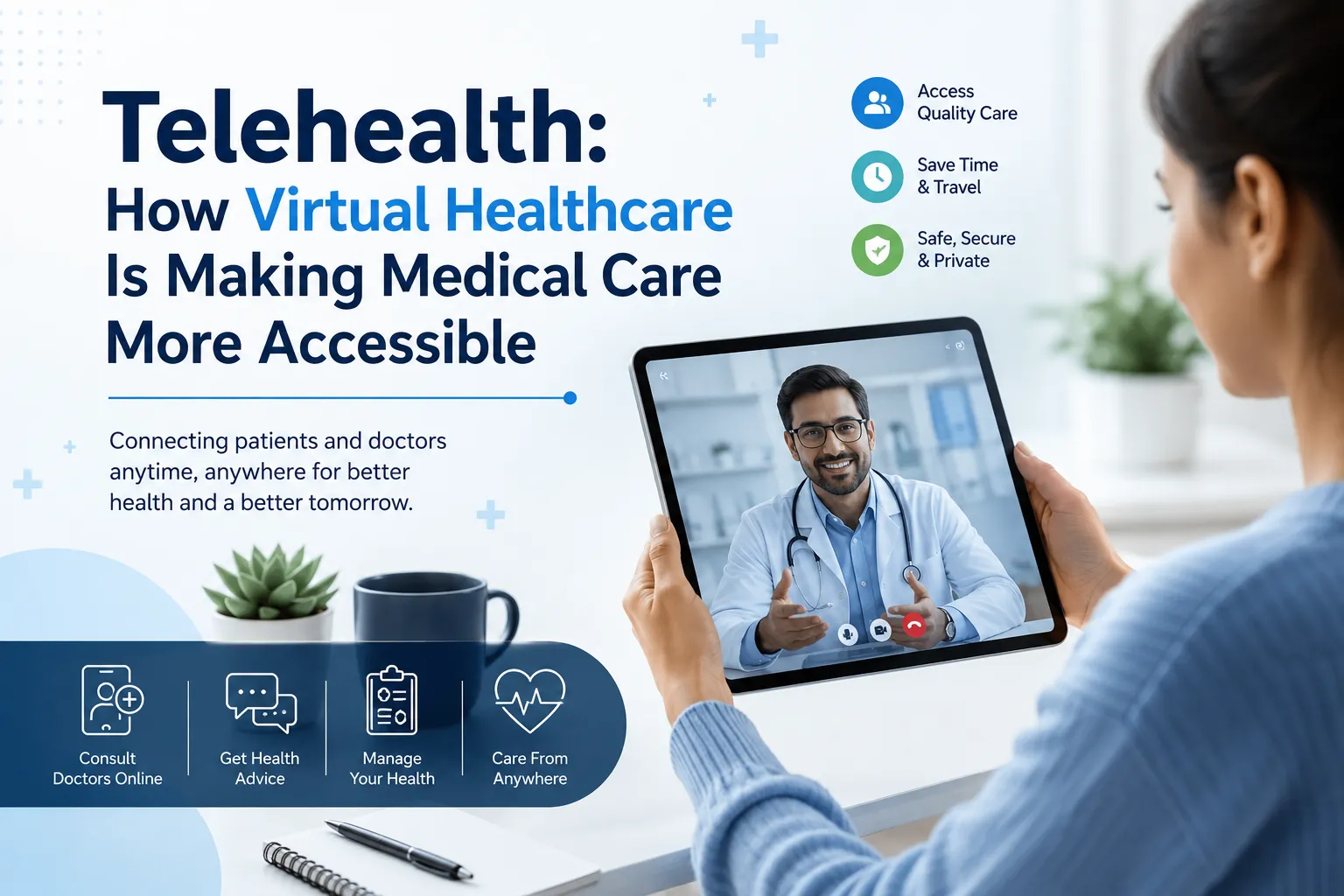
Healthcare is changing rapidly as technology becomes a bigger part of everyday life. One of the most useful developments is telehealth, which allows patients to connect with healthcare professionals without always needing to visit a physical clinic.
Telehealth can include video consultations, phone calls, secure messaging, and remote monitoring. It can make healthcare more convenient for people who have busy schedules, mobility challenges, or limited access to nearby healthcare providers.
What Is Telehealth?
Telehealth is the use of digital communication technology to connect patients with healthcare providers remotely. Depending on the provider and the patient's needs, a virtual appointment may happen through video, telephone, messaging, or other digital tools.
For example, a patient may use a smartphone or computer to discuss symptoms with a healthcare professional, review test results, discuss medications, or receive follow-up care.
Telehealth does not replace every type of in-person medical care. Some conditions require a physical examination, diagnostic testing, or emergency treatment. However, virtual healthcare can be useful for many routine and follow-up situations.
Why Is Telehealth Becoming Popular?
One major advantage of telehealth is convenience. Patients may be able to communicate with a healthcare provider from home instead of spending time traveling to a clinic.
This can be especially helpful for people who live far from healthcare facilities or need to coordinate appointments around work and family responsibilities. Telehealth can also expand access to specialists who may not be located nearby.
Another benefit is that some healthcare interactions can happen more quickly. Depending on availability, patients may be able to arrange a virtual consultation without waiting for a traditional office appointment.
Common Uses of Telehealth
Telehealth can support many different healthcare needs. Examples include:
- Routine consultations
- Follow-up appointments
- Medication management
- Mental and behavioral healthcare
- Chronic condition management
- Reviewing laboratory or imaging results
- Nutritional care
- Remote patient monitoring
- Some minor illnesses and common health concerns
Healthcare providers can also use remote monitoring technology to collect information such as blood pressure, blood glucose, weight, and other health measurements.
How Does a Telehealth Appointment Work?
A typical telehealth appointment can be relatively simple.First, the patient schedules an appointment with a healthcare provider that offers virtual care. The provider may send instructions or a secure link for the appointment.
At the scheduled time, the patient uses a smartphone, tablet, or computer to connect with the provider. A stable internet connection and a device with the necessary audio or video capabilities may be required.
During the appointment, the patient can explain their concerns and discuss relevant health information with the provider. Depending on the situation, the provider may recommend treatment, follow-up care, testing, or an in-person visit.
Choosing a Telehealth Platform
As more people become comfortable with digital healthcare, choosing a reliable platform is important. Patients should consider factors such as ease of use, privacy, provider availability, accessibility, and the types of healthcare services offered.
Platforms such as MedEasy.ai are part of the growing digital healthcare ecosystem, helping make healthcare interactions more accessible through technology.
Before using any online healthcare service, patients should understand what services are available and when an in-person medical evaluation may be more appropriate.
The Future of Virtual Healthcare
Telehealth is likely to remain an important part of modern healthcare. Improvements in smartphones, internet connectivity, wearable devices, and remote monitoring technologies are creating more opportunities for patients and providers to communicate digitally.
Telehealth can also help extend healthcare access to people who may have difficulty traveling or who live far from certain specialists. At the same time, healthcare providers need to ensure that virtual care is appropriate for each patient's situation and that privacy and security are properly considered.
Final Thoughts
Telehealth is changing how people connect with healthcare professionals. From routine follow-ups to chronic condition management and remote monitoring, virtual healthcare can offer greater convenience and accessibility.
While telehealth cannot replace every in-person medical service, it can be a valuable part of a modern healthcare system. As technology continues to improve, digital healthcare platforms may make it easier for patients to access appropriate care when and where they need it.