Sydney Homeowners Guide to Slimline Metal Rainwater Tanks Save Space and Water
By zoehsewell
24 Views
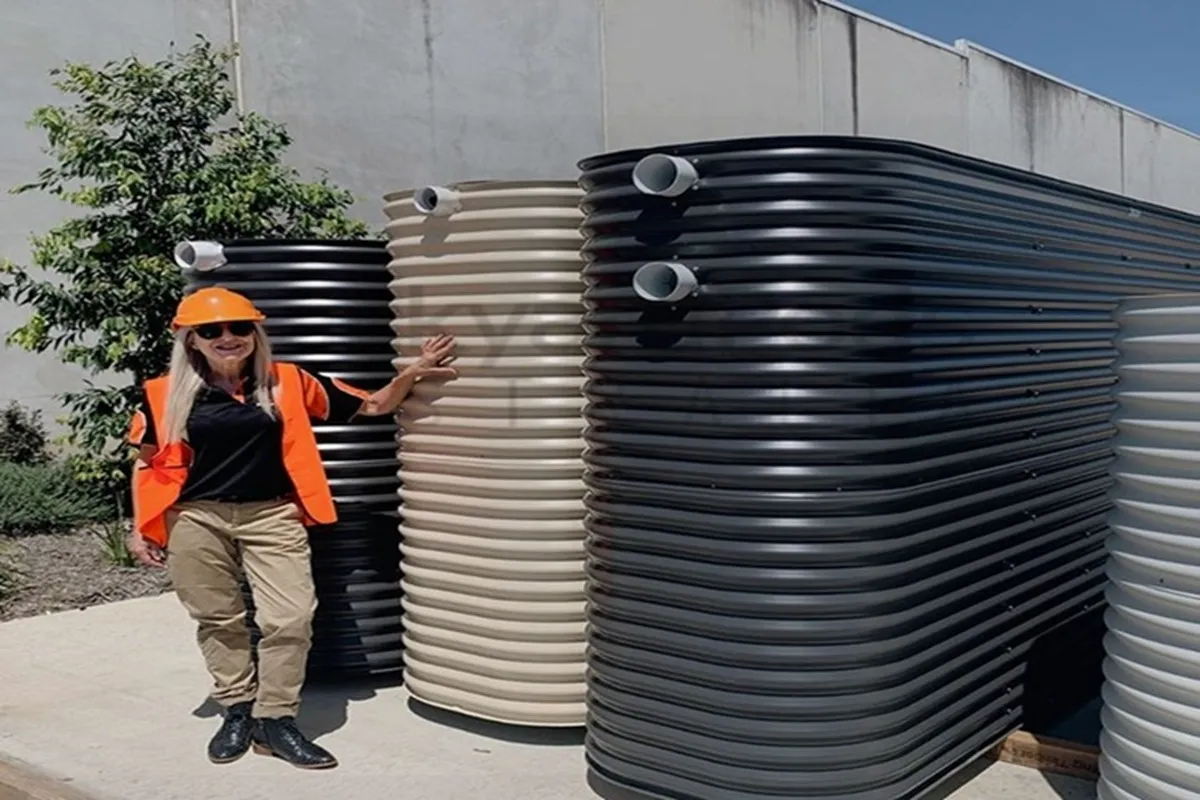
Want rainwater but no garden room? Then Slimline metal rainwater tanks Fit most Sydney homes perfectly. I walk you through sizing, picking the right material for our climate, the install steps, and the paperwork that keeps the council happy. Check out real examples from inner‑west and coastal suburbs, and get quick tips on sensors and warranty claims, sound good?
Slimline Metal Rainwater Tanks Space‑Saving Benefits
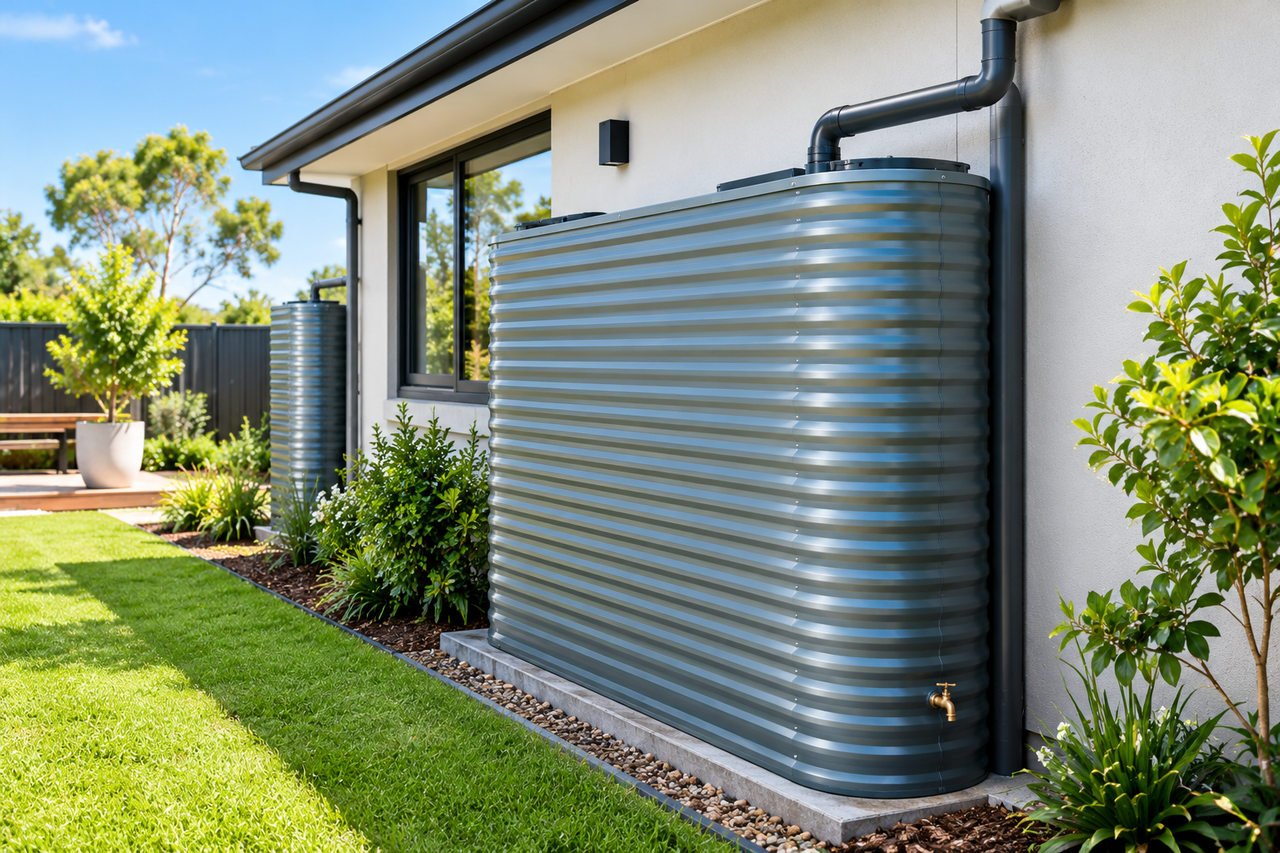
Standard round tanks can swallow a whole backyard, especially on narrow plots, even on a tight lot. A slimline design halves the width but holds the same amount, letting you slip it against a fence or under a pergola. Ever seen a 3,000 L unit squeezed between a brick wall and a garden bed in Glebe? It doesn’t block foot traffic. And the galvanised steel walls are tough enough to shrug off garden‑tool dents, a real win for DIYers everywhere.
- Footprint reduction up to 45 %
- Compatible with narrow garden beds
- Strong enough for occasional impact
From my own experience, the slimmer shape puts the inlet nearer the tank’s centre, so water gets to the pump faster. That overall cuts suction loss and trims the pump’s energy draw. Got a really tight backyard? The slimline option often beats the need for an expensive underground tank.
- Reduced suction loss
- Lower pump energy consumption
- Eliminates need for underground excavation
Choosing Slimline Metal Rainwater Tanks for Sydney Climate
Australia’s weather swings a lot, so you’ve got to pick a tank that can handle the local vibe. And Bondi’s salty breezes make stainless‑steel 316 hold up better, the extra cost pays off. Penrith, farther inland, does fine with galvanised steel wrapped in Colourbond, which blocks UV and rust. Want a longer‑lasting tank? The right grade can push its life out another 20‑30 years, per the AZ/NZ 4766 standard.
- Coastal: 316 stainless steel
- Inland: Galvanised steel with Colourbond
- All grades meet ISO 9001 quality management
Homeowners often skip the temperature‑swing issue. Metal expands and contracts when it heats up, so a tank with a flexible base and solid anchoring dodges stress cracks. And for a 4,000 L slimline metal rainwater tanks, a 150 mm‑thick concrete slab does the trick in most Sydney suburbs.
- Thermal expansion allowance
- Concrete slab foundation 150 mm thick
- Flexible base to absorb movement
Understanding Dimensions and Capacity
Most manufacturers list slimline metal rainwater tanks from 2,000 L up to 5,000 L. And the width? Usually 800 mm to 1,200 mm, while length can hit 3,000 mm on big models. A 2,500 L unit might be 1,000 mm × 2,500 mm × 1,200 mm (W × L × H). So you can slot it onto a garden plan without guessing. Got a spot in mind?
- 2,000 L, 800 mm × 2,000 mm × 1,200 mm
- 3,000 L, 1,000 mm × 2,500 mm × 1,300 mm
- 5,000 L, 1,200 mm × 3,000 mm × 1,400 mm
First, figure the roof’s catchment area and multiply by the average yearly rain. For a 120 m² roof in Marrickville getting about 1,200 mm annually, you’ll pull in roughly 144 m³ (144,000 L) before any loss. And a 3,000 L slimline metal rainwater tanks would hold about 2 % of that, enough for garden watering or toilet flushing when it’s dry.
- Catchment area × rainfall = potential volume
- Typical storage target: 2‑5 % of total catchment
- Adjust size based on household demand
Installation Essentials for Sydney Homes
Check the council’s development rules before you start digging. And in most LGAs you must keep the tank at least 1 m back from the fence for fire‑access. But if the tank tops 2,000 L you’ll need a written go‑ahead. The paperwork’s just a short form and a site plan that marks the tank’s footprint.
- Setback: at least 1 m from property line
- Approval needed for tanks >2,000 L
- Submit site plan with tank layout
Most homes do fine with a compacted sand pad topped by a concrete ring around the edge. A 4,000 L tank needs a 300 mm‑wide ring, 150 mm deep, to keep it rooted against gusts. And if you live in a breezy suburb such as Mosman, bolt steel brackets to the base for extra peace of mind.
- Sand base compacted to 95 % density
- Concrete ring 300 mm wide, 150 mm deep
- Steel brackets for high‑wind zones
Maintaining Water Quality and Longevity
First‑flush devices? You need them if you’ll water the garden. They dump the first 5‑10 L, rain that’s full of roof grit and bird droppings. And a fine‑mesh screen at the inlet catches the bigger stuff. Test pH and turbidity regularly; that way the water stays generally plant‑safe, and if you filter it, it can even be drinkable. Got it?
- First‑flush diverting 5‑10 L per rain event
- Fine mesh screen at inlet
- Quarterly pH and turbidity testing
Clean inside once a year, it stops algae. And use a low‑pressure hose with a biodegradable cleaner; skip harsh chemicals that can eat the metal coating. Got a coastal tank? A yearly fresh‑water rinse washes away salt that would speed up corrosion.
- Annual interior cleaning with low‑pressure hose
- Biodegradable cleaner only
- Extra rinse for coastal installations
Smart Integration and Accessories
Modern water‑level sensors slip right inside the tank and pair with a smartphone app. The app pings you when the tank hits 80 % capacity, so you can fire up the pump before it spills over. And rain‑sensor controllers can shut the down‑pipe automatically during heavy storms, keeping the sensor safe.
- Level sensor with push notifications
- App‑controlled pump activation
- Rain‑sensor integration for overflow protection
Pick the pump based on how high the tank sits and how far the tap is. A 1 kW submersible pump with a 3‑m head does the job for a 2,500 L slimline metal rainwater tanks feeding a garden hose. And a variable‑speed controller can slash electricity use up to 30 % when demand’s low. Want to save even more?
- 1 kW submersible pump for 2,500 L tank
- Variable‑speed controller for energy savings
- Maximum head: 3 m for typical garden setups
Warranty, Service, and After‑Sale Support
Most Australian manufacturers back their slimline metal rainwater tanks with a 10‑year structural warranty and a 5‑year coating warranty. The claim process usually starts with a written notice, followed by a site inspection by an authorised technician. Keep the original purchase invoice and a photo of the serial number, which is stamped on the tank’s side wall.
- 10‑year structural warranty
- 5‑year coating warranty
- Serial number stamped on side wall
Service agreements are available for annual inspections, which can extend the effective life of the tank by another decade. When the tank reaches its end‑of‑life, most manufacturers offer a recycling program that melts down the steel for new construction, keeping the embodied carbon low.
- Annual inspection service agreements
- Recycling program for end‑of‑life tanks
- Low embodied carbon through steel reuse
Real‑World Case Studies Across NSW
In Newtown’s inner‑west, a 2,500 L slimline metal rainwater tank sat behind a brick fence, freeing 1.2 m² for a raised veg bed. But the owners saw winter mains use drop 40 % thanks to the tank’s size and a smart level sensor that beeped before it ran dry. And can note the slimline metal rainwater tanks fit tight spaces perfectly.
- Location: Newtown, inner‑west Sydney
- Tank size: 2,500 L
- Water savings: 40 % reduction in winter
On the northern beaches a 4,000 L slimline metal rainwater tanks made of 316 stainless steel has braved salty breezes for five years, no rust at all. And the owners tossed in a UV‑protected first‑flush and a solar‑powered pump, so the garden runs off‑grid. Curious how it holds up?
- Location: Northern beaches, coastal suburb
- Material: 316 stainless steel
- Solar‑powered pump for off‑grid operation
Conclusion
Summing up, slimline metal rainwater tanks give Sydney homeowners a practical way to collect and store rainwater without sacrificing precious garden space. From choosing the right steel grade for your neighbourhood’s climate to navigating council permits, installing a solid foundation. And keeping the water clean, the process is straightforward when you follow the steps outlined here. Pair the tank with smart sensors and a reliable pump, and you’ll see real savings on your water bill while doing your bit for the environment. Remember to check the warranty details and schedule regular maintenance to protect your investment for decades to come.
Related Reading
Expert Insights: Navigating the Complex World of Home Improvement
Welcome to our in-depth exploration of Home Improvement. In an era defined by ra...
Why Home Improvement is Transforming the Global Industry Landscape
Welcome to our in-depth exploration of Home Improvement. In an era defined by ra...