Swimming Pool Weekly Service vs. Bi-Weekly: Which Schedule Is Right for You?
By Leo Smith
38 Views
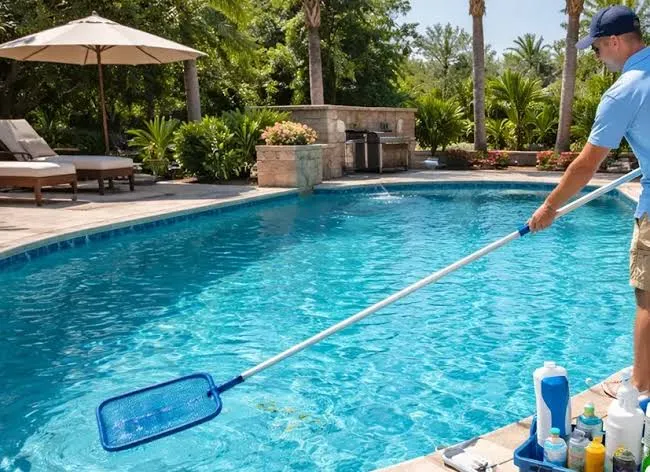
Owning a swimming pool brings plenty of opportunities for relaxation, exercise, and outdoor entertainment, but maintaining it properly requires a dependable routine. One of the most important decisions homeowners face is choosing between weekly and bi-weekly professional maintenance. While both schedules can provide valuable cleaning and water-care support, they are not equally suitable for every property. A swimming pool weekly service schedule offers more frequent monitoring, while bi-weekly service may work for pools with lighter use and fewer maintenance demands. Understanding the differences can help homeowners select a schedule that fits their pool, lifestyle, and budget.
Why Pool Cleaning Frequency Matters
Pool water can change considerably between maintenance visits because of weather, swimmer activity, debris, evaporation, and chemical consumption. Leaves, pollen, dust, insects, and organic material can accumulate quickly, particularly during windy or rainy periods. Frequent swimming also introduces sunscreen, body oils, dirt, and other contaminants into the water. Regular professional cleaning helps address these factors before they develop into larger water-quality concerns. The right maintenance schedule should therefore reflect how quickly conditions change at a particular property.
A pool that looks clean from the surface may still need professional attention underneath. Water chemistry, filtration, circulation, and pool surfaces all influence overall water quality. A homeowner may not notice a gradual change in pH, sanitizer levels, filter pressure, or circulation until the water becomes cloudy or algae begins to appear. More frequent service creates additional opportunities to identify these changes. This proactive approach can be particularly valuable for pools that receive regular use or are exposed to significant outdoor debris.
Advantages of Swimming Pool Weekly Service
For many active residential pools, swimming pool weekly service provides a practical balance between maintenance frequency and convenience. Weekly visits allow technicians to routinely skim debris, brush surfaces, vacuum the pool, clean baskets, and monitor water chemistry. Regular attention also provides opportunities to observe the condition of filters, pumps, and circulation components. Instead of allowing problems to develop for several weeks, homeowners have a professional checking the pool at shorter intervals. This consistency can help keep routine maintenance manageable throughout the swimming season.
Weekly service can be especially useful during hot weather and periods of heavy pool use. Higher temperatures can affect evaporation and water chemistry, while frequent swimming increases the amount of contaminants introduced into the water. Storms and strong winds can create additional debris that places more demand on the filtration system. A weekly technician can respond to changing conditions before they have a chance to significantly affect water clarity. For homeowners who want predictable maintenance with minimal personal involvement, weekly service is often the more convenient option.
When Bi-Weekly Pool Service May Be Appropriate
Bi-weekly maintenance can be suitable for certain pools, particularly those with relatively light use and limited exposure to debris. A pool that is rarely used, located away from mature trees, and supported by reliable equipment may not accumulate contaminants as quickly as a heavily used family pool. Homeowners who are comfortable performing basic maintenance between professional visits may also find a two-week schedule practical. However, the pool still needs attention between appointments. Regularly checking water conditions and removing visible debris can help support the professional maintenance routine.
Bi-weekly service may also be considered during periods when swimming activity decreases. Cooler months can reduce swimmer-related contaminants and may change the overall maintenance requirements of a pool. However, reduced use does not mean that water chemistry and filtration can be ignored. Leaves, rain, dust, and other environmental factors can continue affecting the pool even when nobody is swimming. Homeowners should evaluate actual conditions rather than automatically switching to less frequent service based only on the season.
Pool Usage and Landscaping Should Influence Your Choice
The number of people using a pool is one of the clearest factors to consider when deciding between weekly and bi-weekly maintenance. A household that swims several times a week will generally introduce more contaminants than a property where the pool is used occasionally. Parties, gatherings, and extended periods of heavy swimming can further increase the need for cleaning and chemical monitoring. Pools used frequently may benefit from more consistent professional attention. Homeowners should discuss their normal swimming habits with a technician when establishing a maintenance plan.
The surrounding landscape can be just as important as pool usage. Properties with large trees, gardens, open lawns, or windy exposure may experience significantly more debris entering the water. Leaves and organic material can collect on the surface, settle on the floor, and eventually place additional demand on filtration. A pool in a relatively sheltered backyard may have fewer debris-related maintenance requirements. Evaluating both the pool itself and its surroundings provides a more accurate basis for choosing a service schedule.
The Role of Water Chemistry and Filtration
Water chemistry should be monitored regardless of whether professional service occurs weekly or bi-weekly. Sanitizer levels, pH, alkalinity, and other water characteristics can change because of weather, evaporation, rainfall, and swimmer activity. A professional technician can test the water and determine whether adjustments are appropriate based on current conditions and the pool system. Consistent testing helps prevent homeowners from relying solely on appearance to judge water quality. Clear water can still have chemical conditions that require correction.
Filtration is equally important because the filter removes suspended particles as water circulates through the system. A dirty or restricted filter can reduce circulation and make it more difficult to maintain clear water. The appropriate filter-cleaning frequency depends on the type of system, pool usage, debris load, and manufacturer recommendations. Routine service provides an opportunity to monitor filter performance and identify unusual pressure or flow changes. Homeowners should ask whether filter maintenance is included in their selected service plan or provided as an additional service.
Why Swimming Pool Tile Cleaning Service May Be Needed
Pool tiles can gradually collect calcium deposits, mineral scale, dirt, and other buildup even when the water itself appears clear. Standard weekly or bi-weekly maintenance may help keep surfaces clean, but stubborn deposits sometimes require specialized attention. A professional swimming pool tile cleaning service can focus specifically on tile surfaces and use an appropriate cleaning method for the material and condition. Specialized cleaning can help restore the appearance of affected areas without relying on unsuitable household products. Homeowners should ask a qualified professional which method is appropriate for their particular tile.
Tile maintenance is not simply an aesthetic concern. Heavy buildup around the waterline can become increasingly difficult to remove if it is allowed to accumulate over long periods. Regular observation during routine pool service can help identify developing scale before it becomes extensive. Depending on the pool's water chemistry and environmental conditions, tile maintenance may be needed periodically rather than during every cleaning visit. Keeping water chemistry properly balanced can also help reduce conditions that contribute to certain types of mineral buildup.
Comparing Weekly and Bi-Weekly Service Costs
Cost is naturally an important consideration when selecting a maintenance schedule, but homeowners should compare the value of each option rather than looking only at the number of visits. Weekly service generally involves more frequent professional attention and therefore may have a higher recurring cost. However, those additional visits can provide more opportunities for cleaning, testing, and identifying developing problems. Bi-weekly service may reduce routine expenses, but homeowners take on greater responsibility between professional visits. The most economical choice depends on the pool's actual maintenance demands.
Homeowners should also consider potential costs associated with neglected maintenance. A pool that develops algae, severe cloudiness, heavy debris accumulation, or equipment problems may require additional corrective work. This does not mean weekly service prevents every problem, but consistent maintenance can make it easier to notice changing conditions sooner. When comparing plans, ask what is included, what costs extra, and how emergency or corrective cleaning is handled. A transparent provider should explain the difference between routine maintenance and specialized services before work begins.
How to Decide Which Schedule Is Right for You
Choosing between weekly and bi-weekly maintenance should begin with an honest assessment of your pool's usage, surroundings, equipment, and your willingness to perform maintenance between professional visits. Weekly service is generally more suitable for frequently used pools, properties with substantial debris, and homeowners who prefer a hands-off approach. Bi-weekly service can be reasonable for lighter-use pools when homeowners are prepared to monitor conditions between visits. Neither schedule is automatically correct for every property. A customized recommendation is more useful than applying the same schedule to every pool.
It is also possible for maintenance needs to change throughout the year. A homeowner may choose weekly service during the busy swimming season and reduce professional visits during periods of lower activity, provided the pool continues receiving appropriate care. Severe weather, parties, equipment changes, or unusual water conditions may temporarily increase maintenance needs. Discussing these circumstances with a qualified pool professional can help establish a flexible plan. The goal is consistent water quality and equipment care, not simply following a fixed calendar.
Keep Your Pool in Better Condition With the Right Routine
Both weekly and bi-weekly pool maintenance can play a useful role when the schedule matches the property's needs. Swimming pool weekly service provides frequent cleaning, water monitoring, and equipment observation, making it a strong choice for many active residential pools. Bi-weekly service may work for pools with lighter usage and homeowners who handle basic maintenance between professional visits. Factors such as weather, landscaping, pool usage, filtration, and water chemistry should all be considered. A thoughtful maintenance schedule can make pool ownership easier while supporting cleaner and more inviting water.
Specialized needs should also be considered when evaluating your overall pool-care routine. For example, periodic swimming pool tile cleaning service may be appropriate when mineral deposits or waterline buildup become noticeable. The best approach combines routine maintenance with specialized care when the pool's condition calls for it. By discussing your property's specific requirements with an experienced provider, you can choose a service frequency that supports water clarity, equipment performance, and long-term pool care.
Related Reading
Top 10 Hidden Secrets About Business & Finance You Need to Know
Welcome to our in-depth exploration of Business & Finance. In an era defined...
Why Business & Finance is Transforming the Global Industry Landscape
Welcome to our in-depth exploration of Business & Finance. In an era defined...