Swimming Pool Ladders: Avoid These Costly Mistakes During Replacement
4 Views
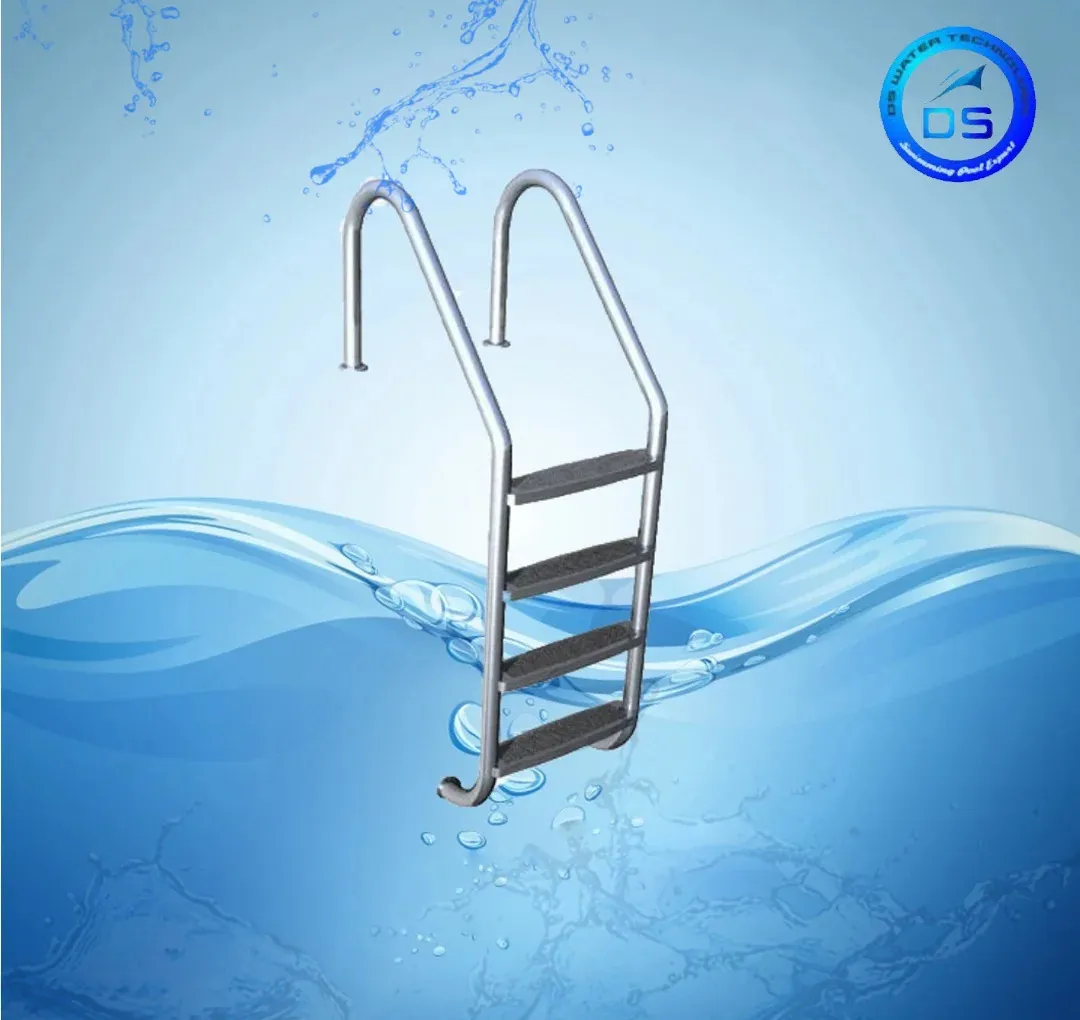
Replacing a swimming pool ladder may seem like a straightforward maintenance task, but choosing the wrong model can create unnecessary installation work and additional expenses. Differences in pool dimensions, mounting points, materials, and ladder designs can affect whether a replacement fits the existing structure. Selecting suitable swimming pool ladders therefore requires more than finding a product that looks similar to the one being removed.
For homeowners, hotels, clubs, and swimming facility managers, a little preparation can make the replacement process easier and help avoid purchasing equipment that does not meet the pool's requirements.
Measure Before You Start Shopping
One of the most common mistakes is estimating dimensions instead of measuring them accurately. A replacement ladder may have a different overall height, step arrangement, or mounting distance, even if it resembles the original model.
Before ordering, record the relevant pool dimensions and inspect the existing installation. Check the distance between mounting points, the height of the pool edge, the available clearance, and the ladder's intended position.
These measurements should be compared with the manufacturer's specifications. If the existing mounting system is damaged or unsuitable, additional installation work may be necessary.
Do Not Ignore the Condition of the Mounting Area
Sometimes the ladder is not the only component that needs attention. Repeated movement, corrosion, or deteriorated fixing components can affect the mounting area over time.
Inspect the surrounding structure before installing a replacement. Loose anchors, damaged surfaces, or unstable fittings should be assessed and repaired appropriately before the new ladder is put into service.
Simply installing another ladder over an existing problem will not resolve the underlying issue. Where the mounting arrangement is unclear or structural repairs are needed, professional assessment is a sensible step.
Choose a Material That Suits the Pool Water
Pool ladders operate in a demanding environment. Moisture, cleaning agents, water-treatment chemicals, and outdoor exposure can affect the condition of their components.
Stainless steel is commonly used for pool ladders, but not every grade performs equally well under every condition. Saltwater pools and environments with higher corrosion risks require particular attention to material suitability.
Buyers should check the manufacturer's recommendations for water conditions, cleaning methods, and routine inspection. It is also important to examine fasteners, steps, and handrails rather than focusing exclusively on the main frame.
Think Beyond the Ladder Itself
A replacement should work with the surrounding pool area. Check whether there is sufficient room for users to approach the ladder, hold the handrails, and climb without encountering nearby obstacles.
The ladder should also suit the pool's depth and intended users. Step spacing, grip, dimensions, and installation stability are practical considerations for residential and commercial facilities alike.
Before use, confirm that the ladder has been installed according to the manufacturer's instructions and relevant safety requirements. Regular inspections can help identify loose components, visible damage, or corrosion before these problems become more serious.
When Is Repair Better Than Replacement?
Not every ageing ladder needs to be discarded immediately. If the issue is limited to a replaceable component, a suitable repair may be possible, provided it is permitted by the manufacturer and restores the equipment to a safe condition.
However, a ladder with significant corrosion, damaged structural parts, unstable supports, or components that cannot be repaired appropriately may need replacement.
Compare the condition of the existing equipment with the cost, compatibility, and expected service life of a suitable replacement. This provides a more practical basis for deciding what to do next.
Finding Suitable Swimming Pool Ladders at DS Water Technology
DS Water Technology supplies swimming pool products for residential and commercial applications, including swimming pool ladders and other equipment used in swimming pool projects.
When evaluating a replacement, buyers should confirm the required dimensions, mounting arrangements, material specifications, and intended application. Providing accurate measurements and details about the existing pool can help narrow down suitable options before purchasing.
A Better Replacement Starts With Better Preparation
Replacing a pool ladder successfully depends on identifying the actual requirement before ordering equipment. Accurate measurements, a sound mounting area, suitable materials, and proper installation all contribute to a more reliable result. By checking these details in advance, pool owners can reduce avoidable installation problems and make more informed purchasing decisions. A carefully selected ladder should fit the pool's design and provide practical access throughout its intended service life.