How Supplier Quality Services Help Manufacturers Improve Production Performance and Reduce Defects
By Harley Quin
141 Views
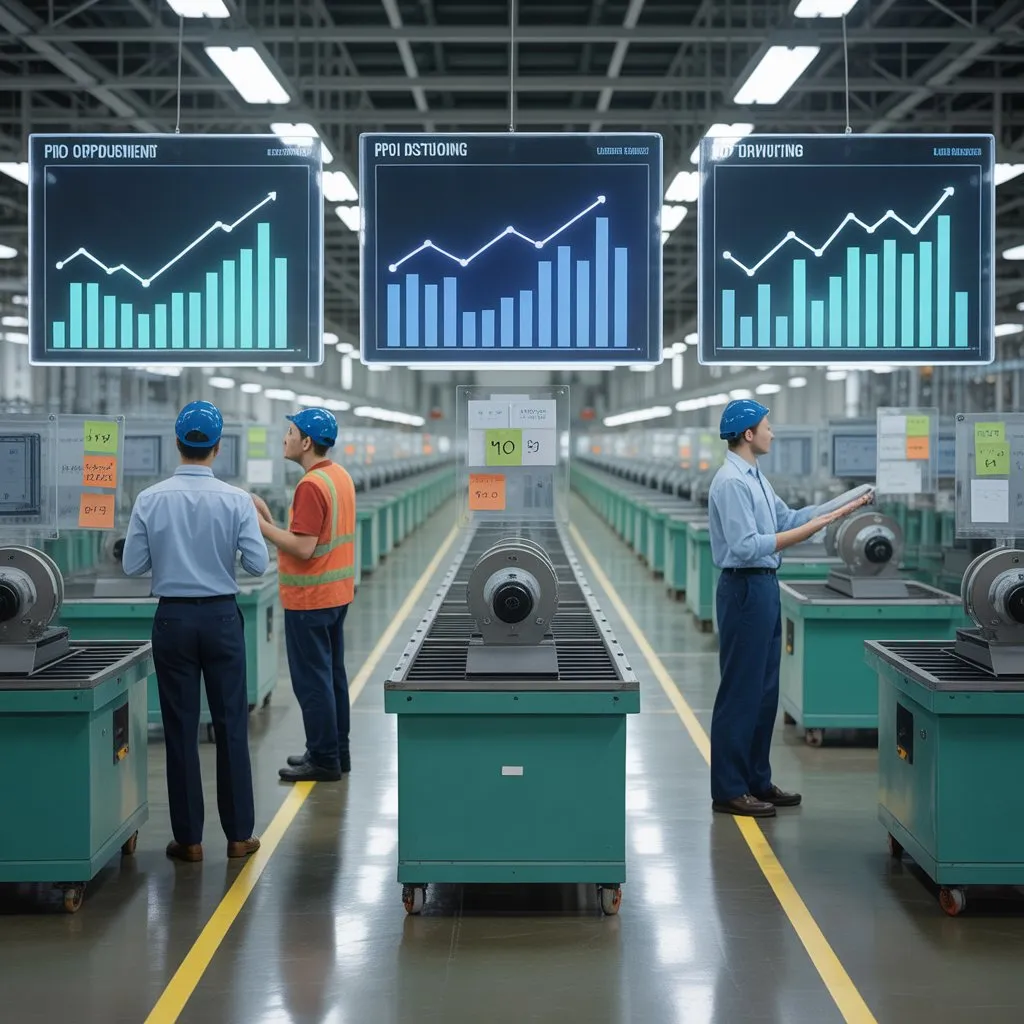
Manufacturing success depends heavily on one core factor: consistent product quality. Even the most advanced production systems can fail if supplier materials are inconsistent or if quality issues go undetected during manufacturing. That is why many companies now rely on Supplier Quality Services to strengthen their operations.
These services help manufacturers monitor supplier performance, improve production quality, reduce defects, and ensure long-term stability across the supply chain. Instead of reacting to quality problems after they occur, businesses can proactively identify risks, correct issues early, and maintain reliable production standards.
In highly competitive industries such as automotive, aerospace, electronics, and industrial manufacturing, supplier quality is not optional—it is essential for survival and growth.
This article explains how supplier quality services improve production performance, reduce defects, and support stronger manufacturing outcomes.
What Are Supplier Quality Services?
Supplier Quality Services refer to professional systems, tools, and processes used to evaluate, monitor, and improve supplier performance within a manufacturing supply chain.
These services focus on ensuring that suppliers consistently meet required standards for:
- Product quality
- Process control
- Regulatory compliance
- Delivery performance
- Manufacturing consistency
They often include a combination of:
- Supplier audits
- Quality inspections
- Supplier evaluation programs
- Corrective action management
- Process improvement initiatives
- Supplier development strategies
In simple terms, supplier quality services help manufacturers ensure that everything coming from their suppliers supports strong production performance and reliable output.
Why Supplier Quality Services Matter in Modern Manufacturing
Today’s manufacturing environment is more complex than ever. Global supply chains involve multiple suppliers, international logistics, and strict customer expectations.
A single weak supplier can affect the entire production system.
Without strong supplier quality management, manufacturers often face:
- Increased defect rates
- Production delays
- Rising operational costs
- Customer complaints
- Warranty claims
- Compliance risks
Supplier quality services reduce these risks by building structured systems that improve visibility and control across the supply chain.
How Supplier Quality Services Improve Production Performance
Strengthening Supplier Performance Consistency
One of the most important benefits of supplier quality services is improved supplier consistency.
Manufacturers use these services to evaluate:
- Manufacturing processes
- Quality control systems
- Equipment maintenance
- Workforce training
- Material handling practices
When supplier performance is stable, production becomes more predictable and efficient.
Consistent suppliers help manufacturers:
- Reduce production interruptions
- Maintain steady output
- Improve scheduling accuracy
- Increase operational efficiency
This directly improves overall production performance across the manufacturing system.
Reducing Defects Across the Supply Chain
Defect reduction is one of the primary goals of supplier quality services.
Defects often originate from:
- Poor-quality raw materials
- Inconsistent supplier processes
- Lack of inspection systems
- Improper handling or packaging
- Weak documentation practices
Supplier quality services help identify these issues early through:
- Incoming inspections
- Supplier audits
- Quality checkpoints
- Performance tracking systems
By addressing problems at the source, manufacturers significantly reduce defect rates and avoid costly production disruptions.
This leads to stronger manufacturing quality and better customer satisfaction.
Improving Manufacturing Quality Assurance
Supplier quality services play a critical role in strengthening quality assurance systems.
Quality assurance focuses on preventing defects rather than just detecting them after production.
These services support quality assurance by:
- Standardizing supplier requirements
- Enforcing inspection protocols
- Monitoring compliance with industry standards
- Tracking corrective actions
- Ensuring process consistency
When suppliers operate under strict quality assurance frameworks, manufacturers gain greater confidence in production reliability.
This is especially important in regulated industries such as automotive (IATF 16949), aerospace (AS9100), and medical devices (ISO 13485).
Enhancing Supplier Performance Visibility
Many manufacturers struggle with limited visibility into supplier operations.
Without clear data, it becomes difficult to identify risks or track performance trends.
Supplier quality services solve this problem by providing:
- Supplier scorecards
- Performance dashboards
- Audit reports
- Quality metrics
- Risk assessments
These tools allow manufacturers to continuously monitor supplier behavior and make informed decisions.
Improved visibility leads to faster problem-solving and better supply chain control.
Key Components of Supplier Quality Services
Supplier Audits and Evaluations
Supplier audits are one of the most important elements of supplier quality services.
They help manufacturers assess whether suppliers meet required standards in areas such as:
- Process control
- Documentation systems
- Employee training
- Equipment maintenance
- Compliance requirements
Audits also help identify improvement opportunities before they impact production.
Incoming Material Quality Inspections
Incoming inspections ensure that materials meet specifications before entering production.
This step helps manufacturers:
- Prevent defective materials from affecting production lines
- Reduce scrap and rework
- Maintain consistent output quality
- Improve operational efficiency
Incoming inspections are a key part of defect prevention strategies.
Corrective Action Management
When quality issues occur, suppliers must identify root causes and implement corrective actions.
Supplier quality services support this process by:
- Identifying the issue
- Performing root cause analysis
- Implementing corrective actions
- Verifying effectiveness
- Monitoring results
This structured approach ensures problems do not repeat.
Supplier Development Programs
Not all suppliers start with strong quality systems.
Supplier development helps improve supplier capabilities through:
- Training programs
- Process optimization
- Lean manufacturing techniques
- Quality system improvements
- Technical support
This long-term approach strengthens supplier performance and supports continuous improvement.
Supplier Performance Monitoring
Supplier quality services rely heavily on data-driven monitoring systems.
Key performance indicators often include:
- Defect rates
- Delivery performance
- Audit results
- Response time to issues
- Production consistency
Tracking performance helps manufacturers identify risks early and maintain stable operations.
How Supplier Quality Services Support Defect Reduction
Identifying Problems at the Source
Most defects originate from supplier-level issues.
Supplier quality services focus on identifying these problems before materials enter production.
This includes:
- Material testing
- Supplier audits
- Process evaluations
- Inspection systems
Early detection prevents defects from spreading through production.
Preventing Recurring Quality Issues
Without structured systems, many manufacturing problems repeat over time.
Supplier quality services use corrective action systems to eliminate root causes rather than temporary fixes.
This reduces:
- Rework
- Scrap
- Production delays
- Customer complaints
Over time, defect trends significantly decline.
Improving Process Optimization
Strong supplier quality systems contribute to better process optimization.
Manufacturers use data from supplier evaluations to:
- Improve workflow efficiency
- Reduce variation in production
- Optimize inspection methods
- Strengthen supplier processes
Better processes lead to higher-quality output and lower operational costs.
Supplier Quality Services and Operational Excellence
Operational excellence refers to the ability to produce high-quality products efficiently and consistently.
Supplier quality services support this by improving:
- Production performance
- Supplier reliability
- Quality consistency
- Cost efficiency
- Supply chain stability
When suppliers perform well, manufacturers can focus on scaling operations rather than constantly solving quality issues.
This creates a strong foundation for long-term business growth.
Challenges Without Supplier Quality Services
Manufacturers that do not invest in supplier quality systems often face serious operational challenges.
Unstable Production Performance
Without supplier control, production becomes unpredictable and inefficient.
Higher Defect Rates
Poor supplier oversight leads to inconsistent materials and increased defects.
Increased Operational Costs
Defects, rework, and delays increase manufacturing expenses significantly.
Weak Supplier Accountability
Without structured systems, suppliers may not consistently meet expectations.
Reduced Customer Satisfaction
Poor product quality directly impacts customer trust and brand reputation.
Best Practices for Implementing Supplier Quality Services
Define Clear Supplier Standards
Manufacturers should establish clear expectations for:
- Quality requirements
- Delivery timelines
- Compliance standards
- Process controls
Clear standards improve accountability.
Use Data-Driven Decision Making
Supplier performance should be measured using real data, not assumptions.
Key metrics help identify trends and risks early.
Strengthen Supplier Communication
Strong communication improves collaboration and reduces misunderstandings.
Regular feedback sessions help suppliers improve faster.
Focus on Continuous Improvement
Supplier quality management should evolve over time.
Continuous improvement leads to:
- Better quality systems
- Reduced defects
- Improved efficiency
- Stronger supplier relationships
The Long-Term Benefits of Supplier Quality Services
Manufacturers that invest in supplier quality services experience significant long-term advantages.
Higher Production Performance
Stable suppliers lead to consistent and efficient production output.
Reduced Defect Rates
Strong quality systems minimize errors across the supply chain.
Improved Operational Efficiency
Better processes reduce waste and improve productivity.
Stronger Supplier Relationships
Collaboration builds trust and long-term performance improvement.
Enhanced Competitive Advantage
High-quality manufacturing increases customer trust and market competitiveness.
FAQs About Supplier Quality Services
What are Supplier Quality Services?
They are structured systems used to evaluate and improve supplier performance, ensuring consistent quality in manufacturing operations.
How do Supplier Quality Services improve production performance?
They improve supplier consistency, reduce defects, and enhance manufacturing quality assurance, leading to more stable production systems.
What industries use supplier quality services?
Industries such as automotive, aerospace, electronics, medical devices, and industrial manufacturing rely heavily on these services.
How do supplier quality services reduce defects?
They identify issues early, enforce corrective actions, and improve supplier processes to prevent recurring quality problems.
What is the difference between supplier quality management and supplier quality services?
Supplier quality management is the overall strategy, while supplier quality services are the tools and processes used to implement that strategy.
Conclusion
Supplier Quality Services are essential for manufacturers seeking to improve production performance, reduce defects, and strengthen overall manufacturing quality. By focusing on supplier performance, process control, and continuous improvement, these services help organizations build more reliable and efficient supply chains.
In today’s competitive manufacturing environment, success depends on consistency and quality. Companies that invest in structured supplier quality systems gain stronger operational control, improved efficiency, and long-term business stability.
Ultimately, supplier quality services are not just a support function—they are a core driver of operational excellence and manufacturing success.
Related Reading
Top 10 Hidden Secrets About Business & Finance You Need to Know
Welcome to our in-depth exploration of Business & Finance. In an era defined...
Why Business & Finance is Transforming the Global Industry Landscape
Welcome to our in-depth exploration of Business & Finance. In an era defined...