Sulfur: A Fundamental Chemical Element Found in Nature and Life
By pvcboard1
78 Views
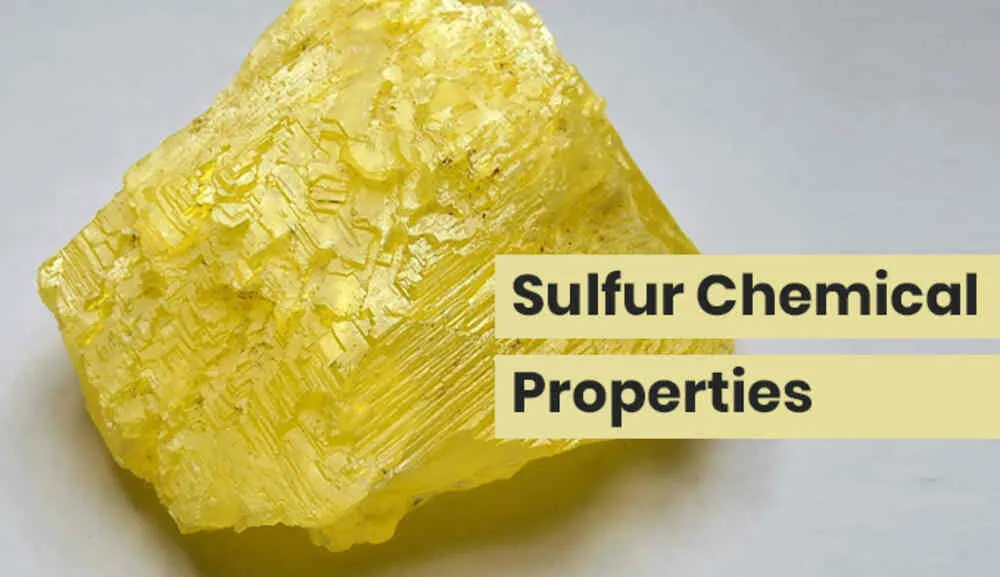
Sulfur is one of the most important chemical elements on Earth. Although it is often associated with volcanic activity and its distinctive odor, sulfur plays a much greater role than many people realize. It is a naturally occurring mineral and an essential element that supports life, agriculture, and numerous industrial processes. From proteins in living organisms to fertilizers and manufacturing applications, sulfur is truly a fundamental component of the natural world.
What Is Sulfur?
Sulfur is a non-metallic chemical element with the symbol S and atomic number 16. It belongs to the oxygen group of elements, also known as the chalcogens. In its pure form, sulfur appears as a bright yellow crystalline solid and is commonly found in volcanic regions, sedimentary rocks, and underground deposits.
Unlike many minerals that require extensive extraction processes, sulfur can occur naturally in elemental form. Because of this, it is classified as a native mineral, meaning it can exist independently without combining with other elements.
Sulfur has been known to humans for thousands of years. Ancient civilizations used it for medicinal purposes, religious rituals, and the production of black gunpowder. Today, sulfur remains one of the most widely utilized chemical elements in the world.
Natural Occurrence of Sulfur
Sulfur is abundant in nature and can be found in several forms. Large deposits exist around volcanic areas where sulfur gases condense and crystallize. It is also present in minerals such as gypsum, pyrite, and sulfates.
In addition, sulfur occurs naturally in:
- Crude oil and natural gas
- Coal deposits
- Ocean water
- Soil and rocks
- Hot springs and geothermal regions
Because sulfur is constantly recycled through natural processes, it participates in what scientists call the sulfur cycle. Similar to the carbon and nitrogen cycles, sulfur moves through the atmosphere, water, soil, and living organisms, ensuring its continued availability for biological systems.
Why Sulfur Is Essential to Life
Sulfur is a vital element for all living organisms. It is a key component of certain amino acids, including methionine and cysteine, which are necessary for building proteins. Since proteins are the foundation of cells and tissues, sulfur indirectly supports growth, repair, and metabolism.
Sulfur also contributes to:
- Enzyme production
- Hormone synthesis
- Cellular function
- DNA and RNA stability
- Antioxidant activity
In humans and animals, sulfur-containing compounds help maintain healthy skin, hair, nails, and connective tissues. The element is also involved in detoxification processes and immune system support.
Without sulfur, life as we know it would not be possible.
Sulfur and Plant Growth
Plants require sulfur as one of their essential nutrients. Along with nitrogen, phosphorus, and potassium, sulfur helps ensure healthy growth and crop productivity.
Sulfur contributes to:
Protein Formation
Plants use sulfur to produce amino acids and proteins necessary for development.
Chlorophyll Production
Although sulfur is not a direct component of chlorophyll, it supports the formation of chlorophyll molecules, enabling efficient photosynthesis.
Improved Crop Quality
Adequate sulfur levels can enhance:
- Seed development
- Oil content in crops
- Flavor and aroma in vegetables
- Overall yield and quality
Sulfur deficiency can lead to pale leaves, stunted growth, and reduced agricultural productivity. As a result, sulfur-based fertilizers are commonly used worldwide to maintain soil fertility.
Industrial Importance of Sulfur
Beyond its biological significance, sulfur is one of the most valuable industrial raw materials. Millions of tons are produced annually to support various sectors.
Sulfuric Acid Production
Approximately half of the sulfur produced globally is used to manufacture sulfuric acid, one of the most important chemicals in industry. Sulfuric acid is essential for:
- Fertilizer manufacturing
- Petroleum refining
- Metal processing
- Chemical synthesis
- Battery production
- Rubber Vulcanization
Sulfur is widely used in the vulcanization process, which improves the elasticity, strength, and durability of rubber products such as tires and industrial components.
Agricultural Applications
Sulfur serves as:
- Soil conditioner
- Fungicide
- Insect control agent
- Fertilizer ingredient
Its role in sustainable agriculture makes sulfur indispensable for global food production.
Chemical Manufacturing
Various sulfur compounds are used in the production of:
- Detergents
- Pharmaceuticals
- Dyes
- Paper products
- Plastics
- Water treatment chemicals
These applications demonstrate sulfur's versatility and economic importance.
Sulfur in Energy and Environmental Protection
Modern industries also rely on sulfur in environmental technologies. Sulfur compounds are utilized in processes that reduce pollution and improve energy efficiency.
For example, sulfur-based chemicals help remove impurities from fuels and assist in wastewater treatment systems. Advances in battery technology have also increased interest in sulfur-based materials for future energy storage solutions.
Researchers are exploring lithium-sulfur batteries, which have the potential to provide higher energy density than conventional lithium-ion batteries. Such innovations may contribute to cleaner and more sustainable energy systems.
Forms of Commercial Sulfur
Sulfur is available in several forms to suit different applications, including:
Sulfur Powder
Finely ground sulfur used in agriculture, chemical manufacturing, and industrial processes.
Granular Sulfur
Commonly applied in fertilizers and soil treatment.
Sulfur Lumps
Used as raw material for further processing and chemical production.
Wettable Sulfur
Specially formulated for use as a fungicide in crop protection.
Each form offers advantages depending on the intended application and industry requirements.
Future Demand for Sulfur
As the global population continues to grow, the demand for food, energy, and industrial products is expected to increase. Consequently, sulfur consumption is likely to rise due to its critical role in fertilizer production and manufacturing.
Growing awareness of sustainable agriculture and environmental management is also driving interest in sulfur-based products. Emerging technologies and energy storage systems may create even more opportunities for sulfur utilization in the coming decades.
Conclusion
Sulfur is far more than a yellow mineral associated with volcanoes. It is a fundamental chemical element that exists naturally and supports virtually every aspect of life and modern industry. From protein synthesis in living organisms to fertilizer production, rubber manufacturing, and advanced energy technologies, sulfur continues to demonstrate its remarkable versatility.
As a native mineral and an essential element, toko sulfur remains a cornerstone of biological systems and industrial development. Its abundance in nature and wide range of applications ensure that sulfur will continue to play a crucial role in sustaining life and supporting technological progress for generations to come.
Related Reading
Expert Insights: Navigating the Complex World of Education & Learning
Welcome to our in-depth exploration of Education & Learning. In an era defin...
Why Education & Learning is Transforming the Global Industry Landscape
Welcome to our in-depth exploration of Education & Learning. In an era defin...