Suitcase Repair: What to Check When Your Luggage Comes Back Damaged
By dead scary
10 Views
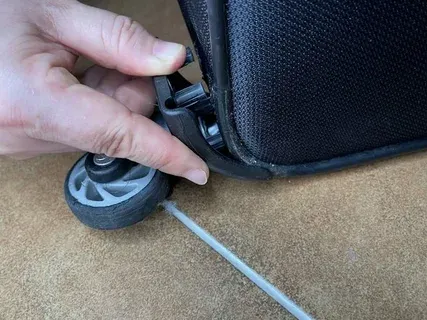
Finding a damaged suitcase after a flight can be frustrating, especially when you need the bag again for another trip. Wheels may stop moving properly, handles can become loose, and the shell or fabric may show signs of impact.
Before throwing the suitcase away, inspect the damage carefully. In many cases, suitcase repair can restore individual components while allowing you to keep using a bag that is otherwise in good condition.
Inspect the Suitcase Before Using It Again
When you notice damage, avoid immediately packing the suitcase for another trip.
Place it on a flat surface and check the entire bag.
Look at:
- Wheels
- Handles
- Zippers
- Corners
- Shell or fabric
- Seams
- Locks
- Internal frame
Damage is not always limited to the area that first catches your attention.
For example, an impact near a wheel may also affect the wheel housing or surrounding frame.
Check the Wheels for Hidden Damage
Wheels can take a significant amount of impact during baggage handling.
Turn the suitcase upside down and inspect each wheel.
Look for cracks, loose fittings, unusual movement, or a wheel that does not rotate freely.
Then pull the suitcase slowly across the floor.
If it pulls to one side or feels unstable, one of the wheels may have been damaged.
Do not ignore a wheel simply because it still moves. A cracked or loose wheel can become harder to use during your next journey.
Test the Handle Carefully
A suitcase handle may look normal while the internal mechanism has been affected.
Extend and retract the handle slowly.
Check whether both sides rise evenly and whether the handle locks securely into position.
If it feels loose or gets stuck, avoid forcing it.
Repeated force can make a small mechanical problem worse.
A professional assessment can determine whether the handle or its supporting mechanism needs attention.
Examine the Zipper and Closing System
Impact can also affect zippers and other closing components.
Move the zipper from one end to the other and check whether it separates behind the slider.
Look for broken teeth, loose stitching, or a slider that has become difficult to move.
If the suitcase does not close properly, do not use it for a trip until the problem has been addressed.
A suitcase that opens unexpectedly can put your belongings at risk.
Look Closely at the Shell
Hard-shell luggage can develop cracks after a strong impact.
Small scratches and surface marks are generally different from structural cracks.
Run your eyes around the corners, edges, and areas close to the handles and wheels.
If a crack extends through the shell or affects the way the suitcase closes, it deserves more attention.
For valuable luggage, avoid attempting to glue or patch structural damage without knowing whether the repair is suitable for the material.
Check Soft Luggage for Tears
Fabric suitcases can suffer from torn material or damaged stitching.
Inspect the seams around handles, pockets, corners, and zipper areas.
A small tear may become larger when the suitcase is packed.
If the fabric is otherwise strong, repairing the damaged area may allow the suitcase to remain useful.
This can be particularly worthwhile when the bag is comfortable, spacious, and already suited to your travel needs.
Do Not Ignore the Lock
A damaged lock can be easy to overlook.
Check whether the lock opens and closes normally.
For a combination lock, make sure the mechanism responds correctly. If it feels stuck, do not use excessive force.
For a key-operated lock, check the key and cylinder carefully.
A lock that does not secure the suitcase properly should be addressed before travelling.
When Professional Repair Is Worth Considering
Not every damaged suitcase needs to be replaced.
Professional help may be worth considering when the damage is limited to one or two components and the main structure remains usable.
For example, you may decide to repair a suitcase when:
- A wheel is damaged
- The handle is loose
- The zipper has a problem
- Stitching has come apart
- A lock needs attention
- A fitted component has been damaged
If you regularly travel with quality luggage, repairing one component can be more practical than replacing the entire bag.
For assistance with damaged luggage, you can consider suitcase repair services in Dubai when the problem requires professional attention.
When Replacement Is the Better Choice
Some damage is too extensive to justify repair.
If the shell is badly cracked, the frame is bent, several components have failed, or the suitcase has already experienced extensive wear, replacement may be more practical.
Consider the age and original quality of the suitcase as well.
A newer, high-quality suitcase with one damaged wheel may be worth repairing. An old suitcase with several major problems may not be.
The goal is to choose the option that makes sense for the suitcase as a whole.
Test Everything Before Your Next Trip
After any repair, do not wait until the airport to test the suitcase.
Roll it across different surfaces.
Open and close the zipper several times.
Extend the handle.
Check the lock.
Look for loose screws, fittings, or other movement.
If everything works normally, pack the suitcase and make sure you are not putting excessive weight inside it.
You should also check other equipment around the home when preparing for travel. If a recently purchased trampoline needs professional setup, trampoline assembly near me can be considered rather than attempting a complicated assembly without the right tools or instructions.
Keep Damage From Getting Worse
Small suitcase problems are easier to deal with when identified early.
If a wheel becomes loose, address it before continued use damages the surrounding area.
If stitching starts to separate, repair it before the opening becomes larger.
If a zipper begins sticking, avoid repeatedly forcing it.
Simple care can reduce unnecessary wear and help your luggage remain usable for longer.
Final Thoughts
A suitcase that comes back damaged after travel does not automatically need to be replaced.
Start with a complete inspection. Check the wheels, handle, zipper, shell, fabric, lock, and frame.
If the main structure remains in good condition, repairing the affected component may be a sensible option.
When the damage is extensive, replacement may provide better value.
Most importantly, test your luggage carefully before using it for another journey. A few minutes of inspection can help prevent a small problem from becoming a major travel inconvenience.
Related Reading
Top 10 Hidden Secrets About Business & Finance You Need to Know
Welcome to our in-depth exploration of Business & Finance. In an era defined...
Why Business & Finance is Transforming the Global Industry Landscape
Welcome to our in-depth exploration of Business & Finance. In an era defined...