Struggling With Anxiety or Depression? Here’s How a Virtual Psychiatrist Can Help
15 Views
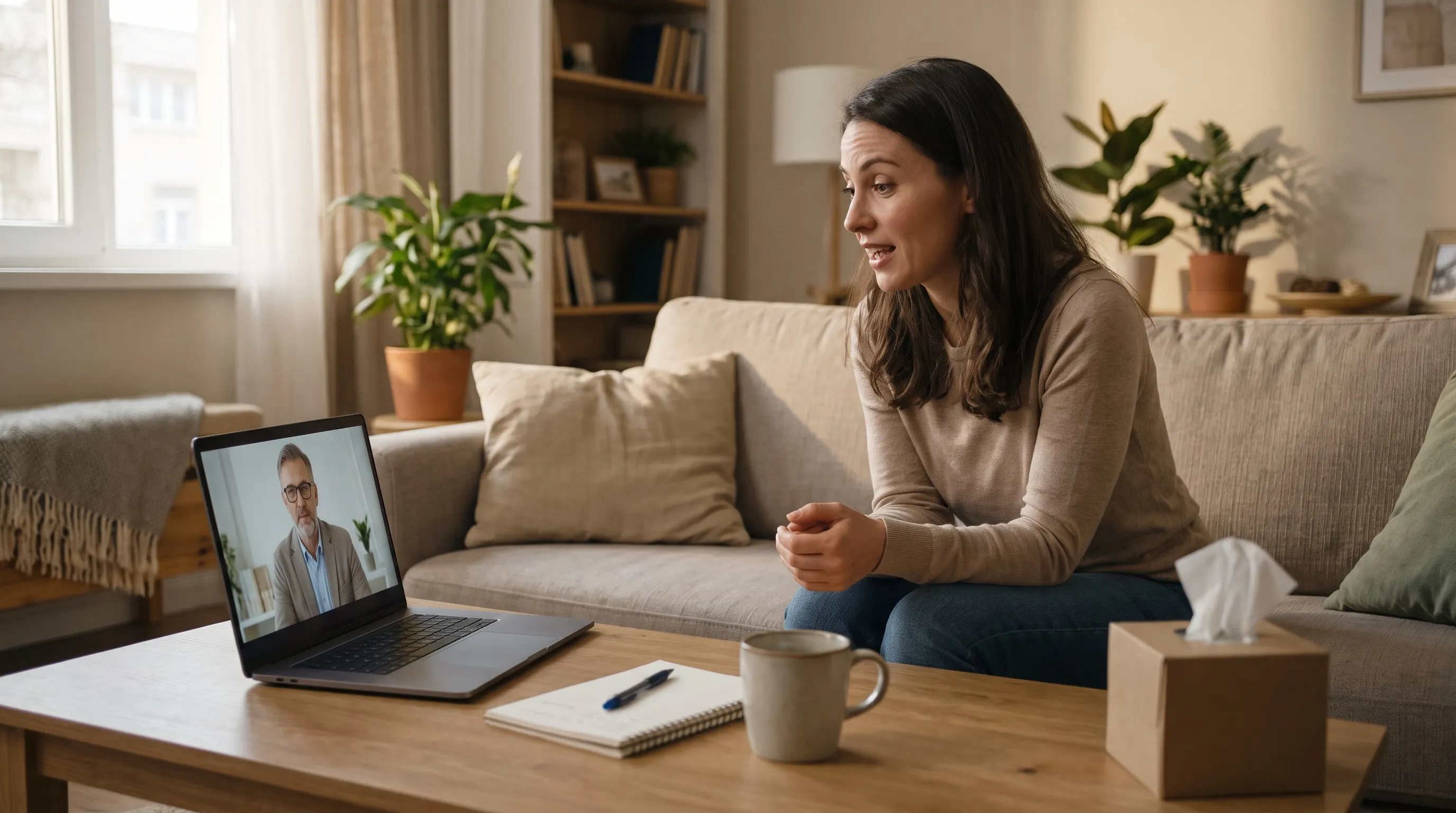
Some mornings the weight arrives before you are even out of bed. Maybe your chest feels tight and your thoughts race through every possible thing that could go wrong. Maybe everything feels flat and gray, and tasks that used to be simple now feel like climbing a hill. If either of these sounds familiar, you are far from alone. Anxiety and depression are among the most common mental health conditions in the world, and millions of adults live with them while still showing up for work, family, and friends.
The hard part is often not knowing where to start. Finding a psychiatrist can mean long waitlists, commutes, awkward waiting rooms, and schedules that never line up with real life. That is exactly why more people are turning to a virtual psychiatrist. You get the same medical training and clinical judgment, delivered through a secure video visit from a place where you already feel comfortable.
This article explains what a virtual psychiatrist does, how the process works, what conditions can be addressed, and how to decide if this path is right for you.
What Is a Virtual Psychiatrist, and How Is It Different From Therapy?
A virtual psychiatrist is a medical doctor who specializes in mental health and provides care online through video or secure messaging. They complete medical school and a psychiatric residency, just like psychiatrists who work in a traditional office. The only real difference is the setting.
Many people confuse psychiatry with therapy, so it helps to separate the two. A therapist or counselor focuses on talk-based methods, such as cognitive behavioral therapy, to help you change thought patterns and build coping skills. A psychiatrist is a physician. That means they can diagnose mental health conditions, consider how your physical health affects your mood, order or review lab work when appropriate, and prescribe medication when it is a good fit.
Anxiety and depression often have both emotional and biological layers. Sleep problems, thyroid conditions, hormonal changes, vitamin deficiencies, chronic pain, and certain medications can all affect mood. A virtual psychiatrist looks at the full picture, not just the symptoms you describe in the moment. For many patients, this medical perspective is the missing piece that finally makes treatment click.
Many people also use both. You might see a virtual psychiatrist for diagnosis and medication management while meeting with a therapist for regular talk sessions. The two roles complement each other well.
Recognizing When It Is Time to Reach Out
Everyone feels stressed or sad sometimes. That is part of being human. The question is when normal ups and downs cross into something that deserves professional attention.
Consider reaching out to a virtual psychiatrist if you notice patterns like these lasting two weeks or longer:
- Persistent worry that feels hard to control, even when nothing is obviously wrong
- Low mood, emptiness, or a sense of hopelessness most of the day
- Losing interest in hobbies, friends, or activities you used to enjoy
- Trouble sleeping, or sleeping far more than usual
- Changes in appetite or energy
- Difficulty concentrating or making simple decisions
- Physical symptoms such as a racing heart, stomach trouble, or muscle tension with no clear medical cause
- Pulling away from people or avoiding situations because of fear or exhaustion
You do not need to wait until things feel unbearable. Early support often leads to better outcomes and can prevent symptoms from growing. Many patients say their biggest regret was waiting so long to ask for help.
One important note: if you are having thoughts of harming yourself or ending your life, please do not wait for a scheduled appointment. In the United States, you can call or text 988 to reach the Suicide and Crisis Lifeline at any time, or contact your local emergency services. A virtual psychiatrist is a wonderful resource for ongoing care, but urgent situations need immediate help.
What to Expect During Your First Virtual Appointment
Walking into the unknown can feel intimidating, so here is a plain picture of how a first visit usually goes with a virtual psychiatrist.
Before the visit. You will typically complete an intake form covering your symptoms, medical history, current medications, family history, sleep habits, and lifestyle. Many practices use secure online portals for this, so you can fill it out at your own pace without feeling rushed.
During the visit. You will meet with the psychiatrist over a private video call. All you need is a phone, tablet, or computer with a camera and a quiet space. The psychiatrist will ask about what brought you in, how long you have felt this way, what daily life looks like, and what you hope to change. This is a conversation, not an interrogation. There are no wrong answers, and you can take your time.
After the visit. Together, you and your psychiatrist will talk through a diagnosis if one fits, explain your options, and build a plan. That plan might include medication, lifestyle adjustments, therapy referrals, lab work, or a combination. Follow-up appointments are then scheduled so your progress can be tracked and the plan adjusted when needed.
Good care should never feel one-size-fits-all. A thoughtful virtual psychiatrist will explain the reasoning behind each recommendation, answer your questions about benefits and side effects, and invite you to take part in decisions about your own treatment.
How a Virtual Psychiatrist Treats Anxiety and Depression
Treatment depends on the person, but there are some common building blocks.
Accurate diagnosis. Anxiety and depression come in different forms. Anxiety can show up as generalized anxiety, panic attacks, social anxiety, or specific phobias. Depression can range from major depressive disorder to persistent, lower-grade depression. Sometimes the two overlap, and sometimes another condition, such as ADHD, bipolar disorder, or a sleep disorder, is hiding underneath. A careful evaluation matters because the right label guides the right treatment.
Medication management. For many people, medication can help reduce symptoms enough that daily life becomes manageable again. Common options include antidepressants and other medications used for anxiety. A virtual psychiatrist considers your symptoms, your health history, other medications you take, and your personal preferences before suggesting anything. They also monitor how you respond, watch for side effects, and adjust doses over time. It can take a few weeks to see the full effect of some medications, so regular check-ins are a key part of the process.
Coordinated therapy and lifestyle support. Medication is rarely the whole story. Your psychiatrist may encourage psychotherapy, regular movement, consistent sleep routines, reduced alcohol use, mindfulness practices, or stress management strategies. Small changes often work best when paired with medical support.
Ongoing monitoring. Mental health is not a straight line. Some weeks feel better, and others feel harder. Regular follow-ups let your virtual psychiatrist notice patterns, respond to setbacks, and keep your plan aligned with your life as it changes.
It is worth knowing that some medications, particularly certain controlled substances, may have additional rules about how they can be prescribed through telehealth, and these rules can vary by state and over time. Your psychiatrist can explain what applies to you and what alternatives may exist.
The Real Advantages of Choosing a Virtual Psychiatrist
Online care is not just a convenient workaround. For many people with anxiety or depression, it removes barriers that make getting help harder in the first place.
Easier access. If you live in a rural area, have limited local options, or simply cannot find a psychiatrist accepting new patients, virtual care widens your choices. Appointments can often be scheduled sooner than in-person visits, which matters when you are struggling right now.
Less friction. Travel time, parking, taking half a day off work, and arranging childcare can all become excuses that keep people from going. Meeting with a virtual psychiatrist from home removes most of those obstacles. For someone whose depression makes leaving the house feel exhausting, or whose anxiety spikes in crowded waiting rooms, this can be a major relief.
Comfort and openness. Many patients find it easier to talk honestly from their own couch. Familiar surroundings can lower your guard and help you share things you might hold back in a clinical office.
Continuity of care. Because follow-ups are simpler to schedule, patients are more likely to stay consistent with treatment. Consistency is one of the strongest predictors of improvement, especially with medication.
Privacy. Reputable virtual practices use encrypted platforms designed to protect your medical information. You also avoid the possibility of running into someone you know in a waiting room, which matters to people worried about stigma.
Of course, virtual care is not perfect for every situation. People in acute crisis, those who need hospital-level support, or those who lack a private space or reliable internet may need a different arrangement. A good provider will be honest with you if another level of care would serve you better.
Tips for Getting the Most From Your Virtual Psychiatry Visits
A little preparation can make your appointments more productive.
- Write down your symptoms. Note when they started, how often they happen, and what makes them better or worse.
- List your medications and supplements. Include doses, and mention anything you have taken in the past, along with how it went.
- Test your technology. Check your camera, microphone, and connection a few minutes early.
- Choose a private spot. Find a place where you can speak freely without interruptions.
- Be honest, even when it feels uncomfortable. Your psychiatrist is there to help, not to judge.
- Ask questions. If something is unclear, such as how long a medication takes to work, ask until it makes sense.
- Keep a simple mood log. A few notes each day can reveal helpful patterns between visits.
Choosing the Right Virtual Psychiatrist
Not every online provider offers the same quality of care, so take a moment to check a few things before booking.
- Credentials. Confirm that the psychiatrist is a licensed physician, ideally board certified, and licensed in the state where you live.
- Clear communication. Look for someone who listens, explains things in plain language, and welcomes your questions.
- Transparent policies. Make sure the practice is open about fees, insurance, cancellation rules, and how it handles emergencies between visits.
- Data protection. Ask how your information is stored and who can see it.
- A good fit. Trust your instincts. If you do not feel comfortable after a couple of visits, it is perfectly fine to look for someone else.
Take the First Step Toward Feeling Like Yourself Again
Living with anxiety or depression can make you feel like you are carrying everything alone. You are not, and you do not have to keep pushing through without support. Mental health conditions are medical conditions, and they respond to thoughtful, personalized care.
A virtual psychiatrist can offer an accurate diagnosis, a clear treatment plan, and steady follow-up, all without the hurdles that so often keep people from seeking help. Whether you are dealing with constant worry, a heavy low mood, or a mix of both, reaching out is a sign of strength, not weakness.