Structural Repair Services for Long-Term Building Protection
By Gubbi Civil
3 Views
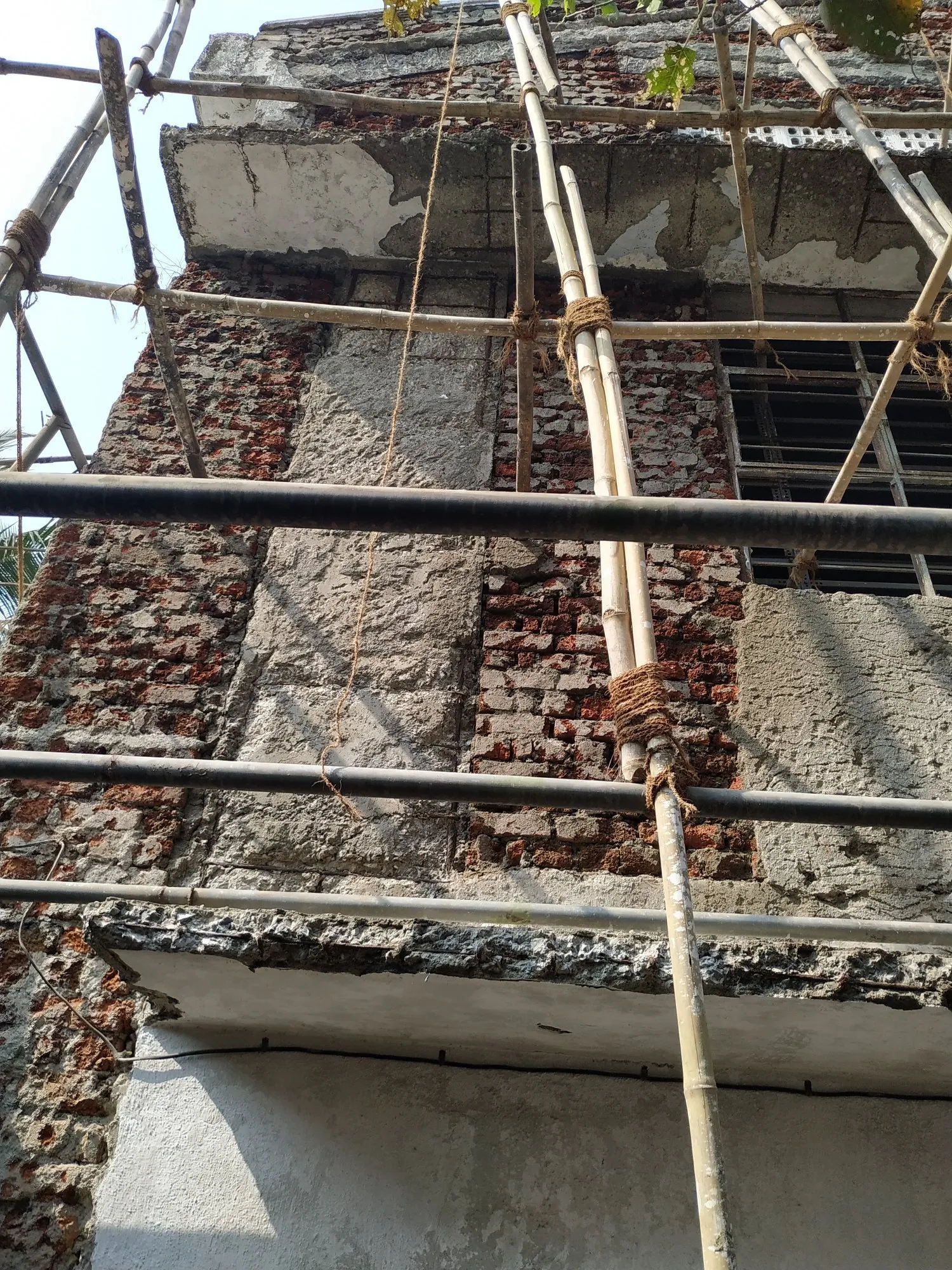
Structural damage rarely appears without warning. Cracks, exposed reinforcement, concrete spalling, damp patches, corrosion stains, deflection, and unusual movement can indicate that a building or industrial structure needs professional attention. Structural repair services focus on identifying the reason behind deterioration, restoring damaged elements, and improving their ability to perform safely. Timely intervention can help control further damage and support the longer service life of concrete structures.
Structural repair is different from ordinary civil maintenance because the work involves load carrying elements and their performance. Beams, columns, slabs, foundations, retaining walls, tanks, and other RCC components may deteriorate because of ageing, moisture, corrosion, overloading, poor construction, chemical exposure, or repeated operational stress. A suitable repair approach therefore begins with understanding the actual condition rather than simply covering visible cracks or damaged concrete.
Why Structural Repairs Are Required
Property owners often notice a crack and immediately look for concrete repair contractors, but the visible defect may only be a symptom. A crack can develop because of shrinkage, movement, corrosion, settlement, overload, or another underlying issue. The repair method should match the cause, location, width, depth, and structural importance of the defect. This is why proper assessment is an important part of responsible structural rehabilitation work.
When structural problems are ignored, deterioration can progress from a small repair requirement into a larger rehabilitation project. Moisture can reach reinforcement through cracks or porous concrete, encouraging corrosion and damaging the surrounding cover. Repeated loading can also enlarge existing defects. Early structural inspection and appropriate repair can reduce the possibility of progressive deterioration, protect critical members, and help owners plan maintenance before serious disruption becomes necessary.
Common Causes of Structural Deterioration
One of the most common reasons for structural repair is deterioration of reinforced concrete. Concrete may lose its protective quality when it becomes cracked, porous, chemically affected, or exposed to prolonged moisture. Once reinforcement begins corroding, expansion of the steel can create cracking and spalling around the reinforcement. Concrete restoration therefore needs more than surface patching when deterioration has reached the reinforcement or affected the structural section.
Structural repair contractors may work on a wide range of properties, including residential buildings, commercial complexes, factories, warehouses, power facilities, bridges, water-retaining structures, and other infrastructure. Each structure has different exposure conditions, loading patterns, access limitations, and operational requirements. Industrial repairs can be particularly demanding because work may need to be coordinated around active production, shutdown periods, safety procedures, and restricted access to damaged areas.
Structural Assessment Before Repair
A professional repair process generally begins with a site assessment. Engineers examine visible distress, affected structural members, concrete condition, reinforcement exposure, leakage, corrosion, previous repairs, and surrounding conditions. Depending on the project, additional testing may be considered to understand concrete quality or reinforcement condition. The purpose is to develop a repair strategy based on observed evidence instead of applying the same treatment to every damaged surface.
After assessment, the repair plan should define the affected areas, preparation requirements, materials, sequence of work, safety controls, and expected outcome. In some cases, loose or deteriorated concrete must be removed before repair materials are applied. Reinforcement may require cleaning and corrosion treatment, while cracks or voids may need suitable injection or filling systems. The selected method should be compatible with the existing structure and the nature of deterioration.
Concrete Crack Repair
Concrete crack repair is an important part of structural rehabilitation, but not every crack requires the same treatment. Fine surface cracks may have a different cause and requirement from deep structural cracks associated with movement or corrosion. Depending on the condition, repair techniques can include suitable mortars, sealants, injection systems, or localized reconstruction. The objective is to address the defect appropriately while avoiding a repair that only improves appearance temporarily.
Micro Concrete Repair
Micro concrete is another technique used for repairing or rebuilding damaged sections where conventional concrete placement may be difficult. It can be useful around congested reinforcement, localized deterioration, and strengthening applications when designed and executed correctly. Proper surface preparation, reinforcement treatment, formwork, placement, and curing are important to achieve a sound repair. The method should be selected according to the geometry, damage level, and engineering requirement.
Jacketing for Structural Strengthening
Jacketing can be considered when a structural member requires additional capacity, section restoration, or strengthening. RCC jacketing, steel jacketing, and other strengthening systems are applied according to project requirements. Such work involves more than adding material around a column or beam. The existing member, connection details, load transfer, reinforcement arrangement, and construction sequence need careful consideration so that the strengthened system performs as intended.
Carbon Fiber Strengthening
Fiber-based strengthening systems can also be used for selected structural applications. Carbon fiber reinforced polymer, commonly called CFRP or carbon fiber wrapping, can provide additional reinforcement without adding a large amount of weight. It may be considered for beams, columns, slabs, and other members where the design and substrate condition are suitable. Surface preparation, bonding, detailing, installation quality, and engineering design all influence the performance of the strengthening system.
Guniting and Shotcreting
Guniting and shotcreting are commonly associated with concrete rehabilitation where sprayed concrete can help restore deteriorated sections or cover prepared surfaces. These methods can be useful for walls, slabs, tunnels, retaining structures, and other applications depending on site conditions. Successful application depends on substrate preparation, reinforcement arrangement, material selection, spraying technique, thickness control, curing, and quality checks rather than the spraying operation alone.
Structural Repair and Waterproofing
Water ingress is another major concern in structural repair projects. Leakage through roofs, basements, joints, tanks, or other areas can contribute to dampness, corrosion, concrete deterioration, and repeated repair requirements. Waterproofing and structural repair may therefore need to be considered together when moisture is contributing to damage. Stopping the visible leak without addressing the damaged concrete or the source of water may not provide a complete rehabilitation solution.
Corrosion Repair and Protection
Corrosion repair requires attention because damaged reinforcement can reduce the effective condition of a concrete member. The repair process may involve removing unsound concrete, exposing affected reinforcement, cleaning or treating the steel as appropriate, restoring the concrete section, and providing protective measures where required. The exact approach depends on the severity and cause of corrosion. Preventing continued moisture or aggressive exposure can also be important for future performance.
Structural Repairs for Older Buildings
Structural repair services are often required in older buildings where years of occupancy, environmental exposure, modifications, and maintenance history have influenced the structure. Age alone does not determine whether a building needs major repair. Its present condition, usage, loading, construction quality, and exposure are more relevant. A structured inspection can help identify which components require immediate attention and which areas can remain under routine monitoring.
Structural Repair for Industrial Structures
For industrial facilities, repair planning must also consider business continuity. A damaged beam, platform, cooling tower component, tank, chimney, or process structure may be located in an operating environment where unrestricted access is difficult. Structural repair contractors need to coordinate work areas, equipment, shutdown windows, protection systems, and site safety requirements. Well-planned execution can help reduce unnecessary interruption while maintaining attention to engineering and construction quality.
Choosing Structural Repair Contractors
Choosing structural repair contractors should involve more than comparing a quotation. Owners can consider relevant project experience, engineering capability, repair methodology, material knowledge, safety practices, quality controls, and the contractor’s ability to work within site conditions. It is also useful to understand whether the contractor can manage assessment, repair, strengthening, waterproofing, and related rehabilitation activities when the project requires multiple solutions.
A repair recommendation should be specific to the structure instead of relying on a standard package. For example, a corroded column, cracked slab, leaking basement wall, deteriorated beam, and damaged industrial floor may require completely different approaches. Gubbi Civil Engineers Limited can be considered when project owners need an experienced team to assess the condition and coordinate suitable structural repair or rehabilitation solutions based on the actual site requirements.
Importance of Quality Control
Quality control remains important after the repair method has been selected. Surface preparation, material proportioning, bonding, reinforcement treatment, placement, curing, thickness, and finishing can all affect the final result. Site supervision and appropriate checks help ensure that the repair is carried out according to the planned methodology. Documentation of repaired areas and maintenance recommendations can also support future inspections and help property owners track structural condition over time.
Signs That Require Technical Attention
Regular maintenance can reduce the likelihood of small defects becoming larger structural concerns. Property owners should pay attention to recurring leakage, newly developed cracks, rust staining, concrete pieces falling from surfaces, unusual deflection, damaged joints, or changes around previously repaired areas. These signs should not automatically be treated as evidence of structural failure, but they deserve timely technical evaluation when they occur in important structural members or continue to worsen.
Repair Versus Strengthening
The objective of structural rehabilitation is not simply to make a damaged structure look new. Effective repair should address deterioration, restore affected areas, improve protection where necessary, and support the intended performance of the structure. In strengthening projects, the goal may additionally involve increasing capacity or adapting an existing structure for changed requirements. The right solution depends on engineering assessment, site conditions, materials, workmanship, and long-term maintenance planning.
Planning a Structural Repair Project
For owners searching for structural repair services, the most useful first step is to understand the nature and urgency of the problem. Photographs can help communicate visible defects, but an engineering assessment is often necessary for important structural concerns. Discuss the affected area, building type, approximate age, visible symptoms, previous repairs, and operational constraints with qualified structural repair contractors so that the next stage can be planned responsibly.
Why Professional Structural Repair Matters
Structural repair is ultimately a process of restoring confidence in an existing structure through careful assessment, appropriate engineering, controlled execution, and ongoing maintenance. Whether the requirement involves concrete repair, crack treatment, corrosion rehabilitation, jacketing, fiber strengthening, guniting, shotcreting, or waterproofing-related restoration, each method should serve a clearly identified structural need. Timely professional attention can help protect the asset, reduce progressive deterioration, and support reliable long-term performance.
A damaged structure requires more than a quick surface treatment. Understanding the cause of deterioration, assessing the affected members, selecting an appropriate repair technique, and maintaining quality during execution are essential steps toward effective rehabilitation. From concrete crack repair and corrosion treatment to jacketing, carbon fiber strengthening, guniting, shotcreting, and waterproofing-related work, the right structural repair approach should be based on the actual condition and requirements of each project.