The Surprising Link Between Stress and Your Oral Health
By Muzaffar Ali
90 Views
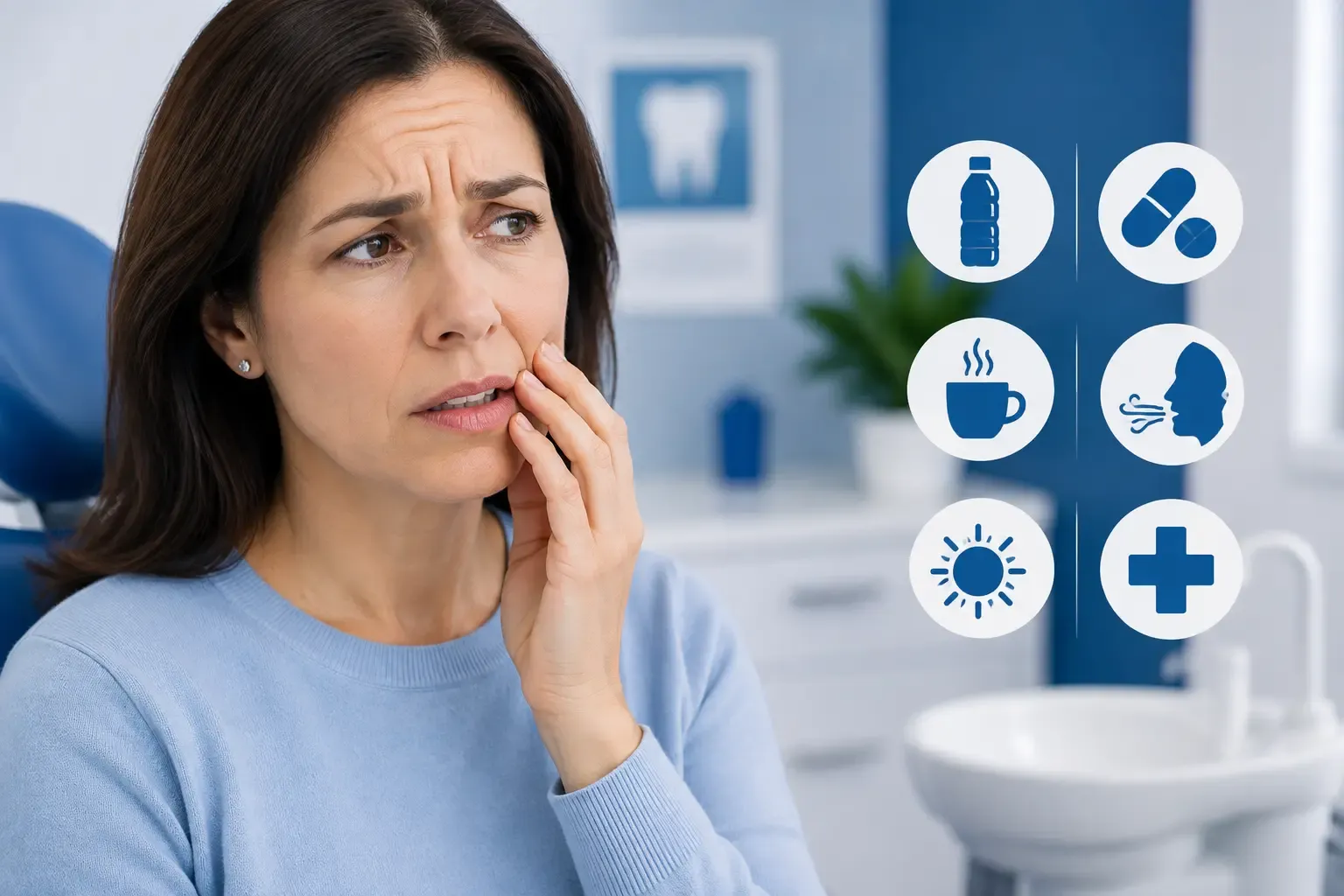
When people think about the effects of stress, they usually picture headaches, poor sleep, tension or a racing mind. What rarely comes to mind is the mouth. Yet stress has a real and often underestimated impact on oral health, showing up in the teeth, gums and jaw in ways many people never connect to what's happening in their lives.
Understanding this link is genuinely useful, because the signs of stress in the mouth are easy to miss or misattribute, and because addressing them often means addressing the stress behind them. Anyone noticing these changes would benefit from a dental assessment, and a practice such as Bradbury Dental Surgery can help identify and manage the effects. Here's how stress quietly affects the mouth, and what can be done about it.
Teeth Grinding and Clenching
The most common way stress shows up in the mouth is through teeth grinding and clenching, known as bruxism.
Stress and anxiety are strongly associated with bruxism, and much of it happens unconsciously, particularly during sleep. A person may have no idea they're doing it, yet the forces involved are considerable, and applied night after night they take a real toll.
The effects of grinding include:
- Worn, flattened teeth, as the enamel is gradually ground down
- Cracked or chipped teeth, from the repeated stress
- Jaw pain and stiffness, especially on waking
- Headaches, often in the temples and often in the morning
- Increased tooth sensitivity, as enamel wears thin
Because grinding often happens during sleep, the signs, morning jaw ache, headaches, a partner noticing the noise, are the main clues. A dentist can also spot the characteristic wear. A custom night splint, worn during sleep, is a common and effective way to protect the teeth from the damage, though managing the underlying stress is part of the picture too.
Increased Risk of Gum Problems
Stress can also affect the gums, in a couple of ways that compound each other.
Ongoing stress affects the body's immune system, which can make it harder to fight off the bacteria that cause gum disease, potentially making gum problems more likely or harder to control. On top of this, people under significant stress often let their oral hygiene slip, brushing and flossing less consistently when life feels overwhelming, which allows plaque to build up.
The combination, a reduced ability to fight infection and less consistent cleaning, can lead to inflamed gums, bleeding, and a greater risk of gum disease developing or worsening during stressful periods. For reliable, non-commercial information on oral health, Healthdirect, the Australian Government's health information service, is a trustworthy reference.
Mouth Ulcers and Cold Sores
Many people notice they're more prone to mouth ulcers during stressful times, and there's a real basis for this.
Stress is a recognised trigger for recurrent mouth ulcers, those small, painful sores that appear inside the mouth. While their exact cause isn't fully understood, the link with stress and being run down is well recognised. Similarly, stress can trigger outbreaks of cold sores in people who carry the virus that causes them, as a lowered resistance allows it to flare.
These tend to resolve on their own, but they're a visible sign that stress is affecting the body, the mouth included.
Dry Mouth
Stress and anxiety can also contribute to a dry mouth, which matters more than it might seem.
Anxiety can reduce saliva flow, and some medications used to manage stress and anxiety list dry mouth as a side effect. Since saliva is one of the mouth's key natural defences, neutralising acid, washing away bacteria and helping repair enamel, a reduction in it can leave the teeth more vulnerable to decay and the mouth more uncomfortable.
A persistently dry mouth during stressful periods is therefore worth noting, both for comfort and for the protection of the teeth.
Neglected Oral Care
Beyond the direct physical effects, stress often affects oral health simply by disrupting routines and habits.
When people are stressed, self-care frequently slips. Brushing and flossing may become less regular, dental check-ups get postponed, and comfort eating, often of sugary foods, may increase. Some people also increase habits like smoking or drinking during stressful times, both of which harm oral health. These indirect effects can be just as damaging as the direct ones, quietly raising the risk of decay and gum problems.
Recognising this pattern is helpful, because maintaining basic oral care during stressful periods, even when motivation is low, protects against a lot of the damage.
How to Protect Your Mouth During Stressful Times
While stress itself can't always be avoided, several practical steps help limit its effects on oral health:
- Keep up your oral hygiene routine, even when life is hectic, as consistent brushing and cleaning between the teeth is a strong protection
- See a dentist about grinding, who can provide a night splint to protect the teeth if bruxism is a problem
- Stay hydrated, which helps counter a dry mouth and supports saliva
- Don't skip dental check-ups, since these catch stress-related problems early
- Be mindful of comfort habits, such as increased snacking on sugary foods, smoking or drinking
- Manage the stress itself where possible, through exercise, sleep, relaxation techniques or support, which benefits the mouth along with the rest of the body
Looking after the mouth during stressful periods is a small but genuine act of self-care that prevents lasting damage.
The Bottom Line
Stress affects far more than the mind. In the mouth, it shows up as teeth grinding and its associated wear and jaw pain, a raised risk of gum problems, more frequent mouth ulcers and cold sores, dry mouth, and the knock-on effects of neglected oral care. Many people never connect these changes to the stress behind them.
Recognising the link is valuable, because it means the signs can be addressed, both directly, through measures like a night splint and consistent oral care, and at the source, by managing the stress itself. During difficult periods, keeping up dental routines and seeing a dentist about any changes is a worthwhile way of protecting the mouth. Stress may be hard to avoid, but its effects on oral health are far from inevitable.
Frequently Asked Questions
Can Stress Really Affect Your Teeth?
Yes. Stress is strongly linked to teeth grinding and clenching, often during sleep, which can wear down, crack or chip the teeth and cause jaw pain and headaches. Stress can also raise the risk of gum problems, trigger mouth ulcers, contribute to dry mouth, and disrupt oral care routines. Many people don't realise these changes are connected to stress.
How Does Stress Cause Teeth Grinding?
Stress and anxiety are strongly associated with bruxism, the grinding and clenching of teeth, much of which happens unconsciously during sleep. The exact mechanism isn't fully understood, but the link is well recognised. Because it often occurs while asleep, people may be unaware they're doing it until a dentist spots the wear or they notice jaw pain and morning headaches.
Can Stress Cause Gum Problems?
It can contribute to them. Ongoing stress can affect the immune system, making it harder to fight the bacteria that cause gum disease, and stressed people often let their oral hygiene slip, allowing plaque to build up. Together, these can lead to inflamed, bleeding gums and a greater risk of gum disease developing or worsening during stressful periods.
What Can I Do to Protect My Teeth When Stressed?
Keep up your brushing and cleaning routine even when busy, stay hydrated to counter dry mouth, and don't skip dental check-ups. If you grind your teeth, a dentist can provide a night splint to protect them. Being mindful of stress-related habits like sugary snacking, smoking or drinking helps too, as does managing the underlying stress through exercise, sleep and relaxation.