Stomach Disorders: Causes, Symptoms and Treatment Options
By SevyamHIIMS
23 Views
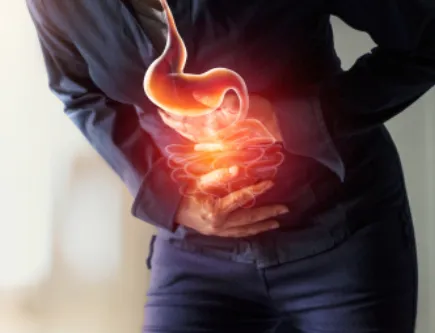
Stomach Disorders can affect everyday life in many ways, from occasional acidity and bloating to recurring abdominal discomfort, constipation, diarrhoea, or indigestion. While some digestive problems may be temporary, symptoms that continue or repeatedly return should not simply be ignored. Understanding the possible cause can help you choose appropriate care and make practical changes to your diet and daily routine.
Stomach and digestive problems can have different causes. Eating habits, stress, infections, certain medicines, food intolerances, and underlying health conditions may all play a role. Sevyam provides an integrated approach to stomach disorders that includes lifestyle modifications, Panchakarma, dietary guidance, yoga and pranayama, and acupressure.
What are Stomach Disorders?
Stomach Disorders refer to a range of conditions that affect the stomach and digestive system. Some problems mainly affect digestion, while others can influence bowel movements or cause inflammation and discomfort in the gastrointestinal tract.
Common digestive conditions include:
- Gas and bloating
- Acidity and heartburn
- Gastritis
- Indigestion or dyspepsia
- Constipation
- Diarrhoea
- Irritable bowel syndrome (IBS)
- Gastroesophageal reflux disease (GERD)
- Colitis
- Stomach ulcers
These conditions can have different symptoms and causes, so the appropriate treatment depends on the individual's condition and medical history. Sevyam's stomach-disorder page specifically lists these conditions among the digestive problems it addresses.
Common Stomach Disorders and Their Symptoms
Stomach Disorders do not always produce the same symptoms. Understanding common conditions can help you recognise when professional advice may be appropriate.
Acidity and Heartburn
Acidity and heartburn can cause a burning sensation in the upper abdomen or chest, particularly after meals. Certain foods, large meals, lying down soon after eating, and other factors can contribute to symptoms.
If heartburn happens frequently, it is worth discussing with a healthcare professional rather than relying on repeated self-medication.
Gastritis
Gastritis involves inflammation of the stomach lining. It may cause upper abdominal discomfort, nausea, indigestion, or a feeling of fullness.
Different factors can contribute to gastritis, so treatment should depend on the underlying cause.
Gas and Bloating
Gas and bloating are common digestive complaints. Occasional bloating may occur after certain foods or large meals, but persistent bloating may require evaluation, particularly when it is accompanied by pain, weight loss, vomiting, or changes in bowel habits.
Constipation
Constipation can involve infrequent bowel movements, hard stools, difficulty passing stool, or a feeling that the bowel has not completely emptied.
Dietary fibre, adequate fluid intake, physical activity, and regular bowel habits may support digestive health, but persistent constipation should be evaluated.
Irritable Bowel Syndrome
IBS can cause abdominal pain, bloating, constipation, diarrhoea, or alternating bowel habits. Symptoms can vary considerably between individuals.
Managing IBS often requires attention to diet, stress, sleep, physical activity, and individual triggers.
Dyspepsia
Dyspepsia, commonly described as indigestion, may involve upper abdominal discomfort, early fullness, bloating, or nausea after eating. Recurrent symptoms should be discussed with a healthcare professional to determine the possible cause.
What Causes Stomach Disorders?
There is no single cause behind all digestive problems. Factors can include:
- Irregular eating habits
- Excessively fatty or spicy foods
- Eating too quickly or overeating
- Low dietary fibre
- Inadequate fluid intake
- Physical inactivity
- Ongoing stress
- Certain infections
- Some medicines
- Food intolerances
- Underlying gastrointestinal conditions
Lifestyle can influence digestion, but recurring symptoms should not automatically be blamed on food or stress. Some digestive conditions require specific diagnosis and treatment.
How Are Stomach Disorders Managed?
Management depends on the specific condition and its cause. A healthcare professional may first review symptoms, medical history, diet, medicines, and lifestyle. Further tests may be recommended when necessary.
At Sevyam, the stated approach to stomach disorders includes Panchakarma, DIP diet plans, yoga and pranayama, and acupressure, along with lifestyle modifications.
These approaches are presented as part of Sevyam's integrated care model. However, people with persistent or serious digestive symptoms should receive appropriate medical evaluation rather than relying only on general dietary or lifestyle changes.
How Diet and Lifestyle Can Support Better Digestion
Daily habits can have an important role in digestive wellbeing. Some practical measures include:
Eat at Regular Times
Skipping meals and then eating very large meals may make digestive discomfort worse for some people. Maintaining a reasonably consistent meal routine can make eating patterns easier to manage.
Choose Simple, Balanced Meals
Fresh vegetables, fruits, whole grains, pulses, and other nutritious foods can form part of a balanced diet. Highly processed and excessively fatty foods may cause discomfort in some people.
Eat Slowly
Eating quickly can make it easier to overeat and may contribute to bloating or discomfort. Taking enough time to chew food properly can support the normal digestive process.
Stay Physically Active
Regular movement can support bowel function and overall health. Walking, stretching, or other suitable physical activities can be incorporated into a daily routine according to individual ability.
Manage Stress and Sleep
Stress and poor sleep can affect digestive symptoms in some people. Maintaining a regular sleep schedule and using appropriate relaxation techniques may support overall wellbeing.
What Is the Connection Between Diabetes and Digestive Health?
People looking for diabetes treatment in Jaipur may also have questions about digestive symptoms because diabetes can affect several parts of the body when blood glucose remains poorly controlled for a long period.
Diabetes and digestive health can therefore sometimes be connected, although not every stomach problem in a person with diabetes is caused by diabetes.
Managing blood glucose, following a suitable diet, remaining physically active, taking prescribed medicines correctly, and attending regular medical check-ups can help reduce the risk of diabetes-related complications.
If you have diabetes along with persistent stomach discomfort, constipation, diarrhoea, nausea, or changes in digestion, discuss these symptoms with your healthcare professional rather than assuming they are simply dietary problems.
When Should You Seek Medical Help?
Some digestive symptoms may improve with appropriate lifestyle changes, but certain signs require professional evaluation.
Seek medical advice if you experience:
- Persistent or worsening abdominal pain
- Repeated vomiting
- Blood in vomit or stool
- Unexplained weight loss
- Difficulty swallowing
- Persistent diarrhoea or constipation
- Severe or recurring heartburn
- Symptoms that repeatedly return despite lifestyle changes
Sevyam's recent digestive-health guidance also highlights persistent abdominal pain, recurring vomiting, blood in stool or vomit, unexplained weight loss, and difficulty swallowing as symptoms that warrant proper evaluation.
Severe or sudden symptoms may require urgent medical attention.
How to Choose the Right Care for Stomach Problems
The right approach depends on what is causing the digestive symptoms. Before choosing any treatment, consider whether the healthcare provider properly evaluates your symptoms and explains the available options.
It can be useful to look for:
- Appropriate assessment of digestive symptoms
- Clear explanation of possible causes
- Personalised dietary guidance
- Suitable lifestyle recommendations
- Follow-up when symptoms persist
- Referral for further testing or specialist care when required
A treatment plan should be based on the individual's condition rather than assuming that every digestive problem has the same cause.
Conclusion
Stomach Disorders can range from common problems such as gas, acidity, and indigestion to conditions such as IBS, gastritis, GERD, ulcers, and colitis. Because these conditions can have different causes, persistent symptoms should be evaluated rather than managed only through self-treatment.
Sevyam's approach includes lifestyle modifications, Panchakarma, dietary guidance, yoga and pranayama, and acupressure as part of its integrated care for stomach disorders.
Simple habits such as eating balanced meals, staying active, maintaining regular routines, and managing stress may support digestive health. However, recurring or severe symptoms require appropriate professional evaluation. Understanding the cause of your digestive problem is the first step toward choosing suitable care and protecting your long-term health.