Start Your Hairline Design Journey With Scalp Micropigmentation Dubai
By robertclinic
22 Views
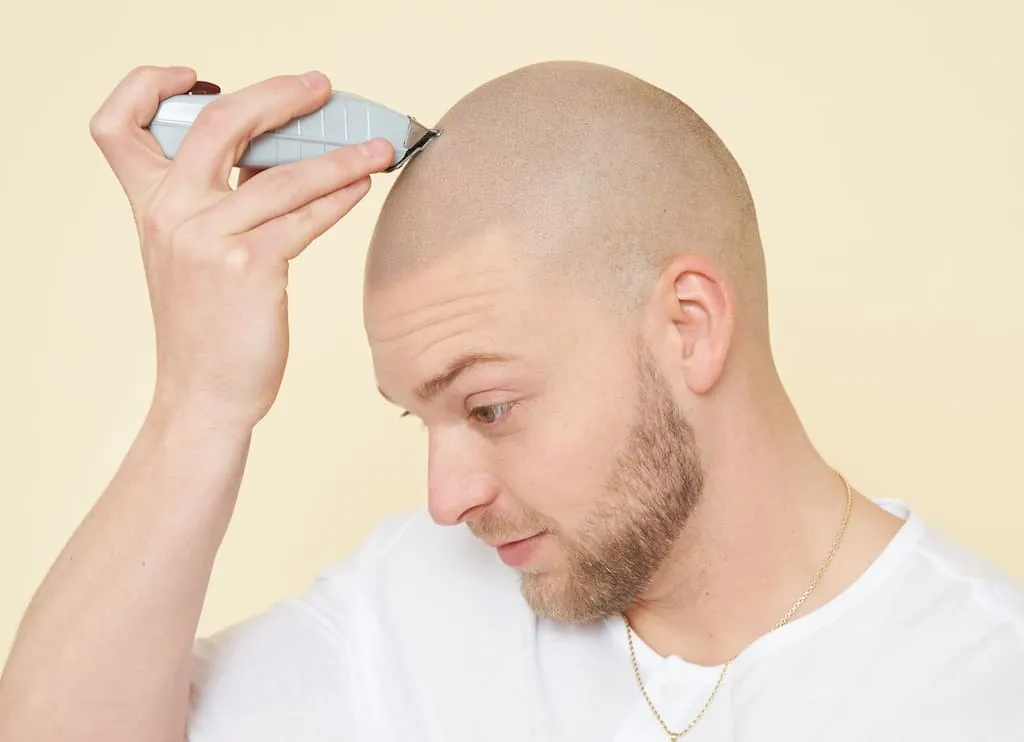
Hairline design plays an important role in creating a balanced, natural-looking appearance for people experiencing hair thinning, receding hairlines, or visible bald patches. Changes in hair density can affect how the forehead, temples, and overall facial proportions look. Scalp micropigmentation offers a non-surgical cosmetic option for individuals who want to improve the appearance of their scalp without undergoing a hair transplant.
Choosing Scalp Micropigmentation Dubai services begins with understanding how the procedure works and what it can realistically achieve. This technique involves depositing specialised pigments into the scalp to replicate the appearance of closely shaved hair follicles. When performed with appropriate pigment selection, careful spacing, and a suitable hairline design, the treatment can create the visual impression of greater density or a defined buzz-cut appearance.
One of the most important aspects of this procedure is personalisation. A hairline that looks natural on one person may not complement another person's facial structure, age, skin tone, or existing hair pattern. Professional planning helps ensure that the proposed design suits the individual's features rather than appearing overly sharp or artificial.
Before proceeding, prospective patients should understand the treatment process, maintenance requirements, potential risks, and expected results. Comparing providers, reviewing healed results, and attending a detailed consultation can help individuals make informed decisions about their appearance and long-term grooming preferences.
Understanding Scalp Micropigmentation and Hairline Design
Scalp micropigmentation, commonly known as SMP, uses specialised cosmetic tattooing techniques to create tiny pigment impressions that resemble hair follicles. Unlike a hair transplant, it does not create new hair growth or restore biological hair density. Instead, it changes the visual appearance of the scalp.
The treatment may be suitable for people with receding hairlines, pattern hair loss, thinning crowns, or scars that they wish to camouflage. It can also complement existing hair by reducing the contrast between the scalp and surrounding strands.
Hairline design requires particular attention to proportion, symmetry, pigment colour, and the natural direction of the hairline. A softer, slightly irregular outline often looks more realistic than a perfectly straight edge. The design should also account for the possibility of future hair loss, particularly in younger individuals.
Clinics to Consider for Scalp Micropigmentation in Dubai
Dynamic Life Clinic
Dynamic Life Clinic is one of the healthcare providers prospective patients may research when exploring aesthetic treatments in Dubai. Individuals considering scalp-related cosmetic procedures should ask whether the clinic offers scalp micropigmentation directly or can provide appropriate guidance about available treatment options.
A consultation should establish the cause and extent of hair loss, the desired cosmetic outcome, and whether SMP is appropriate for the individual's scalp condition. Patients should also clarify practitioner qualifications, hygiene protocols, pigment suitability, and aftercare requirements before committing to treatment.
Enfield Royal Clinic
Enfield Royal Clinic is an option to consider when researching aesthetic and hair restoration services in Dubai. People interested in Scalp Micropigmentation Dubai should enquire about the clinic's current SMP services, consultation process, and approach to personalised hairline planning.
An effective assessment should consider facial proportions, existing hair distribution, skin tone, and the possibility of future hair loss. The practitioner should explain how pigment placement can create the appearance of a defined hairline or increased visual density without promising actual hair regrowth.
Prospective patients should also request examples of healed treatment results, discuss the number of sessions that may be required, and understand how pigment fading and maintenance are managed. Clear communication about suitability, limitations, hygiene standards, and aftercare can help individuals decide whether the procedure aligns with their expectations.
Cocoona Clinic
Cocoona Clinic is another provider that individuals may wish to research when comparing cosmetic and hair-related treatment options in Dubai. Before booking, prospective patients should confirm whether scalp micropigmentation is currently available and whether the relevant practitioner has specific experience in this technique.
Hairline design should be approached as an individualised process rather than a standard template. Factors such as forehead proportions, temple recession, hair colour, and the contrast between the scalp and existing hair can influence the final appearance.
Patients should ask about the pigments used, the equipment involved, infection-control measures, and the clinic's policy for follow-up appointments. Reviewing healed results under different lighting conditions can also help establish realistic expectations.
Tajmeels Clinic
Tajmeels Clinic may be included in a comparison of aesthetic service providers in Dubai. Anyone interested in scalp micropigmentation should verify the availability of the procedure and the experience of the professional who would perform it.
A thorough consultation should explain how the intended hairline will complement the patient's facial features and whether the treatment is suitable for the current pattern of hair loss. Patients should understand that SMP creates a cosmetic effect rather than producing new follicles.
It is also important to discuss potential pigment changes, skin sensitivity, healing time, and the possibility of future touch-up sessions. These details help individuals assess the practical commitments associated with maintaining their desired appearance.
Dubai Cosmetic Surgery Clinic
Dubai Cosmetic Surgery Clinic is a provider that prospective patients may research when comparing cosmetic procedures and associated consultation services. Individuals considering SMP should confirm whether the treatment is offered and whether the practitioner has relevant training in scalp pigmentation.
A suitable treatment plan should address the desired hairline shape, pigment shade, and the visual transition between treated and untreated areas. People with extensive hair loss may have different goals from those seeking to camouflage a small scar or improve the appearance of thinning hair.
Before treatment, patients should request a clear explanation of the procedure, its limitations, and the aftercare plan. Understanding these factors helps ensure that the decision is based on realistic cosmetic goals rather than assumptions about permanent hair restoration.
Emirates Hospital
Emirates Hospital is a healthcare provider that individuals may explore when researching medical consultations and hair-related concerns in Dubai. Patients interested in scalp micropigmentation should establish whether the hospital currently provides the procedure or can direct them towards an appropriately qualified professional.
Medical assessment may be useful when hair loss is sudden, unexplained, or accompanied by scalp inflammation. Identifying an underlying condition before pursuing a cosmetic procedure can help avoid overlooking a problem that requires treatment.
Those considering SMP should also ask about practitioner credentials, sterilisation procedures, possible adverse reactions, and appropriate follow-up care. A medically informed approach can help patients distinguish between cosmetic camouflage and treatments intended to address the cause of hair loss.
King’s College Hospital London Dubai
King’s College Hospital London Dubai is another healthcare provider that patients may research when seeking advice about hair and scalp health. Individuals should confirm which relevant dermatology services are available and whether scalp micropigmentation is offered directly.
For people experiencing ongoing hair loss, a clinical assessment may help identify whether the problem is related to genetic factors, inflammation, nutritional deficiencies, or another underlying cause. This information can be valuable when deciding whether cosmetic pigmentation is appropriate.
Patients should ask about available assessment options, referral pathways, and the distinction between medical hair-loss management and cosmetic scalp treatments. Understanding these differences supports more informed decisions about the most suitable next step.
How to Choose the Right Clinic for Scalp Micropigmentation Dubai
Selecting a provider involves more than comparing prices or viewing photographs of completed procedures. Hairline design requires technical precision, an understanding of facial proportions, and careful attention to pigment placement. The following considerations can help guide the decision.
Experience and Qualifications
Look for a practitioner with specific training and practical experience in scalp micropigmentation. General experience in cosmetic treatments does not necessarily demonstrate proficiency in SMP.
Ask to see examples of previous work, including healed results and cases involving a similar hair-loss pattern. Consistent pigment placement and natural-looking transitions are important indicators when evaluating the quality of the work.
Technology and Techniques
The equipment, needle configuration, pigment formulation, and placement technique can influence the appearance and longevity of the results. Ask how the practitioner selects pigment shades and adapts the technique to different scalp conditions.
Hairline planning should account for existing hair, skin tone, facial structure, and potential future recession. A suitable provider should explain the design process and allow time for questions before treatment begins.
Safety Standards
Scalp micropigmentation involves breaking the skin, so infection prevention and appropriate hygiene are essential. Confirm that sterile, single-use needles are used where required and that equipment is handled according to relevant infection-control standards.
Discuss allergies, previous reactions to tattoo pigments, existing scalp conditions, and any medications or medical circumstances that could affect treatment suitability. The practitioner should explain possible complications, including infection, irritation, allergic reactions, and unwanted pigment changes.
Consultation Process
A comprehensive consultation should include an assessment of the scalp, discussion of the desired outcome, and an explanation of the procedure's limitations. Patients should receive clear information about session length, expected healing, pricing, and follow-up appointments.
The proposed hairline should be reviewed before the procedure starts. Patients should feel comfortable requesting adjustments and should not be pressured into selecting a design that does not suit their preferences.
Patient Experience and Aftercare
Professional care extends beyond the treatment session. Ask what support is available during healing and whether the provider offers follow-up assessments.
Aftercare instructions commonly address scalp cleanliness, excessive sweating, sun exposure, and activities that could irritate the treated area. Patients should follow the practitioner's specific guidance and seek advice if they experience unusual pain, increasing redness, swelling, or discharge.
Expected Results and Maintenance
SMP can create the appearance of a closely shaved hairstyle or make thinning areas look less noticeable. However, results vary according to skin characteristics, pigment technique, hair-loss pattern, and individual healing.
The treatment commonly requires multiple sessions to build up the appearance gradually. Pigment may fade over time, making maintenance appointments necessary. Patients should also understand that SMP does not stop progressive hair loss, so the surrounding natural hair may continue to change.
Frequently Asked Questions
What is scalp micropigmentation?
Scalp micropigmentation is a non-surgical cosmetic procedure that places small pigment impressions into the scalp to imitate the appearance of hair follicles. It can help create a defined shaved-hair look, improve the appearance of thinning areas, or camouflage certain scars.
How long does scalp micropigmentation last?
Results can last for several years, although longevity varies according to skin type, pigment formulation, sun exposure, technique, and aftercare. Gradual fading is possible, and periodic touch-ups may be recommended to maintain the desired appearance.
Is scalp micropigmentation suitable for a receding hairline?
It may be suitable for people with receding hairlines who want a more defined outline or the appearance of closely shaved hair. The proposed design should complement facial proportions and account for possible future recession. A professional consultation is necessary to assess suitability.
How many sessions are usually required?
Many treatment plans involve two to four sessions, although the number depends on the area being treated, the desired density, and the individual's response to pigment application. Sessions may be spaced apart to allow healing and assessment before additional pigment is applied.
Does scalp micropigmentation regrow natural hair?
No. Scalp micropigmentation creates the visual impression of hair follicles but does not stimulate new hair growth. People who want to address ongoing hair loss should discuss appropriate medical or hair-restoration options with a qualified healthcare professional.
Conclusion
A thoughtfully designed hairline can influence the overall appearance of the face, particularly for individuals experiencing recession, thinning, or extensive hair loss. Scalp micropigmentation offers a cosmetic approach to creating the impression of fuller coverage without surgery, but the quality of the outcome depends on appropriate planning, practitioner skill, pigment selection, and aftercare.
When exploring Scalp Micropigmentation options, compare practitioner experience, review healed results, confirm safety procedures, and discuss the limitations of the treatment during a consultation. A natural-looking result should complement your facial features and remain appropriate as your hair pattern changes. Taking time to evaluate these factors can help you choose a treatment plan that reflects your preferences and supports realistic, long-term expectations.