How Commercial Outdoor Lighting Creates Safer and More Welcoming Business Spaces
By ssmelectric
10 Views
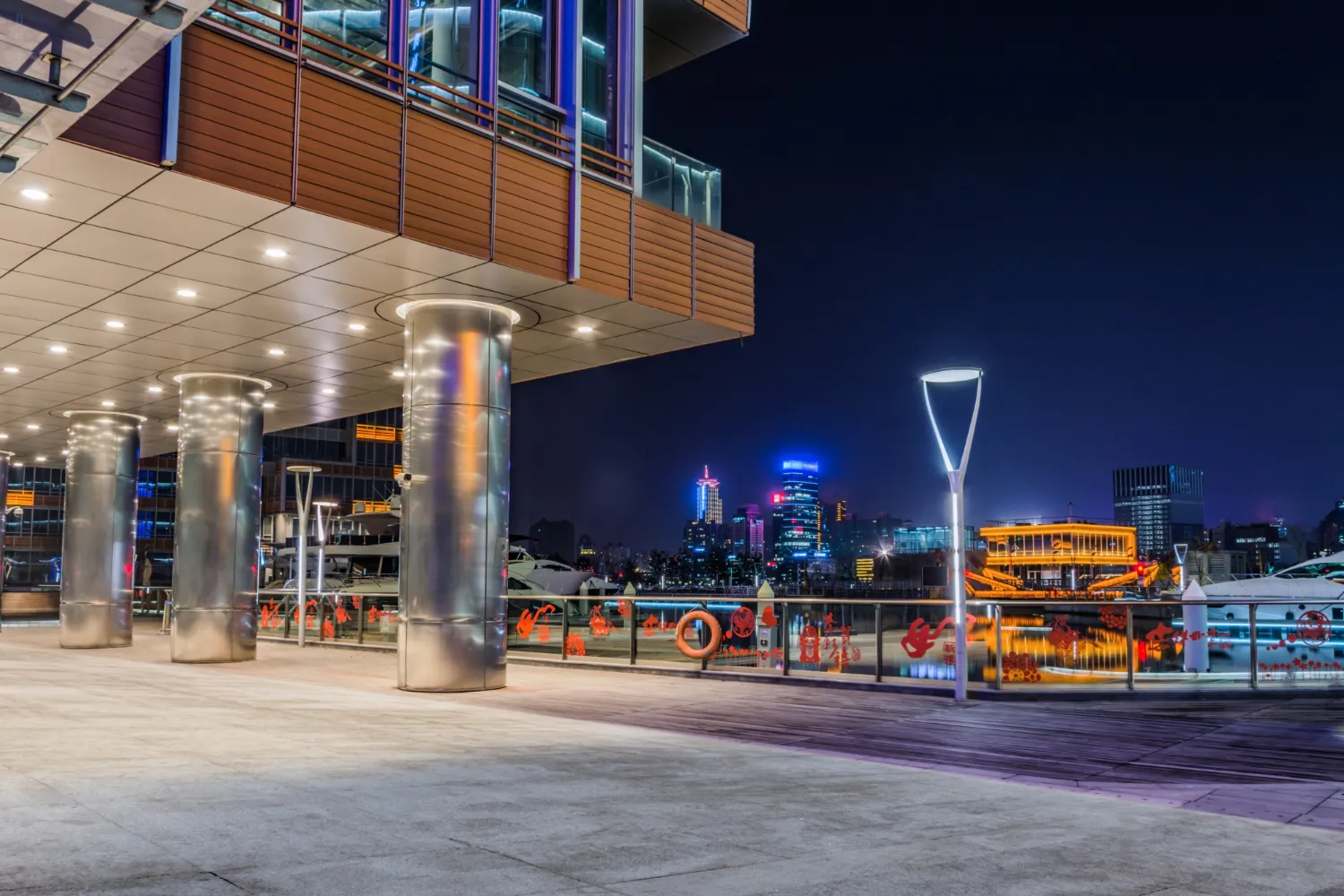
Outdoor lighting plays an important role in how people experience a business after sunset. From office entrances and retail car parks to restaurant terraces and commercial walkways, well-planned illumination helps people move around safely while making outdoor spaces more inviting. Commercial outdoor lighting is not simply about making a property visible at night; it also contributes to security, accessibility, customer comfort and the overall appearance of a business.
For business owners, choosing the right outdoor lighting can make everyday activities easier for employees, visitors and customers. A properly illuminated exterior helps reduce dark areas, improves visibility around entrances and creates a more professional first impression. Understanding the different lighting options and how to use them effectively can help businesses create outdoor environments that remain practical and welcoming throughout the day and night.
1. How Commercial Outdoor Lighting Improves Safety Around Business Premises
Safety is one of the main reasons businesses invest in exterior lighting. Poorly illuminated areas can make it difficult for people to identify obstacles, navigate pathways or see where they are going. This can increase the risk of trips, slips and accidental injuries, particularly around steps, ramps, entrances and uneven surfaces.
Well-planned commercial outdoor lighting helps address these issues by providing consistent illumination across important areas of a property.
Some key safety benefits include:
-
Better visibility: Illuminated pathways, entrances and walkways help employees and visitors move around more confidently.
-
Reduced accident risks: Proper lighting makes steps, kerbs, ramps and other potential hazards easier to identify.
-
Safer parking areas: Good visibility helps drivers and pedestrians navigate car parks more carefully.
-
Clearer access points: Lighting around doors, gates and loading areas makes movement easier during darker hours.
-
Improved awareness: Employees and visitors can better recognise their surroundings when outdoor spaces are properly illuminated.
For businesses operating early in the morning or late in the evening, these benefits are particularly valuable. Lighting should be positioned to provide useful visibility without creating excessive glare or unnecessarily bright areas.
2. Commercial Outdoor Lighting Strengthens Security and Visibility
Security is another important consideration when planning business exterior lighting. Dark corners, poorly lit entrances and unmonitored access points can make commercial properties less secure. Appropriate lighting improves visibility around these locations and helps employees, security personnel and visitors remain aware of their surroundings.
For example, businesses can install floodlights around building perimeters, entrances and loading bays to illuminate larger outdoor areas. Wall-mounted lights can provide focused illumination around doors and access points, while motion-sensor lighting can activate when movement is detected.
These lighting solutions can support security in several ways:
-
Illuminate building entrances and external doors.
-
Improve visibility around delivery and storage areas.
-
Reduce poorly lit spaces around the property.
-
Support CCTV systems by providing suitable lighting conditions.
-
Help security staff monitor outdoor areas more effectively.
Lighting should also be considered alongside other security measures, including CCTV cameras, access control and regular property inspections. Although outdoor lighting alone cannot prevent every security incident, it can improve visibility and make a commercial property easier to monitor.
3. How Commercial Outdoor Lighting Creates a Welcoming First Impression
The exterior of a business often forms the first impression customers have before they enter the building. An entrance that is clearly illuminated, a visible business sign and a well-lit pathway can make visitors feel more comfortable when approaching the property.
Commercial outdoor lighting also helps businesses maintain a consistent appearance after daylight hours. Retail shops, restaurants, hotels and office buildings can use different lighting arrangements to highlight architectural features, entrances and landscaped areas.
For instance, warm-toned lighting around a restaurant entrance can create a more relaxed atmosphere, while brighter, neutral lighting may be suitable for office entrances and commercial access routes.
Businesses can use exterior lighting to:
-
Highlight building entrances and architectural details.
-
Make business signs easier to identify.
-
Improve the appearance of landscaped areas.
-
Create a comfortable atmosphere around outdoor seating.
-
Make customers feel more confident approaching the premises.
The aim is to balance appearance with practicality. Decorative lighting should complement essential functional lighting rather than replace it. Customers should be able to identify entrances, read signs and navigate the property without difficulty.
4. Choosing the Right Commercial LED Lighting for Outdoor Spaces
LED technology has become a popular option for commercial properties because it offers energy-efficient illumination and a range of practical lighting solutions. Businesses that operate outdoor lighting for several hours each evening can benefit from considering LED products when reviewing their lighting requirements.
Commercial LED lighting is available in different styles, brightness levels and colour temperatures, making it suitable for various exterior applications.
Some commonly used options include:
LED Floodlights: These provide broad illumination and are useful for car parks, building exteriors, loading bays and larger open spaces.
LED Wall Lights: Wall-mounted fittings are suitable for entrances, corridors, external walkways and areas close to building access points.
LED Security Lights: These help improve visibility around less frequently used areas and can be combined with motion sensors.
LED Bulkhead Lights: Designed for practical exterior applications, these fittings can be used around entrances, covered walkways and service areas.
LED Bollard Lights: These provide lower-level illumination along pathways, landscaped areas and pedestrian routes.
When selecting lighting, businesses should consider brightness, beam angle, colour temperature, energy consumption and the intended installation location.
It is also important to check the IP rating of each fitting. This indicates its level of protection against dust and moisture. Outdoor installations should use products with an appropriate IP rating for their exposure to rain, water and environmental conditions.
Businesses exploring suitable products can browse the range of commercial LED lighting to understand the available LED options.
5. Why Outdoor Lighting Placement Matters for Commercial Properties
Even good-quality lighting products may not deliver the desired results if they are installed in unsuitable positions. Effective outdoor lighting placement ensures that important areas receive sufficient illumination without creating unnecessary glare, dark patches or uneven brightness.
The layout of a commercial property should guide lighting decisions. A large retail car park, for example, will have different requirements from a small office entrance or restaurant terrace.
Consider the following areas when planning an exterior lighting layout:
-
Entrances and exits: Position lights near doors and access points to help visitors identify where to enter and leave.
-
Car parks: Use appropriately positioned floodlights or pole-mounted fittings to improve visibility across parking spaces and pedestrian routes.
-
Walkways: Install suitable pathway lighting to make pedestrian movement easier, particularly around steps and changes in ground level.
-
Building perimeters: Provide consistent illumination around external walls, gates and other access points.
-
Loading areas: Ensure delivery vehicles, staff and contractors have sufficient visibility during loading and unloading activities.
-
Outdoor seating: Use comfortable lighting that supports visibility without making the environment unnecessarily bright.
Businesses should also consider the height and direction of lighting fixtures. Poorly directed lights can shine into nearby properties, distract drivers or create uncomfortable glare for pedestrians.
For more practical guidance, businesses can explore these outdoor lighting placement ideas for commercial properties.
6. Improving Energy Efficiency and Long-Term Lighting Performance
Outdoor lighting is often required for extended periods, particularly in commercial properties that operate beyond standard working hours. Choosing energy-efficient products can help businesses manage electricity consumption while maintaining suitable lighting levels.
LED fittings are worth considering because they generally use less electricity than traditional incandescent and halogen alternatives for comparable light output. They also tend to have longer rated lifespans, which can reduce the frequency of replacement.
There are several ways businesses can improve the efficiency of their outdoor lighting systems:
Use LED fittings: Replacing older lighting with suitable LED alternatives can help reduce energy consumption.
Install motion sensors: Sensor-controlled lights can operate when movement is detected in selected areas, reducing unnecessary operation.
Consider timers: Timers allow businesses to schedule lighting according to operating hours and seasonal daylight changes.
Choose suitable brightness levels: Avoid installing excessively powerful fittings where lower light output would provide adequate visibility.
Schedule maintenance: Regularly inspect fittings, clean lenses and replace damaged components to maintain consistent performance.
Businesses should also consider the long-term maintenance requirements of their chosen lighting products. Weather-resistant fittings and suitable installation methods can help maintain performance in exposed outdoor environments.
7. How to Plan Commercial Outdoor Lighting for Different Business Types
Every commercial property has different lighting requirements. The right approach depends on the building layout, operating hours, outdoor activities and the people using the space.
Here are some examples:
Retail Stores and Shopping Centres: Prioritise entrances, display areas, pedestrian walkways and car parks. Clear lighting helps customers navigate the property and identify access points.
Office Buildings: Focus on reception entrances, external pathways, parking facilities and employee access routes, especially where staff work outside standard office hours.
Restaurants and Cafés: Combine functional entrance lighting with softer illumination around outdoor seating areas to create a comfortable atmosphere.
Warehouses and Industrial Premises: Give attention to loading bays, vehicle movement areas, storage entrances and building perimeters.
Hotels and Hospitality Businesses: Use a combination of pathway, entrance, landscape and security lighting to make outdoor areas easier to navigate and more inviting for guests.
A lighting plan should reflect how each space is used rather than applying the same fittings and brightness levels throughout the property.
Conclusion: Make Business Premises Safer with Commercial Outdoor Lighting
A well-planned exterior lighting system can make a noticeable difference to the safety, accessibility and appearance of commercial properties. From improving visibility around entrances and car parks to supporting security and creating a welcoming atmosphere, commercial lighting UK serves several important purposes.
Businesses should consider their property layout, lighting requirements, energy consumption and environmental conditions before choosing suitable products. Combining appropriate LED fittings with thoughtful positioning and regular maintenance can help create outdoor spaces that remain practical and inviting after dark.
Whether upgrading an existing installation or planning lighting for a new commercial property, selecting suitable products is an important first step.
Related Reading
Why Lifestyle & Culture is Transforming the Global Industry Landscape
Welcome to our in-depth exploration of Lifestyle & Culture. In an era define...
Expert Insights: Navigating the Complex World of Lifestyle & Culture
Welcome to our in-depth exploration of Lifestyle & Culture. In an era define...