Which LED Light Bulbs UK Homeowners Should Choose for Kitchens, Bedrooms and Living Rooms?
By ssmelectric
11 Views
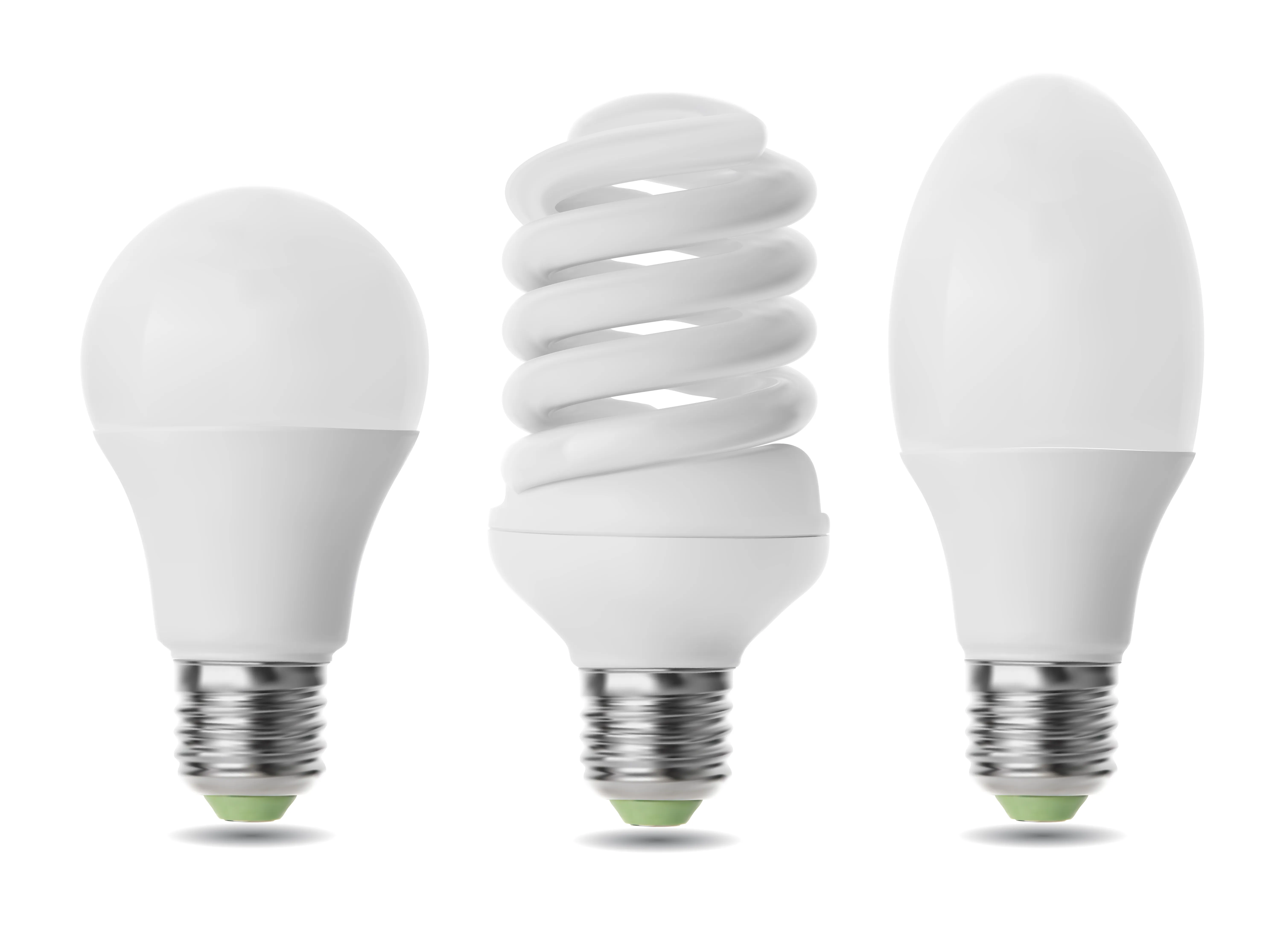
Introduction: Choosing the Best LED Light Bulbs UK Homes Need
Choosing the right lighting can make a noticeable difference to how comfortable, practical and inviting a home feels. Kitchens need bright, clear illumination for cooking and food preparation, while bedrooms benefit from softer lighting that helps create a relaxing atmosphere. Living rooms often require a balance between functional lighting and a warm, welcoming environment.
TryNew FoodsThe best led light bulbs UK households can choose depend on several factors, including brightness, colour temperature, bulb fitting, energy efficiency and the type of light fitting being used. A bulb that works well in a kitchen ceiling light may not be the ideal choice for a bedside lamp or a living room floor lamp.
Understanding these differences makes it easier to select suitable bulbs for each space, improve everyday comfort and manage electricity consumption.
1. Best LED Light Bulbs UK Kitchens Need for Bright, Clear Lighting
Kitchen lighting should provide good visibility across worktops, sinks, hobs and food preparation areas. Shadows and dim corners can make everyday tasks less convenient, so choosing the right brightness and colour temperature is important.
TryNew FoodsWhat Brightness Is Best for Kitchen LED Bulbs?
Brightness is measured in lumens rather than watts. Lumens indicate how much visible light a bulb produces, whereas watts measure its power consumption.
For general guidance:
- 450–800 lumens: Suitable for smaller areas, wall lights and supplementary lighting.
- 800–1,100 lumens: A useful range for many kitchen ceiling lights, depending on the room size.
- 1,100 lumens or more: Worth considering for larger kitchens or fittings that need stronger illumination.
These are starting points rather than fixed rules. The total light required depends on ceiling height, wall colours, the number of fittings and the layout of the kitchen.
Under-cabinet lights can provide additional illumination over worktops, reducing shadows created by overhead fittings.
GetWriting ToolsWhich Colour Temperature Works Best in Kitchens?
Colour temperature is measured in Kelvin (K). It describes whether light appears warm, neutral or cool.
- 2700K–3000K: Warm white, suitable for kitchens where a relaxed atmosphere is preferred.
- 3500K–4000K: Neutral to cool white, useful for food preparation and everyday tasks.
- 5000K and above: Cooler daylight-style light, which may suit specific task areas but can feel harsh when used throughout a home.
For many kitchens, 3000K–4000K offers a practical balance between comfortable ambience and clear visibility. The best option depends on personal preference and the room's existing lighting.
2. Best LED Light Bulbs UK Bedrooms Need for Relaxation
Bedroom lighting should feel comfortable in the evening while providing enough illumination for dressing, reading and other everyday activities. Unlike kitchens, bedrooms generally benefit from a softer lighting scheme.
Choose Warm White LED Bulbs for Bedrooms
Warm white bulbs between 2700K and 3000K create a gentle, inviting atmosphere. They are particularly suitable for bedside lamps, ceiling lights and wall-mounted fittings.
For general bedroom lighting, bulbs producing around 450–800 lumens may be sufficient for smaller rooms or individual fittings. Larger bedrooms may require multiple bulbs or higher combined light output.
Instead of relying on one bright ceiling light, consider layering different light sources:
- Ceiling lights for general illumination.
- Bedside lamps for reading and relaxing.
- Wall lights for softer background lighting.
- Dimmable LED bulbs for adjusting brightness throughout the evening.
Layered lighting gives you greater control over the room's atmosphere without needing to illuminate every corner at full brightness.
Are Dimmable LED Bulbs Worth Considering?
Dimmable bulbs are useful when the same bedroom serves several purposes. You can use brighter lighting when getting dressed and reduce the output when winding down.
However, check that the bulb is specifically marked as dimmable and compatible with the installed dimmer switch. Not every LED bulb works with every dimmer.
When comparing led light bulbs UK shoppers can purchase, checking the product specifications before buying helps avoid compatibility issues.
3. Best LED Light Bulbs UK Living Rooms Need for Comfort and Flexibility
Living rooms often serve as spaces for watching television, reading, entertaining guests and spending time with family. Their lighting should therefore support different activities without making the room feel overly bright or too dim.
Which Brightness and Colour Temperature Suit Living Rooms?
Warm white lighting between 2700K and 3000K is a popular choice for living rooms because it creates a comfortable atmosphere.
The appropriate brightness depends on the room's dimensions and the number of light fittings. Bulbs producing approximately 450–800 lumens can work well in table lamps and smaller fittings, while ceiling lights may need higher-output bulbs or several light sources.
Consider using a combination of:
- Ceiling lights: Provide general illumination throughout the room.
- Floor and table lamps: Create smaller pools of light for reading or relaxing.
- Wall lights: Add softer illumination and visual interest.
- Accent lighting: Highlights artwork, shelving or architectural features.
This approach makes the room more adaptable. For example, brighter general lighting can be used when cleaning or hosting guests, while lamps create a more relaxed setting in the evening.
For a coordinated approach to home lighting, explore LED indoor lighting to compare options for different rooms and lighting requirements.
Should You Choose Smart or Dimmable LED Bulbs?
Smart and dimmable bulbs can make living room lighting more flexible. Depending on the product, smart bulbs may allow you to adjust brightness, change colour temperature or control the lights through an app or voice assistant.
Before purchasing smart bulbs, check their connectivity requirements, compatibility with your existing fittings and whether they need a separate hub.
Dimmable bulbs are often a simpler alternative if you only need to change brightness. Both options can help you create different lighting settings for everyday activities.
4. How to Choose Energy-Efficient LED Light Bulbs UK Households Can Use
LED technology is widely used because it can provide substantial energy savings compared with traditional incandescent bulbs. However, efficiency and suitability still vary between products.
When comparing bulbs, look beyond the wattage printed on the packaging.
Check Lumens, Watts and Energy Efficiency
A bulb with lower wattage can produce a similar amount of light to a higher-wattage traditional bulb. This means you can often maintain suitable brightness while consuming less electricity.
For example, replacing a traditional 60W incandescent bulb with an LED bulb using approximately 8–10W can reduce the electricity used by that individual bulb while delivering a comparable light output. The exact comparison depends on the products.
To make a more informed choice:
- Compare lumens to find the required brightness.
- Check watts to understand electricity consumption.
- Review the manufacturer's expected lifespan.
- Look for the appropriate energy label and product information.
- Choose a colour temperature that suits the room.
You can also read this guide to energy saving LED lights for more information on using efficient lighting around the home.
Match the Bulb to the Fitting
Even an efficient bulb may be unsuitable if it does not fit correctly or operate safely in the intended fitting.
Check the following before buying:
- Cap type: Common UK fittings include B22 bayonet caps and E27 screw caps, while smaller fittings may use other bases.
- Physical dimensions: Ensure the bulb fits inside the shade or enclosed fitting.
- Enclosed fitting suitability: Confirm that the manufacturer permits use in enclosed fittings where applicable.
- Dimmability: Check compatibility with existing dimmer switches.
- Colour rendering: A high colour rendering index (CRI) can help colours appear more natural, particularly in kitchens and living spaces.
Choosing the correct bulb reduces the likelihood of purchasing something that does not meet your requirements.
5. LED Light Bulbs UK Buyers Should Compare Before Purchasing
The best bulb is not necessarily the brightest or the cheapest. It should provide the right light for the room, fit the existing fixture and offer suitable performance over its expected lifespan.
Use this comparison as a starting point when shopping.
RoomRecommended colour temperatureTypical bulb brightnessMain considerationKitchen3000K–4000K800–1,100 lumens for many general fittingsClear task lightingBedroom2700K–3000K450–800 lumens for many individual fittingsRelaxing ambienceLiving room2700K–3000K450–800 lumens for lamps; more for general lighting where neededFlexible, layered lighting
These brightness ranges refer to individual bulbs, not the total light required for an entire room. Larger spaces, darker finishes and higher ceilings may require more light sources.
For outdoor areas such as entrances, car parks and commercial premises, choose products specifically designed and rated for outdoor use. Browse outdoor commercial lighting for lighting intended for those applications rather than using ordinary indoor bulbs outside.
6. Common Mistakes to Avoid When Buying LED Bulbs
A few simple checks can help you avoid common purchasing mistakes.
Choosing watts instead of lumens: A higher wattage does not automatically mean a bulb provides better or more useful illumination.
Using cool white lighting everywhere: Cooler colour temperatures can be useful for task lighting but may not create the atmosphere you want in bedrooms or living rooms.
Ignoring fitting compatibility: Check the cap, bulb size and fitting requirements before ordering.
Assuming every LED bulb is dimmable: Always verify dimmer compatibility to reduce the risk of flickering or poor performance.
Overlooking light distribution: The bulb's beam angle and the design of the fitting affect how evenly light spreads around a room.
Conclusion: Find the Right LED Light Bulbs UK Homes Need
Choosing the best led light bulbs UK households need starts with understanding how each room is used. Kitchens generally benefit from brighter, clear lighting, bedrooms often feel more comfortable with warm white bulbs, and living rooms work well with layered lighting that can be adjusted for different activities.
Before purchasing, compare lumens, colour temperature, wattage, cap type and dimmer compatibility. These details help you select bulbs that suit your home while making better use of electricity.
Whether you are replacing a single bedside bulb or updating the lighting throughout your property, selecting the right product for each fitting can improve everyday comfort and functionality. Explore the available LED bulbs and lamps at SSM Electric to compare options for your home's lighting needs.
Related Reading
Why Lifestyle & Culture is Transforming the Global Industry Landscape
Welcome to our in-depth exploration of Lifestyle & Culture. In an era define...
Expert Insights: Navigating the Complex World of Lifestyle & Culture
Welcome to our in-depth exploration of Lifestyle & Culture. In an era define...