Electrical Accessories: Find the Right Products for Every Installation
By ssmelectric
16 Views
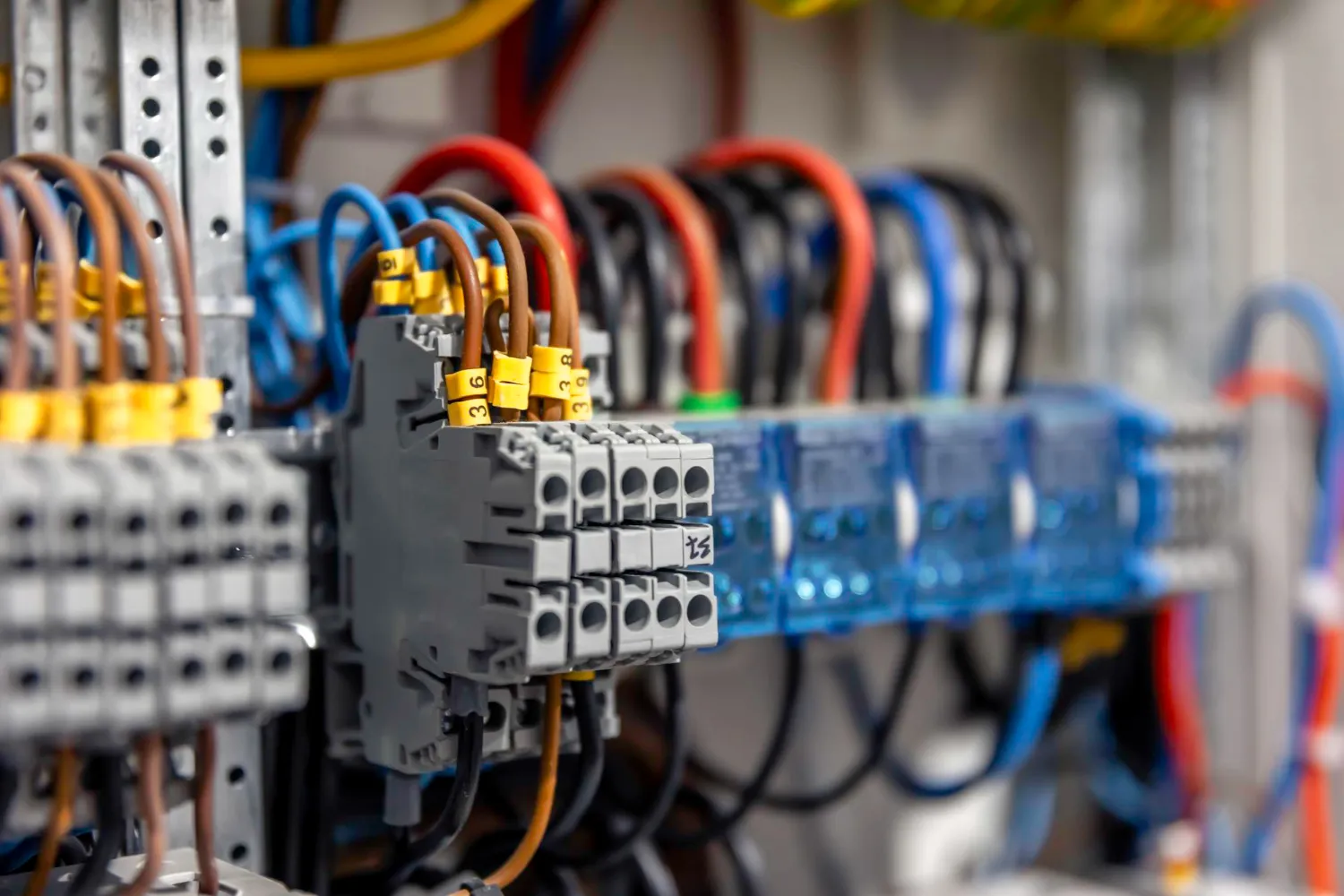
Choosing the right electrical accessories is an important part of planning a safe, practical and well-organised electrical installation. From switches, sockets and connection accessories to mounting boxes, cable management components and protection equipment, each product has a specific role. Selecting suitable electrical accessories can help installers achieve reliable connections, tidy finishes and installations that meet the requirements of the application.
Whether you are working on a domestic property, commercial premises or an industrial environment, the right components need to match the installation, equipment and expected electrical load. Understanding what to look for can make purchasing easier and reduce the risk of choosing products that are unsuitable for the job.
Electrical Accessories for Different Types of Installation
Electrical installations vary considerably, so there is no single accessory that works for every situation. The environment, electrical requirements, installation method and intended use should all be considered before selecting products.
For a typical domestic installation, accessories may include:
- Switches and sockets
- Pattresses and mounting boxes
- Cable management products
- Connection accessories
- Fuses and replacement components
- Installation and wiring accessories
Commercial and industrial projects can require a broader selection of electrical products, particularly where installations involve larger loads, multiple circuits or specialist equipment.
It is also important to consider where an accessory will be installed. Products intended for indoor use may not be suitable for areas exposed to moisture, dust or physical impact. Checking the product specification before purchase helps ensure the accessory is appropriate for its intended environment.
How to Choose the Right Electrical Accessories
The correct electrical accessories should be selected according to the requirements of the installation rather than appearance or price alone. Several factors can influence whether a particular product is suitable.
1. Check compatibility
Make sure the accessory is compatible with the existing wiring, equipment, mounting arrangement and electrical system. This is particularly important when replacing an existing component.
2. Consider the installation environment
A product used inside a dry residential room may have different requirements from one installed in a garage, workshop, outdoor area or commercial premises.
3. Check ratings and specifications
Look at relevant ratings, dimensions, materials, connection types and other technical information. Electrical accessories should be capable of handling the requirements of the circuit or equipment where they will be installed.
4. Think about installation method
Some products are designed for specific mounting arrangements or wiring configurations. Confirm measurements and compatibility before ordering to avoid unnecessary modifications during installation.
5. Consider the complete installation
Accessories should work together as part of the wider electrical system. A switch, socket, mounting box or protective component should not be considered in isolation.
Electrical Accessories and Electrical Product Standards
Safety should remain a key consideration when purchasing electrical accessories. Products used in UK installations need to be appropriate for their intended application and should have relevant specifications and conformity information.
Understanding electrical product standards can also help buyers make more informed decisions when purchasing electrical equipment. Product information should provide sufficient details about the intended use, ratings and relevant compliance requirements.
When buying online, avoid selecting a product based solely on photographs or a short description. Technical specifications are particularly important for electrical equipment because two products that look similar can have different ratings, dimensions or installation requirements.
Before purchasing, check:
- Product ratings and specifications
- Intended application
- Dimensions and mounting requirements
- Manufacturer information
- Relevant conformity or compliance details
- Installation instructions where applicable
Electrical Accessories for Commercial and Larger Installations
Commercial installations often require a wider range of electrical accessories and supporting equipment than a standard domestic project. Offices, retail premises, warehouses, workshops and other commercial buildings may have multiple circuits, higher electrical demands and specific protection requirements.
In these environments, product selection needs to consider the overall distribution system. Components such as circuit protection, consumer units, mounting accessories, switches, sockets and cable management products may all form part of the installation.
For projects requiring distribution equipment, Commercial Consumer Units UK can be considered alongside other electrical components. The appropriate equipment will depend on the circuit arrangement, load requirements and installation design.
Commercial projects may also benefit from planning the accessory requirements before work begins. Creating a product checklist can help installers identify everything needed for the installation and reduce delays caused by missing components.
Electrical Products: Building a Complete Installation
Electrical accessories are only one part of a complete electrical installation. Other electrical products may be required depending on the type and scale of the project.
For example, an installation could involve:
- Wiring and cable products
- Switches and sockets
- Consumer units and distribution equipment
- Circuit protection
- Cable management
- Connection and installation accessories
- Lighting components
- Safety and control equipment
Thinking about the complete system makes it easier to identify compatibility issues before installation begins. It can also help avoid purchasing products that cannot be used with the selected equipment.
For installers, electricians and maintenance teams, keeping commonly required electrical products organised can make routine work more efficient. However, products should still be checked against the specific requirements of each installation rather than automatically using the same components for every project.
Common Mistakes When Choosing Electrical Accessories
Selecting unsuitable electrical accessories can create unnecessary installation problems. Some common mistakes are relatively easy to avoid with a little preparation.
One mistake is failing to check measurements. A mounting box, socket or accessory may look suitable but not fit the intended location. Another is overlooking the operating environment, particularly where products are exposed to moisture, dust or mechanical damage.
Other issues include:
- Choosing a product without checking its electrical rating
- Assuming similar-looking products have identical specifications
- Ignoring mounting or connection requirements
- Buying accessories without considering the rest of the installation
- Focusing only on cost instead of suitability and specifications
- Failing to check manufacturer or compliance information
Reading the product information carefully before ordering can prevent many of these issues.
Why Product Selection Matters for Electrical Installation
The quality and suitability of electrical accessories can influence how an installation performs over time. Properly selected components should be appropriate for their intended application, compatible with the wider system and installed according to relevant requirements.
For homeowners, careful selection can make it easier to understand what is being installed and why. For electricians and contractors, having the correct products available can help keep projects organised and minimise avoidable delays.
It is also worth remembering that electrical work can involve significant safety risks. Where installation, testing or modification requires professional knowledge, work should be carried out by a suitably qualified person and in accordance with applicable UK requirements.
Conclusion: Choosing the Right Electrical Accessories
Finding suitable electrical accessories starts with understanding the installation rather than simply choosing products based on appearance or price. Checking compatibility, ratings, dimensions, environmental conditions and relevant electrical product standards can help ensure each component is appropriate for its intended use.
From everyday wiring accessories to commercial distribution equipment, selecting the right electrical accessories helps create installations that are practical, organised and suitable for their application. Taking time to review product specifications and the requirements of the complete system can make purchasing decisions clearer and help avoid costly installation issues.
Related Reading
Expert Insights: Navigating the Complex World of Home Improvement
Welcome to our in-depth exploration of Home Improvement. In an era defined by ra...
Why Home Improvement is Transforming the Global Industry Landscape
Welcome to our in-depth exploration of Home Improvement. In an era defined by ra...