Spain Bottled Water Industry Expands Amid Demand for Quality and Convenience
8 Views
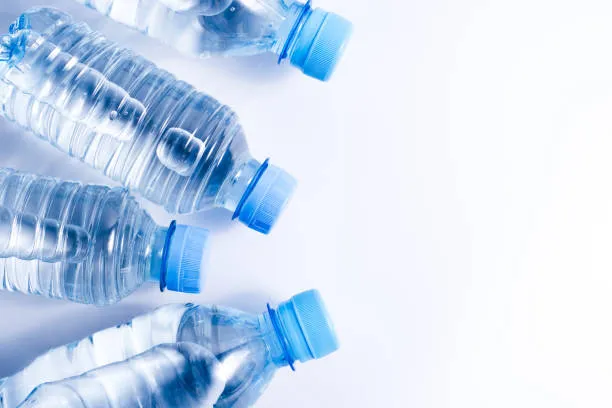
Bottled water is an established part of Spain's beverage sector, supported by consumer demand for convenient hydration, widespread retail availability, and a regulatory framework focused on water quality and consumer safety. The category includes different types of packaged water serving households, hospitality businesses, workplaces, travel, and outdoor consumption.
According to the supplied Vyansa Intelligence analysis, the Spain bottled water sector was valued at USD 4.12 billion in 2025 and is projected to reach USD 5.12 billion by 2032, representing a 3.15% CAGR from 2026 to 2032.
Convenience Supports Bottled Water Consumption
Convenience remains a major characteristic of bottled water. Packaged products can be carried easily and consumed across different locations without preparation. This makes bottled water suitable for travel, work, restaurants, events, outdoor activities, and household consumption.
Different bottle sizes can address different purchasing occasions. Smaller formats support portability, while larger containers can serve households, offices, and shared settings.
For producers, packaging must combine convenience with product protection, storage efficiency, and food-safety requirements.
Water Quality Remains Central
Water quality is fundamental to consumer confidence in bottled water. Spain has specific legislation regulating the exploitation and commercialization of natural mineral water and spring water intended for human consumption.
Spain's Royal Decree 1798/2010 establishes requirements for natural mineral waters and spring waters, including their exploitation, handling, circulation, and commercialization. The regulation also establishes quality specifications and requirements concerning microbiological and chemical characteristics.
This regulatory framework makes quality control an essential part of bottled-water production.
Food Safety Shapes Production
Bottled water companies must maintain appropriate controls across sourcing, production, bottling, storage, transportation, and distribution.
Spain's regulatory framework incorporates requirements designed to protect consumers and maintain the safety and quality of packaged drinking water. Separate legislation also regulates prepared packaged waters for human consumption.
For producers, consistent hygiene and operational controls are therefore important throughout the supply chain.
Packaging Supports Product Protection
Packaging is essential for protecting bottled water from contamination while enabling transportation, storage, retail display, and convenient consumption.
Bottle size, shape, closure, and material can influence usability and consumer perception. Producers must balance these characteristics with applicable requirements for materials intended for food contact.
Packaging can also support brand differentiation through design and product presentation.
Labeling Provides Consumer Information
Labels help consumers identify packaged-water products and understand relevant information about the product and its source.
Spain's legislation specifically establishes requirements concerning the labeling and presentation of natural mineral and spring waters. It also prohibits certain claims or representations that could mislead consumers about characteristics, origin, or health properties.
Clear and accurate labeling is therefore important for both regulatory compliance and consumer understanding.
Product Differentiation Creates Opportunities
Although bottled water is a relatively straightforward beverage category, producers can differentiate products through water source, mineral characteristics, packaging, bottle size, brand positioning, and distribution.
Natural mineral water and spring water are subject to specific regulatory definitions and requirements in Spain, providing a structured basis for product classification.
Manufacturers can use relevant product characteristics to communicate differentiation while ensuring that claims remain accurate and compliant.
Retail Accessibility Supports Demand
Bottled water is available through supermarkets, convenience stores, restaurants, hotels, vending channels, workplaces, and other retail outlets.
This broad distribution structure allows consumers to purchase bottled water for both planned household use and immediate consumption.
Hospitality and tourism can also create important consumption occasions, particularly where consumers seek portable and readily available drinking water.
Sustainability Is Increasingly Relevant
Packaging sustainability is an important consideration for bottled-water producers because the category depends heavily on containers for distribution and consumption.
Companies can consider material efficiency, packaging design, recycling, waste reduction, and transportation efficiency as part of broader sustainability efforts.
At the same time, packaging must maintain the level of protection required to preserve water quality. Environmental considerations therefore need to be balanced with safety, durability, storage, and convenience.
Water Sources Require Consistent Management
Maintaining consistent product quality begins with effective management of water sources. Natural mineral waters and spring waters are subject to requirements concerning their characteristics and handling.
Spain's regulations specify that natural mineral water should maintain its essential composition within the limits of natural fluctuations and establish requirements concerning microbiological and chemical quality.
Careful monitoring and controlled bottling processes can help producers maintain consistent quality.
Digital Channels Expand Consumer Access
Digital retail and online information provide additional ways for consumers to discover and purchase bottled water.
Manufacturers can use digital channels to communicate product characteristics, packaging information, sourcing details, and availability. Online sales can also complement supermarkets and traditional retail outlets.
Accurate digital information is particularly important where consumers use online platforms to compare products before purchasing.
Supply-Chain Efficiency Remains Important
The bottled-water value chain connects water sources, bottling facilities, packaging suppliers, distributors, retailers, hospitality businesses, and consumers.
Efficient coordination can help companies maintain product availability while controlling transportation, storage, and packaging requirements.
Proper handling during transportation and storage is especially important because bottled water must reach consumers in appropriate condition.
Outlook Through 2032
The sector's development will remain connected to demand for convenient hydration, water quality, food safety, packaging, retail accessibility, labeling, and sustainability.
Future opportunities will depend on producers' ability to maintain consistent quality while offering convenient formats and meeting Spain's regulatory requirements.
Overall, water quality, convenience, packaging, labeling, product differentiation, retail accessibility, and sustainability will remain important factors shaping Spain's bottled-water industry through 2032.
Related Reading
Top 10 Hidden Secrets About Business & Finance You Need to Know
Welcome to our in-depth exploration of Business & Finance. In an era defined...
Why Business & Finance is Transforming the Global Industry Landscape
Welcome to our in-depth exploration of Business & Finance. In an era defined...