How to Build a Social Media Strategy That Aligns With Your Business Goals
47 Views
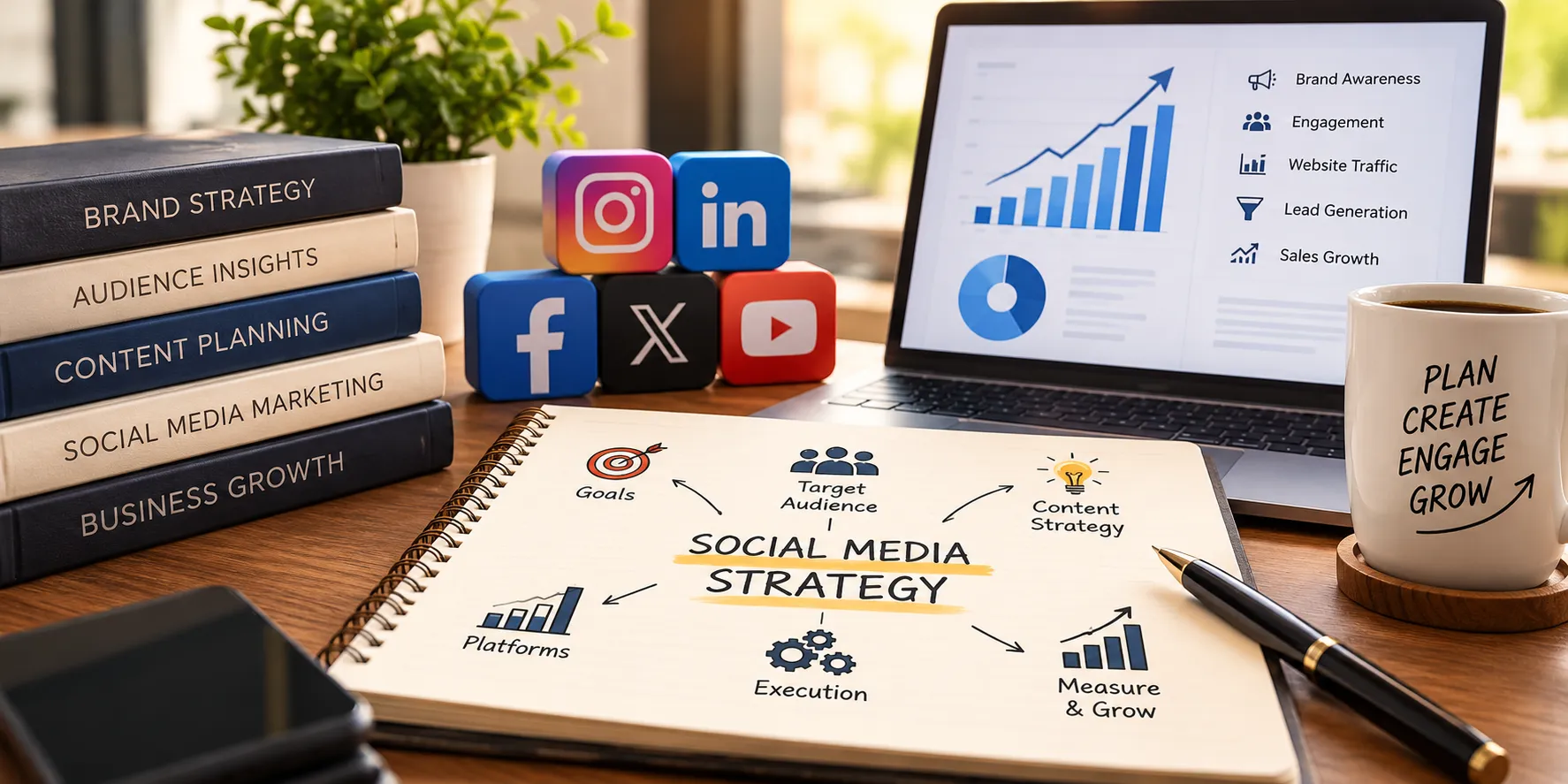
Many businesses treat social media as a daily posting task rather than a growth channel. They publish content, receive a few likes, and wonder why website visits, enquiries, or sales do not improve. The problem is rarely a lack of activity; it is usually a lack of alignment between social media efforts and real business goals.
A strong social media strategy begins with a clear commercial objective. Whether your priority is brand awareness, qualified leads, website traffic, customer loyalty, or sales, every profile, post, and campaign should support that outcome. A social media strategy is essentially a plan for using social platforms to reach specific business objectives, rather than simply chasing followers or engagement.
This is where professional social media optimization services become valuable. With the right SMO approach, businesses can improve visibility, engage the right audience, and turn social activity into measurable results.
How Do You Set Business Goals for Your Social Media Strategy?
Before choosing platforms, designing creatives, or writing captions, define what success means for your business. Social media should not exist only to increase followers; it should contribute to a broader growth plan.
Common business goals include:
-
Brand awareness: Make more potential customers aware of your company, services, and expertise.
-
Lead generation: Generate enquiries, consultation requests, quote submissions, or demo bookings.
-
Website traffic: Bring relevant visitors to service pages, blogs, offers, or landing pages.
-
Customer retention: Strengthen relationships through useful content and responsive engagement.
-
Sales growth: Educate prospects, address objections, and guide them toward a purchase decision.
Each goal requires a different approach. A lead-generation strategy should include service-focused content, client results, and clear calls to action. A brand-awareness strategy may rely more on educational posts, thought leadership, and shareable insights.
Your social media goals should tie directly to business objectives such as revenue, brand awareness, or customer retention. Using the SMART framework specific, measurable, attainable, relevant, and time-bound makes those goals easier to track and improve.
How Can You Identify and Understand Your Target Audience?
Social media works best when it speaks to a specific audience. Trying to appeal to everyone often results in content that connects with no one. Instead, create a simple profile of your ideal customer.
Consider:
-
Who they are: their industry, location, role, business size, or interests.
-
The problems they face and the outcomes they want.
-
The questions they ask before choosing a service provider.
-
The platforms they use most often.
-
The action you want them to take after seeing your content.
For example, a business owner searching for social media support is usually not simply looking for “more posts.” They want a structured way to improve online visibility, engage potential customers, and generate measurable business growth. Content for this audience should focus on strategy, consistency, lead generation, and return on investment—not just trends.
Understanding where your audience spends time, what they expect from brands, and how they use social media to research products or services helps you choose the right platforms and content style.
How Do You Audit Your Existing Social Media Presence?
Before building a new strategy, review what you already have. A social media audit identifies what is working, what needs improvement, and where opportunities exist.
Evaluate:
-
Whether your profiles clearly explain who you help and what you offer.
-
The quality and consistency of your visuals, captions, and branding.
-
Which posts generate the most engagement, clicks, messages, or enquiries.
-
Whether your followers match your ideal customer profile.
-
How easily users can move from your profile to your website or contact page.
-
What competitors are doing well and where your brand can stand out.
This step prevents businesses from repeating ineffective tactics. It also creates a baseline for measuring future growth. A professional SMO process commonly begins with an audit to assess current performance and identify practical opportunities for improvement.
Which Social Media Platforms Should Your Business Focus On?
You do not need to be active on every social media platform. In fact, spreading efforts too thin often reduces quality and consistency. Choose two or three platforms where your audience is active and where your business can maintain a strong presence.
For many B2B service businesses, LinkedIn is effective for building authority, sharing insights, and connecting with decision-makers. Instagram works well for visual storytelling, reels, community engagement, and local visibility. Facebook remains useful for local businesses, groups, events, and paid advertising. YouTube is valuable for tutorials, explainers, and long-form educational content.
The best platform is not necessarily the most popular one. It is the platform where your ideal customers spend time and where your content can naturally support their buying journey.
How Do You Create a Social Media Content Plan That Supports Business Goals?
Random posting creates noise. A content plan ensures that every piece of content has a purpose and supports a stage of the customer journey.
A balanced content mix may include:
-
Educational content: Answer common questions, share tips, explain services, and simplify complex topics.
-
Trust-building content: Share testimonials, reviews, case studies, client wins, and behind-the-scenes insights.
-
Engagement content: Ask questions, run polls, respond to comments, and encourage conversation.
-
Promotional content: Highlight services, offers, events, launches, and clear calls to action.
-
Brand content: Show your team, values, process, and company culture.
The most effective brands identify specific goals, create valuable posts that align with those goals, and distribute the right content on the right platforms. A useful starting point is to focus most content on education and trust, while using a smaller portion for direct promotion. People are more likely to engage with a brand when it consistently provides value before asking for something in return.
How Can You Turn Social Media Engagement Into Business Results?
Likes and comments are useful indicators, but they should not be the final goal. Social media should create a path from attention to action.
Make sure every profile includes:
-
A clear bio explaining who you serve and what you offer.
-
A visible link to your website, booking page, or lead magnet.
-
Contact options that make enquiries easy.
-
Calls to action that match the purpose of each post.
-
A process for responding quickly to comments and direct messages.
Community management is especially important. Replying to questions, acknowledging feedback, and participating in relevant conversations builds trust. Over time, consistent interaction can turn casual followers into enquiries—and enquiries into customers.
How Can Paid Social Media Campaigns Support Your Business Goals?
Organic social media builds credibility and long-term visibility, but paid campaigns can accelerate results when managed properly. Instead of boosting posts randomly, use paid social media to support a specific goal, audience, and offer.
Effective paid campaigns should include:
-
A defined objective, such as lead generation, website traffic, or conversions.
-
Audience targeting based on location, interests, behavior, or lookalike audiences.
-
Multiple creative variations to test headlines, visuals, and offers.
-
A dedicated landing page that matches the advertisement’s message.
-
Tracking for cost per lead, click-through rate, conversions, and return on ad spend.
Paid social works best when it amplifies content that already performs well organically. It should support your strategy, not replace it.
Which Social Media Metrics Should You Track to Measure Success?
To know whether your strategy is working, track metrics connected to business outcomes.
Important metrics include:
-
Reach and impressions for awareness.
-
Engagement rate for content relevance.
-
Link clicks and website sessions for traffic.
-
Leads, enquiries, bookings, or sales for conversions.
-
Cost per lead and return on ad spend for paid campaigns.
-
Response time and audience sentiment for customer experience.
Review performance regularly and adjust based on evidence. If educational posts generate the most enquiries, create more of them. If one platform consistently drives better leads, invest more time and budget there. A complete social strategy should include goal setting, audience research, content planning, engagement, paid promotion, and measurement.
How Can You Build a 90-Day Social Media Action Plan?
A practical way to begin is with a 90-day plan:
-
Days 1–15: Define goals, identify your audience, audit profiles, and select priority platforms.
-
Days 16–30: Optimize bios, visuals, links, content pillars, and posting schedule.
-
Days 31–60: Publish consistently, engage with your audience, test formats, and launch one focused campaign.
-
Days 61–90: Review results, refine messaging, scale successful content, and improve conversion paths.
This approach turns social media from an inconsistent activity into a repeatable system.
When Should You Consider Professional Social Media Optimization Services?
Building and managing an effective social media strategy takes time, creativity, and consistent analysis. For busy business owners, professional SMO support provides the structure needed to stay consistent while focusing on strategy and results.
Web Glaze Services offers social media optimization services that include audits, content creation, community management, paid campaign planning, influencer marketing, and performance reporting. Its approach focuses on customized strategies aligned with each business’s goals, whether the priority is visibility, traffic, engagement, or lead generation.
If you want social media to support real business growth, start with clear goals, understand your audience, publish purposeful content, and measure what matters. To learn how a structured strategy can improve your online presence, explore Our Social Media Optimization services and book a consultation today.