Smarter Replenishment Planning for CPG Brands
23 Views
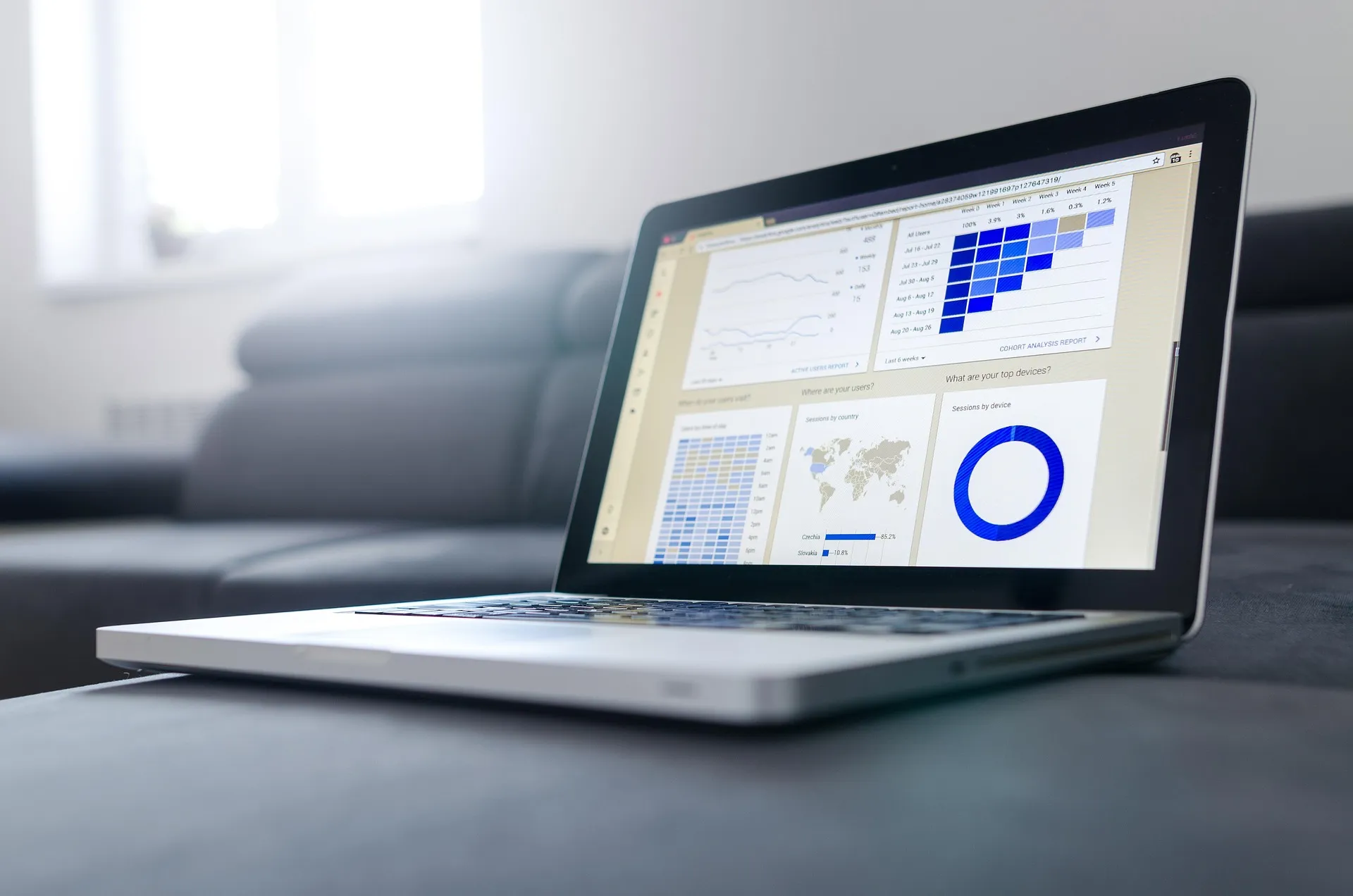
Consumer packaged goods (CPG) businesses must maintain the right inventory levels to meet customer demand while avoiding overstocking and unnecessary operational costs. Changing buying patterns, seasonal fluctuations, and complex supply chains can make replenishment challenging. Modern replenishment planning software helps businesses improve inventory visibility, anticipate stock requirements, and make more informed supply decisions.
True Gradient AI supports data-driven planning approaches that help consumer brands connect demand forecasts, inventory information, and replenishment decisions. By improving coordination across planning activities, businesses can work toward more efficient inventory management and better product availability.
What Is Replenishment Planning Software?
Replenishment planning software helps businesses determine when and how much inventory to reorder or redistribute. It uses information such as demand forecasts, current stock levels, supplier lead times, and inventory policies to guide replenishment decisions.
Instead of depending entirely on manual spreadsheets, planning teams can use centralized data to identify potential shortages and excess inventory.
Important capabilities may include:
- Inventory monitoring across multiple locations
- Demand forecasting and stock requirement analysis
- Reorder recommendations based on planning rules
- Supplier lead-time tracking
- Safety stock management
- Exception alerts for potential shortages
- Scenario analysis for changing demand conditions
These capabilities help businesses create a more structured replenishment process and respond to inventory challenges before they disrupt operations.
Understanding Automated Replenishment CPG
Automated replenishment CPG refers to using technology and predefined business rules to streamline inventory replenishment across consumer goods supply chains. The objective is to reduce repetitive manual work while making replenishment decisions more consistent and responsive to changing conditions.
For example, a food and beverage company may experience higher demand during holidays or promotional campaigns. An automated replenishment process can use updated demand signals and inventory information to identify when additional stock may be required.
Automation can help CPG businesses:
- Reduce the risk of stockouts
- Improve inventory availability
- Minimize excess stock and waste
- Coordinate replenishment across distribution locations
- Respond more quickly to demand fluctuations
- Give planning teams more time for strategic decisions
However, automation works best when supported by reliable data, appropriate inventory policies, and regular performance monitoring.
How AI Improves Replenishment Decisions
Artificial intelligence can strengthen replenishment planning by analyzing demand patterns, identifying changes in purchasing behavior, and helping planners evaluate different inventory scenarios.
When replenishment planning software incorporates accurate demand forecasts and current supply information, businesses can make better-informed decisions about reorder quantities and timing. This is particularly valuable for CPG companies managing products with different shelf lives, sales patterns, and supplier constraints.
True Gradient AI emphasizes connected, data-driven planning that helps consumer brands understand demand and inventory requirements more clearly. Integrating these insights into replenishment workflows can support better coordination between demand planning, inventory management, and supply operations.
Best Practices for Effective Replenishment
Businesses can improve replenishment performance by following several practical steps:
- Maintain accurate inventory and product data.
- Review demand forecasts regularly.
- Set appropriate safety stock levels for different products.
- Monitor supplier lead times and delivery reliability.
- Track stockout rates, inventory turnover, and excess inventory.
- Review automated recommendations when unusual conditions arise.
These practices help ensure that technology supports business requirements rather than simply automating existing inefficiencies.
Conclusion
Effective replenishment is essential for maintaining product availability and managing inventory efficiently. Replenishment planning software provides greater visibility into stock requirements, while automated replenishment CPG processes can reduce manual effort and support timely inventory decisions.
With True Gradient AI, consumer brands can explore more connected, data-driven planning approaches to improve replenishment visibility, respond to demand changes, and build more resilient supply chain operations.