Smart Packaging Tips for Safer Deliveries Every Time
76 Views
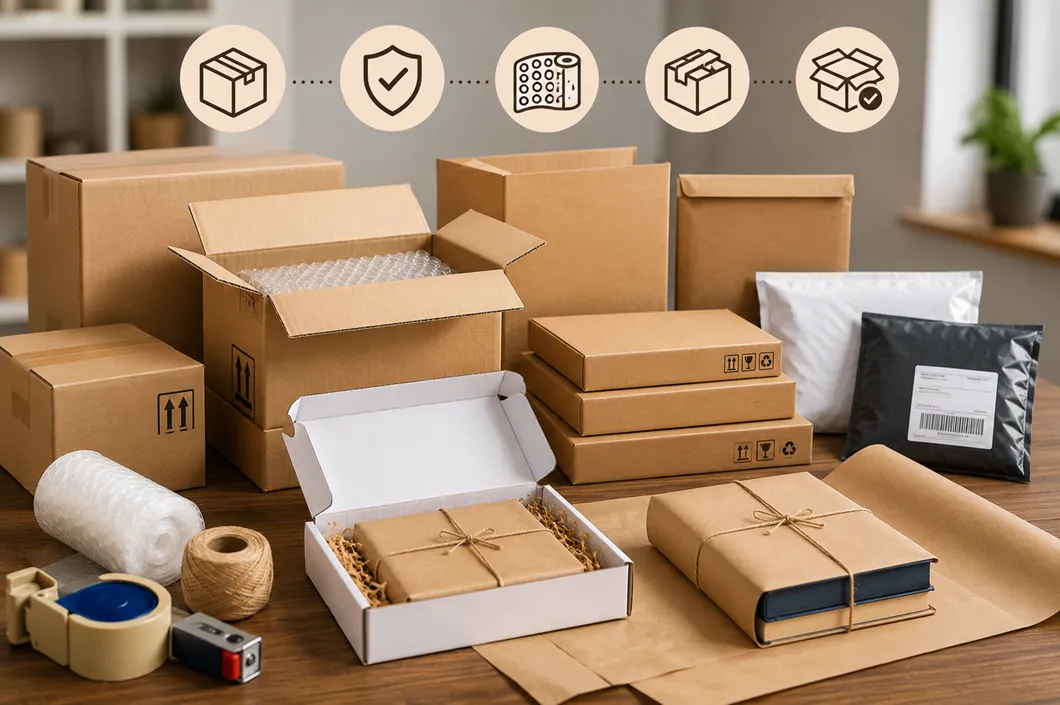
You've packed the order, sealed the box and booked the courier. Job done? Not quite.
The way you pack a parcel often determines whether it arrives in perfect condition or is returned. A damaged delivery doesn't just cost money. It also costs time, customer trust and extra effort. The good news is that avoiding most of these problems is surprisingly simple. It starts with choosing the right packing materials from the beginning.
One mistake happens more often than people realise. The box is too big.
When an item has room to slide around, it is far more likely to get damaged during transport. That's why choosing the right cardboard boxes should always be your first step. A box that fits well usually requires less filler and provides better support for the product throughout its journey.
A framed print, a candle and a notebook all need different protection. Packing them in the same style of box rarely works well.
For slimmer products, postal boxes offer a practical solution because they keep items secure without adding unnecessary bulk. The closer the packaging matches the product, the better the parcel usually performs during delivery.
Anyone who has received a book with bent corners knows how disappointing it feels.
That is exactly why envelope boxes and book wraps are worth using for flat products. They hold items firmly in place instead of allowing them to move inside the package. It is a small change, but it often prevents the kind of damage customers notice first.
Even a strong box cannot stop products knocking against each other.
Wrapping delicate items before placing them in the parcel adds another layer of defence. A good-quality parcel wrap also helps protect surfaces from scratches, dust and light handling marks while the parcel moves through sorting centres and delivery vehicles.
If you hear something moving when you gently shake a parcel, there is usually a problem.
Empty spaces should be filled with suitable cushioning so the contents stay where they belong. Recycled paper, honeycomb paper and other paper-based fillers all do the job well while creating less waste than many traditional alternatives.
Before the parcel leaves your packing bench, take thirty seconds to check a few basics.
- Is the box the right size?
- Is the product secure?
- Have empty spaces been filled?
- Is every edge sealed properly?
- Is the delivery label easy to read?
Those few seconds can prevent hours of dealing with damaged orders later.
Good packaging is not about using more materials. It is about using the right ones. When every product is packed with care, fewer parcels arrive damaged, customers are happier, and unnecessary waste is reduced. The best packing process is usually the simplest one—choose wisely, pack carefully and let the packaging do the hard work.
Related Reading
Top 10 Hidden Secrets About Business & Finance You Need to Know
Welcome to our in-depth exploration of Business & Finance. In an era defined...
Why Business & Finance is Transforming the Global Industry Landscape
Welcome to our in-depth exploration of Business & Finance. In an era defined...