Single Layer Graphene Oxide for Research - Buying Guide
By Logan Smith
152 Views
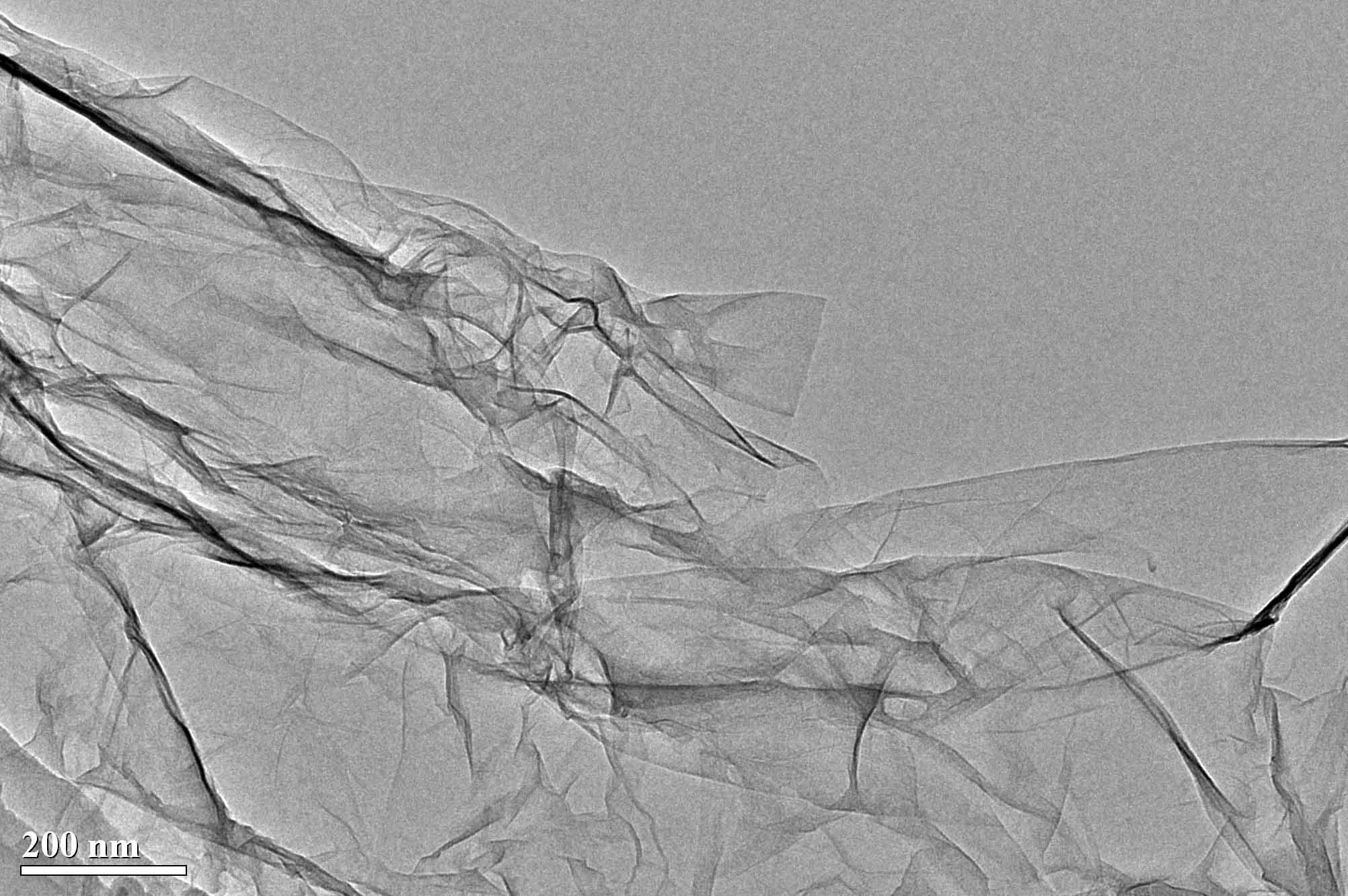
Research labs now use advanced carbon materials in many industries. These materials support work in batteries, sensors, coatings, electronics, membranes, and biomedical systems. Among them, single-layer graphene oxide has become one of the most important materials for modern research.
Scientists prefer this material because it is thin, flexible, and easy to process. It also mixes well with water and many chemical systems. Because of this, researchers can use it in many different applications without major difficulty.
However, choosing the right material is not always simple. Many graphene products may look similar, but their quality can vary greatly. Small differences in thickness, purity, flake size, and oxidation level can affect research results.
For this reason, researchers should study the material carefully before buying it. A good material choice can improve testing accuracy and reduce problems later during experiments.
What Is Single-Layer Graphene Oxide?
Single-layer graphene oxide is made from one thin carbon sheet. Oxygen-containing groups attach to its surface during processing. These groups improve water solubility and help the material bond more easily with other compounds.
The material also has a large surface area. This helps improve chemical interaction during testing and processing. Compared to thicker graphene materials, single-layer graphene usually exhibits more stable and uniform behavior.
Researchers use this material in coatings, conductive films, membranes, sensors, batteries, and biomedical systems. The thin structure also supports flexibility and easier surface modification. Because of these advantages, many laboratories now use this material in advanced nanoscale research.
Why Material Quality Matters?
Material quality strongly affects research performance. A battery project may need stable conductivity and strong charge transfer. Meanwhile, a biomedical study may focus more on purity and safe chemical interaction.If the material quality changes between batches, the research results may also change. This creates problems during repeat testing and long-term projects.
Low-quality products may contain metal residues, unstable dispersions, or unwanted multilayer particles. These problems can reduce conductivity and weaken overall performance.Because of this, researchers should always review technical details carefully before placing an order. Good-quality material usually gives more stable and reliable results.
Thickness Is Very Important
Thickness is one of the most important factors in graphene research. Single-layer materials provide better surface exposure than multilayer structures. This often improves conductivity and coating quality.
Reliable suppliers usually confirm thickness through microscopy analysis and characterization reports. Researchers should review this information carefully before purchasing material.
Without proper testing, some products sold as single-layer material may actually contain multiple layers. This can reduce flexibility and change electrical behavior. For sensitive applications, accurate thickness control becomes very important.
Why Purity Should Never Be Ignored?
Purity matters greatly in scientific research. Even small contamination levels can affect electrical, thermal, and biological performance.
- Metal residues and chemical byproducts may interfere with experiments, especially in electronic and biomedical systems.
- Researchers should always check whether the supplier provides proper purity reports and technical documentation.
- High-purity materials may cost more at first. However, they often reduce testing problems and improve repeatability later.
Because of these, many laboratories prefer high-quality material even when the price is higher.
Understanding Oxygen Content
Oxygen-containing groups give this material many useful properties. They improve water dispersibility and support chemical bonding with other materials.
However, oxygen content also affects conductivity. Higher oxidation levels usually improve water interaction. Lower oxidation levels may improve electrical performance instead.
Because of this, researchers should choose oxidation levels according to their project needs.
For example, filtration systems may require stronger water interaction. Conductive coatings may need faster electron movement instead.
Choosing the wrong oxidation level can reduce final performance.
Dispersion Quality Matters During Processing
Dispersion quality plays a major role in laboratory work. Poor dispersions can cause particles to stick together. This may create rough coatings and uneven films.
Many laboratories now prefer liquid dispersions because they simplify preparation work. However, stability still remains important. A good dispersion should stay smooth without heavy settling or large particle clusters. Researchers should also confirm solvent compatibility before starting experiments.
Stable dispersions usually improve coating quality and testing consistency. Because of this, researchers should never ignore dispersion behavior when selecting material.
Different Projects Need Different Material Properties
Each research field needs different material behavior. Battery systems often require strong conductivity and stable electrochemical performance.
Sensor systems usually need high surface area and uniform nanosheet structures. Biomedical applications often focus more on purity and stable dispersions.
Membrane systems may require strong water interaction and smooth film formation. Because every project has different goals, researchers should avoid using the same material grade across applications. Instead, they should select materials according to the final research purpose.
Choosing the Right Supplier
Choosing a trusted supplier is just as important as choosing the material itself. A reliable graphene oxide supplier should provide detailed technical information and stable batch quality. Researchers should look for suppliers that provide:
- thickness data
- purity reports
- flake size information
- dispersion details
- characterization reports
Technical support also matters greatly. Some suppliers help researchers select the best material for specific applications.
Strong manufacturing control usually improves consistency between batches. This becomes very important in long-term research projects.
Common Buying Mistakes
Many researchers focus only on low pricing. However, cheaper products often create larger problems later.
Poor dispersions, unstable thickness, and low purity may reduce research quality and create testing difficulties. Another common mistake involves ignoring flake size and oxidation level. These properties strongly affect conductivity and coating behavior.
Some laboratories also skip dispersion testing before starting experiments. This may create unstable films and uneven performance. Researchers should focus more on quality and repeatability instead of price alone.
Storage and Handling Tips
Proper storage helps preserve material quality. Dry powder should remain sealed and protected from moisture.
Liquid dispersions should stay tightly closed to reduce contamination and evaporation. Gentle sonication may improve dispersion before use. However, excessive sonication can damage nanosheets and reduce structural quality.
Researchers should also avoid unnecessary exposure to extreme temperatures unless the project specifically requires it. Clean laboratory handling practices improve repeatability and reduce contamination risks.
Future Outlook
Research demand for graphene-based materials continues to grow quickly. Scientists now study these materials in flexible electronics, advanced batteries, smart coatings, aerospace systems, and biomedical technologies. As production methods improve, researchers may gain access to more stable and scalable material grades.
Better manufacturing control may also improve consistency across commercial products. Research involving single-layer graphene will likely continue expanding over the next few years as nanotechnology keeps advancing.
Conclusion
Single-layer graphene oxide remains one of the most important materials in modern nanotechnology research.
Its thin structure, strong surface chemistry, and flexible processing behavior support many advanced applications.
However, research success depends heavily on material quality. Thickness, purity, oxidation level, flake size, and dispersion stability all influence final performance.
Researchers should review technical specifications carefully and work with reliable suppliers that provide strong technical documentation and stable manufacturing quality.
As nanotechnology continues to advance, high-quality graphene materials will remain valuable tools for future scientific innovation.