Why Short-Drama Viewers Cannot Find the Next Episode: Fixing Search, Catalog, and Watchlist Problems
By julia
31 Views
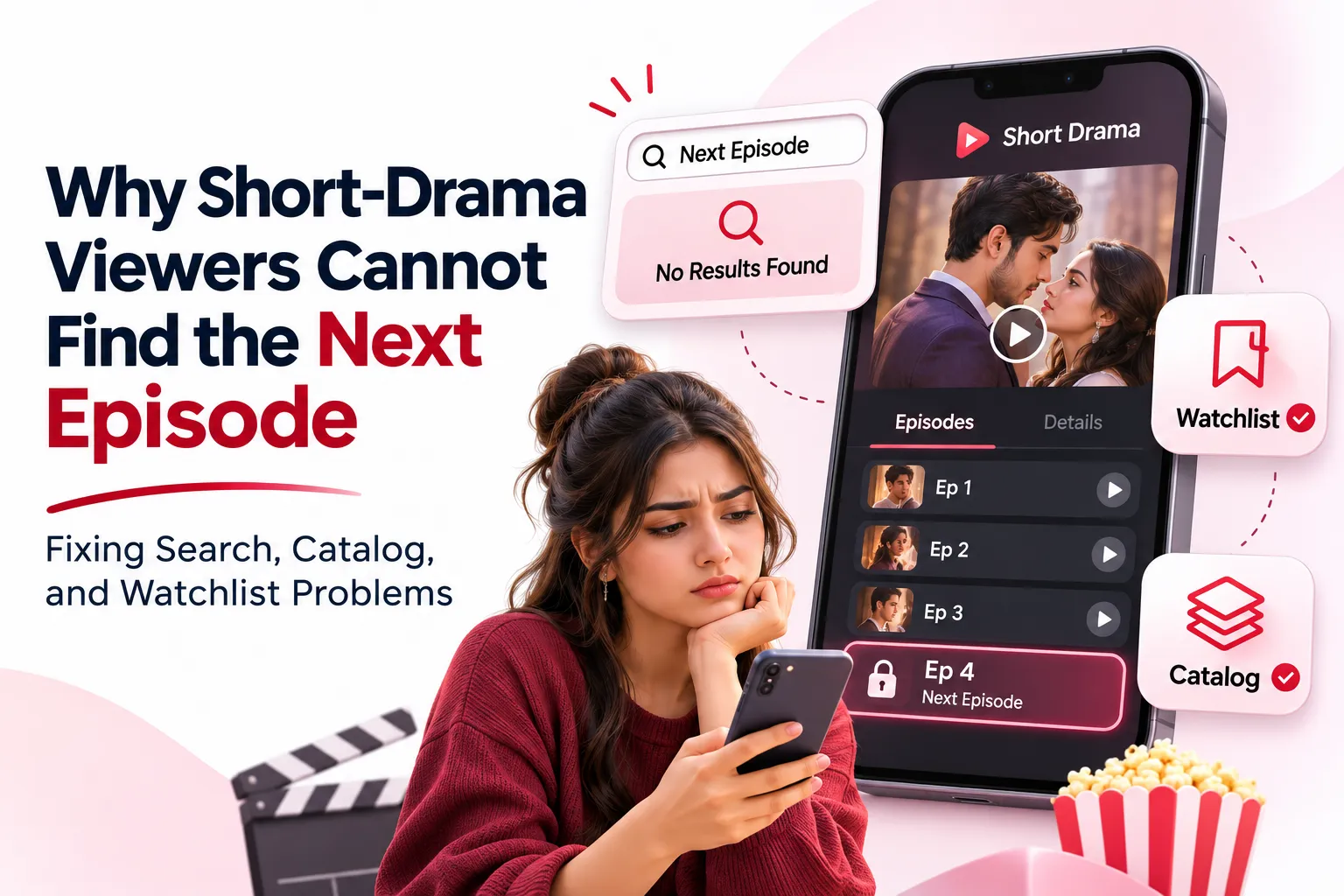
Short-drama entertainment depends on continuous storytelling. Viewers discover an interesting series, watch several short episodes, and expect to continue the story without unnecessary interruptions.
However, many video platforms struggle with content organization. Users may encounter incorrect episode sequences, missing titles, confusing search results, or watchlists that fail to save their progress.
These problems create frustration even when the content itself is engaging.
For entrepreneurs exploring a MoboReels-style short-drama platform, well-organized catalogs and reliable episode discovery are essential to the viewing experience.
This article examines how better search functionality, episode management, watchlists, and content organization can help entertainment businesses improve viewer satisfaction and retention.
Why Episode Discovery Matters in Short-Drama Streaming
Unlike standalone videos, short-drama episodes depend on a continuing narrative.
A viewer watching episode seven expects episode eight to appear next.
When the application displays an incorrect episode or fails to remember previous activity, the viewing experience becomes disconnected.
These issues can reduce episode completion and discourage viewers from returning.
For platform operators, accurate episode discovery also supports content monetization because viewers must locate the correct episodes before purchasing access or completing a series.
A structured content library therefore plays an important role in both user experience and commercial performance.
1. Poor Search Results Prevent Viewers From Finding Series
Search is one of the most important discovery features in an entertainment application.
Users may search by drama title, character name, genre, or keywords associated with a storyline.
When search results return unrelated content or fail to recognize a title, viewers may abandon their search.
Improve Title and Keyword Matching
A search system should recognize complete titles and relevant alternative names.
For example, a drama may have an original title, a translated title, and a promotional title.
Where appropriate, these variations should be linked to the same catalog record.
This helps viewers locate content even when they remember a different version of the name.
Handle Empty Search Results
An empty search screen should not become a dead end.
Platforms can display related genres, popular series, or suggestions for correcting search terms.
A useful empty-state message explains that no matching title was found without misleading viewers about content availability.
Support Genre-Based Search
Filters for romance, suspense, fantasy, comedy, and other categories can help viewers narrow their choices.
The goal is to reduce the effort required to find relevant entertainment.
2. Incorrect Episode Numbering Creates Confusion
Episode ordering directly affects storytelling continuity.
Problems arise when administrators upload episodes in the wrong sequence or change a series without updating its numbering.
A viewer might finish episode four and unexpectedly receive episode six.
Maintain Structured Episode Records
Every episode should belong to a specific series and include essential information such as its number, title, duration, and availability.
These records should be managed centrally rather than independently across different applications.
Prevent Duplicate Episode Positions
Platforms should validate episode numbering before publishing.
Duplicate numbers and missing sequence values should trigger administrative warnings.
Test Episode Reordering
Content operators may need to change an episode sequence after publication.
Reordering should preserve the relationship between episode records, purchase entitlements, and playback progress wherever possible.
These checks help prevent users from losing access to previously unlocked content.
3. Watchlist Problems Reduce Returning Viewer Engagement
A watchlist allows viewers to save interesting series for later.
This is particularly useful when audiences discover multiple dramas but cannot watch all of them immediately.
Make Saving Content Simple
Users should be able to add or remove a series from their watchlist with minimal effort.
The saved status should remain visible across relevant screens.
Synchronize Watchlists Across Devices
A viewer who saves a drama on a mobile phone may expect to find it when using the web application.
Account-based synchronization can support this experience.
However, developers must handle conflicting updates and temporary connectivity problems.
Distinguish Saved and Completed Content
A useful watchlist can differentiate between series users intend to watch, currently watching titles, and completed dramas.
These distinctions help viewers manage their entertainment preferences.
4. Continue-Watching Features Prevent Lost Progress
Continue-watching functionality reduces the effort required to resume an unfinished series.
Without it, viewers may need to search manually for the last episode they watched.
Preserve Playback Position
The application should remember the last meaningful playback position and associated episode.
Progress data should be updated at appropriate intervals without generating unnecessary database requests.
Handle Interrupted Sessions
Mobile applications may close because of incoming calls, network problems, or device limitations.
The platform should restore progress reliably after these interruptions.
Avoid Recommending Completed Episodes
If a viewer has already completed an episode, the continue-watching interface should ordinarily direct them toward the next available episode.
Clear replay controls can remain available for users who intentionally want to watch earlier content.
5. Catalog Organization Improves Content Discovery
A growing entertainment library requires more than an alphabetical list of videos.
Platforms need structured categories, accurate metadata, and consistent publishing workflows.
Organize Titles by Genre
Genre-based collections help viewers discover stories matching their interests.
Each series should use relevant category labels rather than unrelated promotional keywords.
Display Accurate Series Information
Useful metadata includes episode count, language, genre, synopsis, and availability.
If a series remains unfinished, the interface should not incorrectly describe it as complete.
Separate Trailers From Main Episodes
Trailers help viewers decide whether to begin a drama.
However, promotional videos should be clearly identified to prevent confusion with numbered story episodes.
6. Personalization Should Support Discovery, Not Replace Navigation
Personalized recommendations can introduce viewers to relevant entertainment.
However, recommendations should complement reliable search, categories, and watchlists.
Businesses exploring a white-label short-video platform can apply similar discovery principles to creator videos, entertainment clips, and personalized vertical-video feeds.
Use Meaningful Preference Signals
Viewing history, followed creators, selected genres, and explicit preferences may help recommend relevant content.
Avoid Repetitive Recommendations
Displaying the same titles repeatedly can make a catalog feel smaller than it actually is.
Recommendation systems should balance familiar interests with new content discovery.
Give Users More Control
Features such as hiding unwanted content, selecting preferred genres, and managing watch history can improve relevance.
7. Administrative Catalog Management Is Equally Important
Viewers experience the results of catalog management, even though they never interact with the administrative dashboard.
Operators need practical tools for publishing titles, uploading episodes, editing metadata, and managing content availability.
Important administrative capabilities include:
-
Series and episode management.
-
Genre and category organization.
-
Subtitle and language metadata.
-
Episode sequence validation.
-
Publication scheduling.
-
Content availability controls.
Administrative changes should be tested to ensure they appear correctly across supported devices.
8. Metrics That Reveal Discovery and Navigation Problems
Founders should measure more than total video views.
Useful indicators include:
Search Success Rate: How often viewers find and open relevant content after searching.
Empty Search Rate: The percentage of searches returning no results.
Episode Continuation Rate: The percentage of viewers who begin the next episode.
Watchlist Return Rate: How often users return to titles they previously saved.
Continue-Watching Success: Whether viewers successfully resume their intended content.
Catalog Exit Rate: The percentage of browsing sessions ending without playback.
These metrics help identify where the discovery experience needs improvement.
9. A Practical Roadmap for Improving Episode Discovery
Entertainment businesses can improve catalog usability through a structured process.
Phase 1: Audit Search Behavior
Review popular search terms, empty results, incorrect matches, and abandoned searches.
Phase 2: Validate Episode Structure
Check episode numbering, missing content, duplicate records, and incorrect playback sequences.
Phase 3: Improve Watchlists and Progress
Make saved titles accessible and ensure playback progress survives interrupted sessions.
Phase 4: Organize the Content Library
Introduce accurate categories, meaningful metadata, language information, and clear series status labels.
Phase 5: Measure Improvements
Compare search success, episode continuation, and returning viewer behavior before and after changes.
Use the findings to prioritize further improvements.
Conclusion
Successful short-drama streaming experiences depend on more than attractive video content.
Viewers must be able to discover relevant series, follow the correct episode sequence, save interesting titles, and continue watching without confusion.
Reliable search, structured catalogs, watchlist synchronization, and accurate playback progress can remove unnecessary friction from the entertainment journey.
For businesses developing episodic entertainment or short-video communities, these capabilities provide an important foundation for user satisfaction and sustainable engagement.
By prioritizing content accessibility and measurable usability improvements, platform owners can create viewing experiences that encourage audiences to return for the next episode.