Septic Inspection in Coatesville, PA: What Inspectors Look For Before You Buy or Sell
By Tri County
63 Views
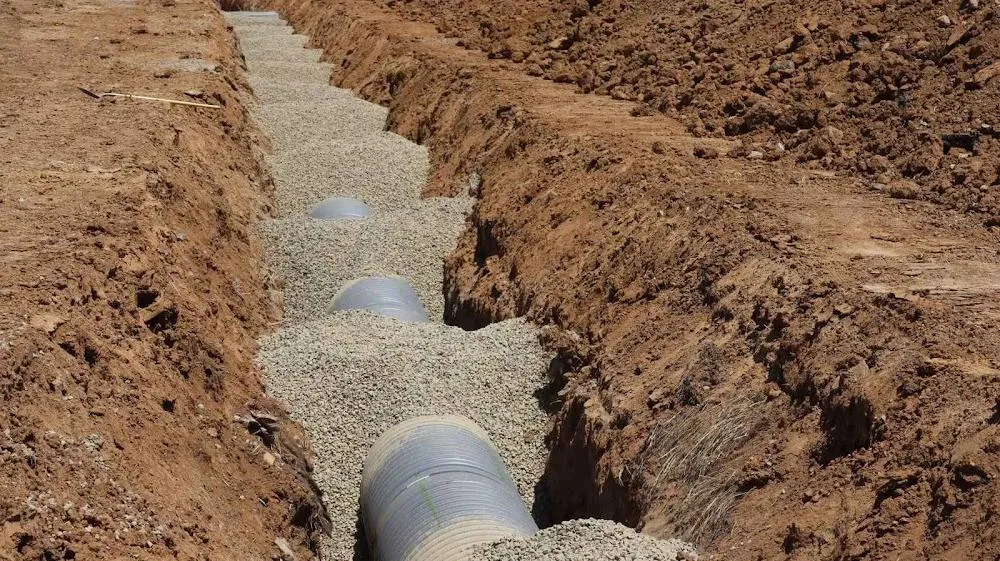
Buying or selling a home with a septic system comes with an extra step that homes on public sewer never have to worry about. A septic system that's failing, undersized, or poorly maintained can become a major expense for whoever owns the home next — which is exactly why a septic inspection in Coatesville, PA is one of the most important parts of any real estate transaction involving a private system.
Whether you're a buyer trying to avoid an unpleasant surprise or a seller who wants to get ahead of problems before they complicate negotiations, here's what a septic inspector actually checks, how the process works, and what happens if something turns up.
Why a Septic Inspection Matters in a Home Sale
A septic system is entirely the homeowner's responsibility — there's no city crew coming out to fix a failing drain field. If something goes wrong, the repair or replacement cost lands on the property owner, and that can range from a minor fix to tens of thousands of dollars for a full system replacement.
A septic inspection gives buyers and sellers a clear, documented picture of the system's condition before the sale closes. For buyers, it's protection against inheriting someone else's deferred maintenance. For sellers, it's a chance to address issues on their own terms instead of having them surface during negotiations. Many mortgage lenders and municipalities in Chester County also require a septic inspection as part of closing, so it's rarely optional in practice.
What Inspectors Actually Look For
A thorough septic inspection covers the entire system, not just the tank.
Tank condition and structure. Inspectors check the tank for cracks, corrosion, or other structural damage and confirm it's watertight. They'll also verify the tank size is appropriate for the home's bedroom count and expected water usage.
Sludge and scum levels. Using a measuring tool, the inspector checks how much sludge has settled at the bottom of the tank and how much scum has built up at the top. This shows whether the tank has been pumped on a reasonable schedule or is overdue — a strong indicator of overall maintenance history.
Baffles and inlet/outlet pipes. Baffles control wastewater flow in and out of the tank and keep solids from escaping into the drain field. A broken or missing baffle is one of the most common causes of early drain field failure, so inspectors check that these are intact and functioning correctly.
Drain field condition. The inspector looks for signs of saturation, ponding, or unusually lush vegetation, all of which suggest the field isn't absorbing wastewater properly. They'll also check for construction, pavement, or tree roots that may have compromised the field over time.
Distribution box, if present. On systems with a distribution box, the inspector confirms wastewater is being spread evenly across the drain field lines instead of overloading one section.
System age and records. Where available, inspectors review permits, prior pumping records, and design documents to understand the system's age, capacity, and history. A system nearing the end of its typical lifespan is worth factoring into negotiations even if it's currently working fine.
Overall functionality test. Many inspections include running water through the system — sometimes called a hydraulic load test — to see how it handles normal household use in real time, rather than relying on a visual check alone.
What Happens If the Inspection Finds a Problem
Not every finding is a deal-breaker. Some issues, like a tank that's simply due for pumping, are quick and inexpensive to resolve. Others, like a failing drain field, are more significant and often require negotiation between buyer and seller over who handles the repair and when.
The inspection report typically outlines what was found, whether it needs immediate attention or just monitoring, and recommended next steps — pumping, a minor repair, or a full system evaluation. Buyers and sellers can use that report to negotiate repairs, adjust the sale price, or arrange for the work to be completed before closing.
Septic Services Across Coatesville and Chester Springs, PA
Homes throughout Coatesville, Chester Springs, and the wider Chester County area rely heavily on private septic systems, especially in more rural and semi-rural neighborhoods. That makes a qualified septic inspection a routine part of real estate transactions here, not an unusual add-on.
If you're buying or selling in this part of Pennsylvania, it's worth confirming your inspector has hands-on septic experience specific to the region's soil types and system designs — not just general home inspection credentials. The same goes for related services like septic tank pumping: a provider familiar with local systems is more likely to catch issues a generalist would miss.
Maintaining Your System After the Sale
Once you've closed on a home with a septic system, staying ahead of maintenance is the best way to avoid needing another inspection under stressful circumstances. That typically means:
- Scheduling septic tank pumping every three to five years
- Watching for early warning signs like slow drains or odors
- Keeping records of pumping and repairs for future reference
- Avoiding common mistakes like flushing wipes or planting trees near the drain field
Homeowners across Chester and Lancaster Counties who stay consistent with these basics rarely end up needing emergency septic repair — and when they do sell, their inspection tends to go smoothly.
Trust Tri-County Water Services for Your Septic Inspection
Tri-County Water Services provides thorough, experienced septic inspections throughout Coatesville, Chester Springs, and the surrounding Pennsylvania and Maryland communities, along with septic tank pumping and emergency septic repair when something can't wait. Whether you're preparing to list your home, finalizing a purchase, or just want peace of mind about the system you already own, our team gives you a clear, honest assessment you can act on.
Buying, selling, or just due for an inspection? Call Tri-County Water Services at 610-857-1740 to schedule your septic inspection.
Read More: Septic Inspection in Coatesville: What Inspectors Look For Before You Buy or Sell
Frequently Asked Questions
Is a septic inspection required when buying or selling a home in Pennsylvania? Requirements vary by municipality and lender, but many require a septic inspection as part of closing in Chester and Lancaster Counties. Even when it's not strictly required, it's strongly recommended to avoid inheriting undisclosed problems.
What's the difference between a septic inspection and septic tank pumping? An inspection evaluates the tank, baffles, pipes, and drain field to identify problems. Pumping physically removes accumulated sludge and scum from the tank — a thorough inspection often measures sludge levels, but pumping itself is a separate service.
How long does a septic inspection take? Most inspections take one to two hours, depending on system size, accessibility, and whether a hydraulic load test is included.
What if the inspection finds a problem right before closing? Minor issues, like overdue pumping, can often be resolved quickly. More significant findings, like a failing drain field, typically lead to negotiation over repair costs or timing before the sale is finalized.
Do older homes in Coatesville and Chester Springs need more thorough septic inspections? Yes. Older systems are more likely to have outdated components, undersized tanks for current household needs, or drain fields nearing the end of their functional life, so a detailed inspection matters even more.
Related Reading
Expert Insights: Navigating the Complex World of Home Improvement
Welcome to our in-depth exploration of Home Improvement. In an era defined by ra...
Why Home Improvement is Transforming the Global Industry Landscape
Welcome to our in-depth exploration of Home Improvement. In an era defined by ra...