SEO, Paid Media or Social: How Should Businesses Prioritise Channels?
By Jennifer
71 Views
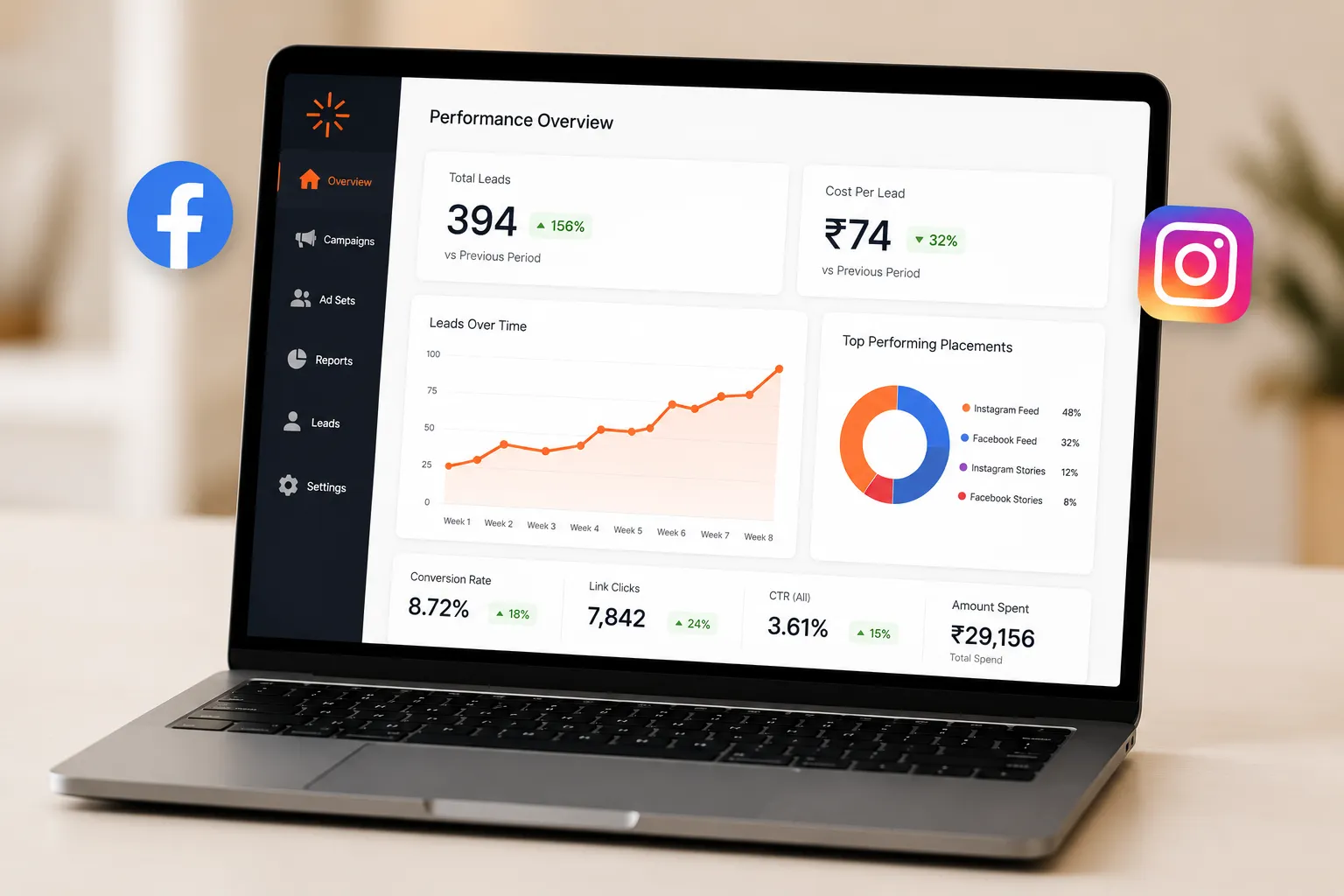
Businesses often feel pressure to be active across every digital channel. SEO, paid advertising and social media can all create value, but they solve different problems and work on different timelines.
For companies evaluating a Digital marketing Company in Abu Dhabi, the better question is not which channel is universally best. It is which channel matches the business goal, customer behaviour and stage of growth.
Start With the Business Objective
Channel selection should begin with the outcome the business needs.
A company may want to:
- generate leads quickly
- build long-term search visibility
- launch a new product
- increase ecommerce sales
- create brand awareness
- enter a new market
- reduce dependence on paid traffic
Each objective may require a different channel mix.
For example, a business that needs leads immediately may prioritise paid search, while a company building long-term visibility around several services may invest more heavily in SEO Services.
When Should SEO Be Prioritised?
SEO is useful when customers are already searching for the products, services or problems the business addresses.
It can support visibility across:
- service searches
- product searches
- local searches
- comparison queries
- informational questions
- research-stage searches
The main advantage of SEO is its ability to build search visibility over time.
However, SEO usually requires patience. New websites and competitive topics may take time to establish strong organic visibility.
Businesses should consider SEO Services when search demand exists and they are willing to invest in technical improvements, useful content and long-term authority.
When Does Paid Media Make More Sense?
Paid media is often suitable when a business needs faster market access.
Google Ads, Meta Ads and LinkedIn Ads can place a business in front of relevant audiences without waiting for organic visibility to develop.
Paid campaigns can be particularly useful for:
- new product launches
- lead generation
- limited-time campaigns
- competitive markets
- testing new offers
- reaching specific audiences
However, paid media requires ongoing budget.
If campaigns stop, the paid traffic generally stops as well.
A Digital marketing Company in Abu Dhabi should therefore evaluate not only the cost per click but also lead quality, conversion rates and whether the website can convert the traffic being purchased.
Where Does Social Media Fit?
Social media is useful for building familiarity, distributing content and staying visible to an audience over time.
It can help businesses:
- explain expertise
- demonstrate products
- share customer stories
- communicate brand ideas
- build communities
- support remarketing
- stay connected with existing customers
Social media is particularly valuable when customers benefit from repeated exposure before making a decision.
A B2B consulting company, for example, may use LinkedIn to share industry insights while SEO captures people actively researching relevant services.
The channels perform different roles within the same customer journey.
Do Not Judge Every Channel by the Same Metric
One common mistake is expecting SEO, paid media and social media to produce the same type of result.
SEO might create qualified organic visits over several months.
Paid search may generate enquiries within days but require continual media spending.
Social content may build audience familiarity that influences a conversion later through another channel.
Effective Digital Marketing Services should therefore use metrics that match the purpose of each channel.
This can include:
- qualified traffic
- enquiries
- conversion rates
- customer acquisition cost
- engagement
- assisted conversions
- revenue
- lead quality
A large number of impressions is not automatically useful if those impressions do not support the business objective.
Consider the Customer Journey
Channel priorities should also reflect how customers make decisions.
Imagine a business looking for enterprise software.
The buyer may first discover a problem through LinkedIn content, later search Google for possible solutions, visit several websites and eventually return through a paid advertisement.
No single channel created the complete journey.
This is why Digital Marketing Services work better when channels have defined roles rather than operating as separate activities.
A Balanced Strategy Often Develops Over Time
Businesses do not necessarily need to invest equally in every channel from the beginning.
A new company may initially use paid media to generate demand while developing its SEO foundation.
As organic visibility improves, the channel mix can change.
Social media can then support content distribution, remarketing and brand familiarity around both activities.
For a Digital marketing Company in Abu Dhabi, the role should be to identify where demand already exists, where customers spend time and which channels can realistically support the required outcome.
The best channel strategy is rarely SEO versus paid media versus social.
It is deciding what role each channel should play, when it should be prioritised and how the channels work together across the customer journey.