Sedation Dentistry in Berkeley: Types of Sedation and Their Benefits
By Alisha
5 Views
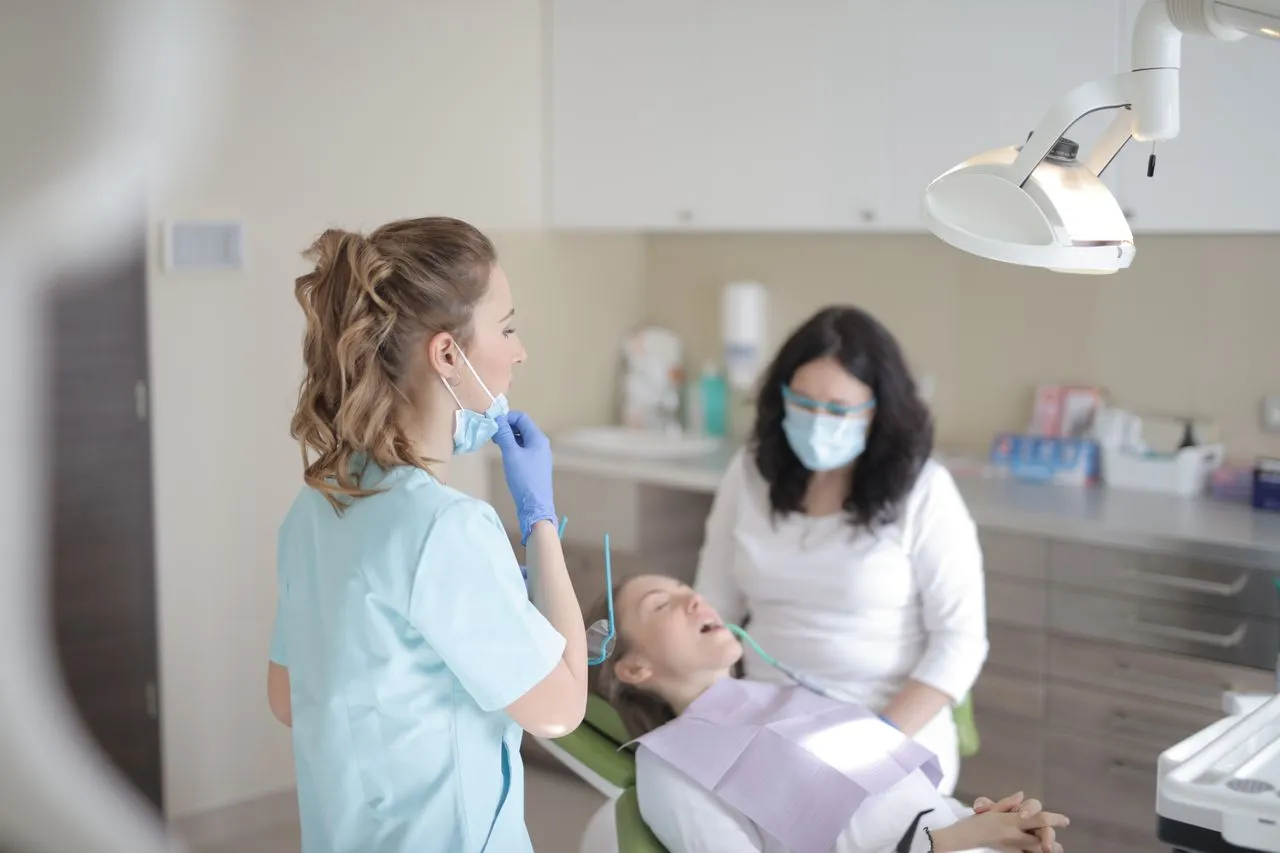
Visiting a dentist can feel stressful for people who experience dental anxiety, fear of needles, sensitivity to discomfort, or difficulty sitting through lengthy procedures. These concerns may cause some individuals to postpone important dental appointments, potentially allowing minor oral health problems to become more complicated. Sedation dentistry offers options that may help eligible patients feel calmer and more comfortable during dental treatment.
Understanding the available sedation methods can help you prepare for a dental consultation and discuss your concerns with a qualified professional. If you are researching sedation dentistry in Berkeley, learning about the different techniques, their benefits, and the precautions involved can help you make an informed decision about your dental care.
What Is Sedation Dentistry?
Sedation dentistry involves using medication to help eligible patients relax during certain dental procedures. Depending on the method used, sedation may range from mild relaxation to a deeper level of sedation that requires more extensive monitoring.
Sedation is not the same as local anesthesia. Local anesthesia numbs a specific area of the mouth to reduce pain during treatment, while sedation helps manage anxiety and relaxation. Dentists may use both approaches together when clinically appropriate.
The recommended method depends on several factors, including your medical history, anxiety level, treatment requirements, current medications, and overall health. A dental professional will assess these factors before recommending a suitable approach.
Types of Sedation Dentistry
Different sedation methods are available for patients who need additional support during dental appointments. Each option has its own benefits, limitations, and safety requirements.
1. Nitrous Oxide Sedation
Nitrous oxide, often called laughing gas, is a commonly used option for helping patients relax during dental treatment. It is administered through a small mask placed over the nose, allowing the patient to breathe a controlled mixture of nitrous oxide and oxygen.
Benefits of nitrous oxide sedation include:
- It can help reduce nervousness during dental procedures.
- The level of relaxation can be adjusted during treatment.
- Its effects generally wear off relatively quickly after administration stops.
- Many patients can resume normal activities soon afterward, subject to the dentist's instructions.
Nitrous oxide may be appropriate for patients with mild to moderate dental anxiety or those undergoing certain shorter procedures. However, suitability depends on individual circumstances, and it may not provide enough relaxation for every patient.
2. Oral Sedation
Oral sedation involves taking a prescribed medication before a dental appointment to help reduce anxiety. The medication and dosage depend on the patient's health, treatment needs, and the dentist's assessment.
Patients may feel drowsy, relaxed, or less concerned about the procedure. Some medications can also affect memory of the appointment, although this varies from person to person.
Potential benefits include:
- It may help patients who feel nervous about dental visits.
- It does not require a mask or intravenous line for administration.
- It may be considered for selected procedures that would otherwise cause significant anxiety.
Oral sedation can affect alertness and coordination for several hours. Patients commonly need a responsible adult to accompany them and arrange transportation. You should not drive or operate machinery until your treating professional confirms it is safe.
3. Intravenous (IV) Sedation
IV sedation involves administering sedative medication through a vein. Because the medication enters the bloodstream directly, the level of sedation can be adjusted by a qualified professional according to the treatment plan and the patient's response.
This method may be considered for selected patients undergoing more involved dental procedures or experiencing substantial dental anxiety.
Possible benefits include:
- The sedation level can be adjusted during treatment.
- It may provide a deeper level of relaxation than some other methods.
- It can be useful for certain lengthy or complex procedures.
IV sedation requires appropriate training, monitoring, and emergency preparedness. Recovery instructions are important, and patients generally need an escort home. The dental team will explain the expected recovery period and any restrictions before treatment.
Not every dental practice offers every sedation method. Availability depends on the provider's qualifications, equipment, and the patient's clinical needs.
Who May Benefit from Sedation Dentistry?
Sedation may be considered for patients who experience significant dental anxiety or have difficulty remaining comfortable during treatment. It can also be useful in selected circumstances when dental procedures are lengthy or require the patient to remain still.
People who may benefit include those who:
- Feel nervous about injections or dental instruments.
- Have previously postponed dental care because of fear.
- Have a strong gag reflex that complicates certain procedures.
- Need extensive treatment over a longer appointment.
- Have difficulty tolerating dental procedures because of particular physical or emotional challenges.
Sedation is not automatically necessary for every anxious patient. Discussing your concerns with the dental team can help identify suitable options, including non-medication approaches such as clear explanations, scheduled breaks, and relaxation techniques.
Benefits of Sedation Dentistry
For appropriately selected patients, sedation can make dental visits more manageable and help them receive necessary care.
Reduced dental anxiety
Sedation may help patients feel calmer during treatment, particularly when fear has previously prevented them from attending appointments.
Greater comfort during procedures
When used alongside appropriate local anesthesia, sedation can help reduce distress associated with dental treatment. Patients should understand that sedation itself does not always eliminate pain.
Support for longer appointments
Some patients need multiple procedures or complex treatment. Suitable sedation may help them tolerate a longer appointment more comfortably.
Improved access to necessary care
By addressing anxiety, sedation may help some patients complete recommended treatment rather than delaying care because of fear.
The results vary between individuals. A dental professional should explain realistic expectations and determine whether sedation is appropriate for the planned procedure.
Is Sedation Dentistry Safe?
Sedation can be used safely in appropriately selected patients when administered by qualified professionals who follow established monitoring and safety protocols. However, it is not risk-free.
Possible side effects depend on the medication and sedation level. These may include drowsiness, nausea, dizziness, or temporary changes in alertness. More significant complications can occur, particularly in patients with certain medical conditions or when appropriate monitoring is not provided.
Before treatment, tell your dentist about your medical history, allergies, prescription medications, supplements, and any previous reactions to sedation or anesthesia. Follow all instructions regarding food, drinks, medication adjustments, and transportation.
Your dental team should explain the planned sedation method, monitoring arrangements, potential risks, and recovery requirements. Never take sedative medication that has not been prescribed or approved for your procedure.
How to Prepare for a Sedation Dentistry Appointment
Preparation helps support a smoother and safer treatment experience.
- Discuss your concerns: Explain your anxiety, previous dental experiences, and treatment goals.
- Share your medical history: Mention health conditions, allergies, medications, and previous sedation experiences.
- Follow preparation instructions: Fasting requirements and medication guidance vary according to the sedation method.
- Arrange transportation: Oral and IV sedation commonly require an escort, and you may be advised not to drive afterward.
- Plan your recovery: Allow sufficient time to rest and follow the instructions provided by your dental team.
Ask questions before your appointment so you understand what will happen and what support you may need afterward.
Choosing a Dental Provider in Berkeley
When comparing sedation providers, consider their qualifications, experience, available sedation methods, monitoring procedures, and approach to patient communication. A suitable dental team should explain the benefits and limitations of each option without promising that one method will work for everyone.
If you are considering sedation dentistry in Berkeley, Berkeley Lake Dental is a practice you can contact to discuss dental anxiety and available treatment options. During a consultation, ask whether sedation is offered for your planned procedure and which methods may be appropriate for your individual needs. For a comfortable and personalized dental care experience, consider Berkeley Lake Dental, located at 4720 Peachtree Industrial Blvd, Suite 5102, Berkeley Lake, GA 30071, for a professional consultation.
Conclusion
Sedation dentistry provides several options for helping eligible patients manage dental anxiety and tolerate certain procedures more comfortably. Nitrous oxide, oral sedation, and IV sedation differ in how they are administered, how deeply they affect alertness, and what recovery arrangements are required.
The best option depends on your medical history, anxiety level, treatment complexity, and the provider's assessment. If you are researching sedation dentistry Berkeley, consider scheduling a consultation with Berkeley Lake Dental to discuss your concerns and learn which options may be suitable for you.
Frequently Asked Questions
1. What is sedation dentistry used for?
Sedation dentistry helps eligible patients manage anxiety and tolerate selected dental procedures. The appropriate method depends on medical history, treatment complexity, and individual needs.
2. Which type of dental sedation works fastest?
Nitrous oxide generally begins working within minutes. Oral and intravenous sedation have different onset times, depending on medication, dosage, administration, and individual patient factors.
3. Can I drive after dental sedation?
Driving restrictions depend on the sedation method and medication used. Oral and intravenous sedation commonly require an escort and prohibit driving until medically cleared.
4. Is sedation dentistry suitable for everyone?
No, suitability depends on medical conditions, medications, allergies, anxiety levels, and procedure requirements. A qualified dental professional must evaluate risks before recommending sedation.
5. How should I prepare for sedation dentistry?
Share your medical history, follow fasting and medication instructions, arrange transportation when required, and ask your dentist about recovery expectations before the scheduled appointment.