Safety Officer Training in Pakistan: Everything You Need
178 Views
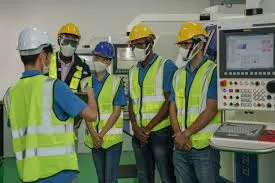
Workplaces across Pakistan, especially in construction, manufacturing, oil and gas, and logistics, are growing rapidly. With this growth comes a serious responsibility: ensuring worker safety and reducing on-site accidents. Many incidents occur not because safety rules do not exist, but because they are not properly followed or monitored.
This is where trained professionals play a critical role. A qualified safety officer helps prevent accidents, enforces safety protocols, and creates a safer working environment for everyone on site.
In this guide, you will learn everything about safety officer training, its importance, career scope, and how it builds a strong professional foundation for beginners and working individuals alike.
Before we go deeper into roles and responsibilities, it is important to understand how a structured Safety Officer Course prepares individuals for real workplace challenges and why it has become one of the most in-demand career paths in industrial sectors.
What is Safety Officer Training and Why Does It Matters?
Safety officer training is a structured professional program designed to equip individuals with the knowledge and practical skills needed to manage workplace hazards. It focuses on identifying risks, implementing safety procedures, and ensuring compliance with occupational health and safety standards.
A Safety Officer Course typically blends theory with practical applications, helping learners understand real-life industrial environments. Instead of just memorizing rules, students learn how to respond to emergencies, conduct inspections, and reduce workplace risks effectively.
In Pakistan, industries are becoming more safety-conscious due to international project requirements and stricter labor regulations. This has increased the demand for trained safety professionals who can bridge the gap between policy and practice.
For example, in a construction site project in a major city, a minor oversight in scaffold installation can lead to severe accidents. A trained safety officer identifies such risks before they turn into incidents, ensuring compliance and worker protection.
Core Responsibilities of a Safety Officer
A safety officer is not just a rule enforcer but a key decision-maker in maintaining workplace well-being. Their role extends across multiple areas of operations.
1. Workplace Inspection and Hazard Identification
Safety officers routinely inspect sites to identify unsafe conditions such as exposed wiring, unstable structures, or lack of protective equipment.
2. Implementing Safety Procedures
They ensure that safety protocols are properly followed, including the use of helmets, gloves, fire extinguishers, and emergency exits.
3. Accident Investigation
When incidents occur, safety officers analyze the root cause, document findings, and recommend preventive measures.
4. Employee Training and Awareness
They conduct brief safety sessions to educate workers about hazards and emergency responses.
5. Compliance Monitoring
Ensuring that the workplace follows national and international safety standards is one of their key responsibilities.
These tasks require both technical knowledge and strong observational skills, which are developed through structured training programs.
Key Modules in a Safety Officer Training Program
A well-designed training program focuses on both theoretical knowledge and practical application. Below are the core modules commonly included:
1. Occupational Health and Safety Principles
This module introduces the fundamentals of workplace safety, hazard classification, and risk management.
2. Fire Safety and Emergency Response
Learners are trained to handle fire outbreaks, evacuation procedures, and emergency planning.
3. Risk Assessment Techniques
Students learn how to identify risks, evaluate severity, and implement control measures.
4. Personal Protective Equipment (PPE)
Understanding proper usage and maintenance of safety gear is essential for workplace protection.
5. Industrial Safety Standards
This includes knowledge of regulatory frameworks and compliance guidelines used in different industries.
6. First Aid and Medical Response
Basic emergency medical training is included so safety officers can respond quickly to injuries.
7. Accident Prevention Strategies
This module focuses on reducing workplace incidents through proactive safety planning.
Each module is designed to simulate real workplace challenges so learners can confidently apply their skills in industrial environments.
Skills You Gain from Safety Officer Training
Beyond technical knowledge, safety training builds essential professional skills that are valuable in multiple industries.
1. Analytical Thinking
Safety officers must quickly analyze risks and make informed decisions.
2. Communication Skills
They interact with workers, supervisors, and management, making clear communication essential.
3. Leadership Ability
Ensuring compliance often requires guiding teams and enforcing rules effectively.
4. Attention to Detail
Even small safety violations can lead to major incidents, so careful observation is crucial.
5. Emergency Handling
Trained professionals know how to stay calm and respond effectively during crises.
For instance, in a manufacturing unit, a trained safety officer might notice a minor chemical storage issue that could have escalated into a major hazard if ignored.
Career Opportunities in Pakistan and Abroad
The demand for safety professionals is rising globally due to increased awareness of workplace safety standards. In Pakistan, industries such as construction, oil refineries, textile mills, and power plants actively hire safety officers.
Common job roles include:
- Safety Officer
- HSE Officer (Health, Safety, Environment)
- Site Safety Supervisor
- Risk Assessment Officer
- Safety Inspector
Internationally, countries in the Middle East, Europe, and Southeast Asia offer strong career opportunities for certified safety professionals. Many Pakistani professionals move into these markets after gaining experience and certifications.
The growth of infrastructure projects and industrial expansion continues to make this field stable and relevant for long-term career development.
How to Choose the Right Training Program?
Selecting the right training program is a crucial step toward building a successful safety career. Not all programs offer the same level of quality, so careful evaluation is important.
1. Check Accreditation and Recognition
Ensure the institute follows recognized safety standards and provides credible certification.
2. Practical Training Opportunities
A strong program includes field-based learning, not just classroom lectures.
3. Experienced Trainers
Instructors with real industry experience provide more practical insights.
4. Updated Curriculum
Safety standards evolve, so the course content should reflect current industrial practices.
5. Internship or Job Support
Some institutes offer placement assistance or internship opportunities, which can help beginners gain experience.
A well-structured learning environment ensures that students are not only exam-ready but also job-ready.
Importance of Professional Safety Education and Institutes
Professional safety education plays a key role in reducing workplace accidents and improving industrial performance. A trained safety officer can significantly improve compliance, reduce downtime caused by accidents, and create a culture of responsibility within organizations.
Industries today prefer candidates who have formal training rather than informal experience alone. This is because structured education ensures consistency in knowledge and application.
Institutes offering safety training also help learners understand international safety frameworks such as OSHA guidelines and industry-specific standards. This global alignment improves career opportunities both locally and abroad.
In cities like Multan, growing industrial development has increased the demand for structured learning pathways. Many learners now pursue a Safety Officer Course in Multan to gain practical exposure and start their careers in industrial safety. This trend reflects how regional training centers are becoming important contributors to workforce development.
FAQs
1. What is the duration of a Safety Officer Course?
Most safety officer training programs range from a few weeks to several months depending on the depth of the curriculum and practical components.
2. Is prior experience required to enroll in safety training?
No prior experience is usually required. Beginners, students, and working professionals can all enroll.
3. What industries hire safety officers in Pakistan?
Construction, oil and gas, manufacturing, logistics, and energy sectors frequently hire safety professionals.
4. Can safety officer training help in international jobs?
Yes, certified safety training improves chances of employment in countries with strict safety regulations, especially in the Middle East.
5. What skills are most important for a safety officer?
Attention to detail, communication skills, risk assessment ability, and emergency response knowledge are essential.
6. Is safety officer training only for technical students?
No, it is open to individuals from various educational backgrounds who are interested in workplace safety careers.
Conclusion
Safety officer training is more than just a certification; it is a professional foundation for creating safer workplaces and responsible industries. From understanding hazards to managing emergencies, trained professionals play a vital role in protecting lives and improving operational standards.
With industries expanding and safety regulations becoming stricter, the demand for skilled professionals continues to grow steadily. Whether you are starting your career or looking to shift into a more stable field, this training offers a practical and meaningful pathway forward.
By choosing the right learning approach and building strong foundational skills, learners can unlock long-term opportunities in both local and international job markets.
Related Reading
Expert Insights: Navigating the Complex World of Education & Learning
Welcome to our in-depth exploration of Education & Learning. In an era defin...
Why Education & Learning is Transforming the Global Industry Landscape
Welcome to our in-depth exploration of Education & Learning. In an era defin...