RSV Testing at Home vs. Lab: Which Is Better?
129 Views
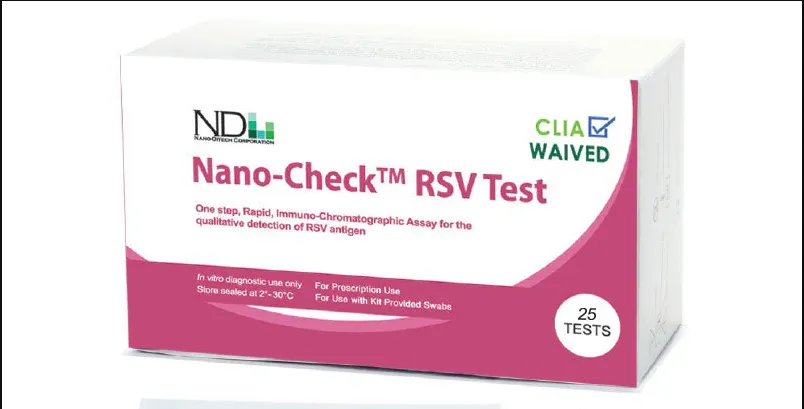
Both at-home and laboratory RSV tests have their place. At-home tests (usually rapid antigen kits or home PCR collection kits) give quick results and let you test privately at home, while lab-based tests (often PCR done in a clinic or lab) are more sensitive and reliable. In short, an at-home test can tell you fast if RSV is likely present, but a lab PCR test is better at catching infections that might be missed otherwise. The best choice depends on your needs: if you just want a quick check for an RSV infection, a home test may suffice; but if you need high accuracy (for example, if someone is very young, elderly, or high-risk) then a lab test is recommended.
What Is RSV and Why Test?
RSV is a common virus that affects the respiratory tract and often causes symptoms similar to a cold. For most people, it clears up on its own within a week or two. However, it can become much more serious for young infants, older adults, and people with weakened immune systems or certain underlying health conditions.
RSV usually starts with symptoms that feel like a common cold. A runny nose and cough are common. Sneezing fever and wheezing can also happen. Some people may find it harder to breathe if the infection becomes more serious.
An RSV test helps confirm whether RSV is causing these symptoms or if another illness is responsible. This is especially useful for young children older adults and anyone at higher risk. During RSV season it can also help tell the difference between RSV the flu and COVID-19 because the symptoms are often very similar.
At-Home RSV Testing Options
Rapid Antigen Test Kits (OTC). In recent years, over-the-counter (OTC) home test kits have become available that can detect RSV along with flu and COVID-19. These are usually lateral-flow antigen tests, similar to home COVID kits, that come with a nasal swab and a small vial of liquid. You swab your nose, insert the swab into the tube, and wait (often around 15 minutes) for lines or indicators to appear.
For example, products like RSV+Flu+COVID home test provide results at home in 15 minutes. The Centers for Disease Control (CDC) notes that some multiplex antigen tests (those detecting multiple viruses) including RSV are available OTC for home use.
- Pros: Quick results (about 15–30 minutes), very convenient (no appointment needed), private and easy to use. Kits typically cost on the order of $10–$30 each.
- Cons: Antigen tests are generally less sensitive than PCR. They work best when viral levels are high (usually early in illness). A negative result does not guarantee you don’t have RSV, especially if symptoms have been present for a few days or are mild. Studies show rapid RSV antigen tests catch about 80–85% of true RSV cases in symptomatic young children during peak season, but can miss infections (false negatives) more often in older children and adults.
Home Collection Kits (PCR). Another home option is to order an at-home collection kit that uses molecular (PCR) testing. For example, LabCorp and some telehealth services offer a “COVID/Flu/RSV” nasal swab kit you do at home and mail to a lab. In this approach, you receive a kit with a swab and tube, take a sample (like a deep nasal swab), and send it back by mail. The lab then runs a PCR test on your sample and reports results in a day or two. These kits don’t give instant results at home, but they are FDA-authorized PCR tests – the same technology used in clinics. For instance, a LabCorp at-home RSV+flu+COVID PCR kit costs around $129 and delivers results in 1–2 days after the lab receives the sample.
- Pros: Very high accuracy (PCR is the “gold standard”). It can catch even low levels of virus that an antigen test might miss. Good if you want a definitive answer without going to a doctor. Kits are mailed directly to you, so it’s still fairly convenient.
- Cons: Not as fast – you have to wait for shipping and lab processing (often 1–2 days after receipt). Costs more than a single rapid kit (often $100+). Requires mailing a bio-sample (though these kits include prepaid shipping). You may need to purchase online and sometimes register or have it ordered via telehealth, but no in-person visit is needed.
Image: A lab technician processes a nasal swab sample (illustrating how home-collected swabs are handled in the lab).
Laboratory (Clinical) RSV Testing
Provider/Clinic Testing (PCR or Rapid). In a clinic or hospital setting, testing for RSV usually means a healthcare professional collects a sample (nasal aspirate or swab) and either runs a point-of-care test or sends it to a lab. Nasal aspirate (a gentle saline wash of the nose) often gives the best sample for RSV, and is common in infants. A nasal swab is quicker but may not collect as much virus.
- PCR Tests at Lab: Doctors typically rely on PCR-based tests done in a lab. A healthcare worker collects the swab, the lab runs a molecular test, and results are returned in a day or two. PCR is very sensitive: it can detect even small amounts of RSV genetic material. This is especially important for older children or adults, who tend to have lower virus levels in their nose. In fact, the CDC and experts recommend PCR testing for older children and adults because antigen tests can miss more cases in these groups.
- Rapid Tests in Clinics: Some clinics use FDA-approved rapid antigen tests (the same type technology as home kits but for professional use). These give results in minutes but have similar limitations (high specificity, moderate sensitivity). Rapid tests in a medical setting are still around 80–85% sensitive in symptomatic infants. Because false positives are rare when RSV prevalence is high, a positive rapid test is usually accurate. However, if a sick patient gets a negative rapid result but clinical suspicion is strong, doctors often confirm with PCR.
At-Home vs. In-Clinic Sample: For an at-home kit, you swab yourself. In clinic, a nurse or tech can ensure a good sample. A study noted that nasal swabs in infants can be tricky, and nasal washes are more accurate. This means a doctor’s sample may be slightly better quality. On the other hand, at-home swabbing is still reliable for most people and avoids a clinic visit.
Image: In a laboratory, a scientist uses a pipette to add reagents into test tubes (illustrating lab PCR preparation).
Key Comparisons
Accuracy: PCR-based lab tests are the gold standard. They have very high sensitivity and specificity. For example, a review found molecular RSV tests had reported sensitivity 66.7–100% (usually on the high end) and specificity 94.3–100%. Rapid antigen tests, including many at-home RSV tests, are generally good at confirming an infection when the result is positive. However, they are not as sensitive as molecular tests, which means they can sometimes miss an RSV infection, particularly if the amount of virus in the sample is low or the test is taken later in the illness. A negative result doesn't always rule out RSV. If you're still feeling unwell after a day or two it's a good idea to speak with a healthcare provider. The same applies if your symptoms start getting worse. They may recommend a laboratory test because it's generally more accurate than a rapid test. It's often the better choice for young children older adults and anyone at higher risk of complications.
Speed of Results: Here, at-home antigen tests win. You can get a result in 15–30 minutes at home without a lab. Lab PCR tests take longer: you must mail or go to a lab and wait (often 1–2 days after sample arrival). Even rapid tests in a clinic take minutes, but only if done on-site. If you need an answer the same day, a home antigen test is faster.
Convenience: Home tests are most convenient. No appointment, no travel, and you can test anytime. Home PCR kits require shipping back to a lab, which is moderately convenient (a UPS drop-off or pick-up). Clinic tests require scheduling or visiting a doctor’s office or urgent care. For busy families or those avoiding exposure, home testing is very appealing.
Cost: Home antigen test kits (OTC) generally cost under $20 for a single test kit. Home PCR kits cost more; for example, a LabCorp at-home PCR kit is around $129. In contrast, clinic testing might be covered by insurance for those with symptoms (so out-of-pocket could be minimal). If paying out-of-pocket, a clinic PCR might range roughly $50–$150. The convenience of home testing comes at the price of either kit purchase or lab fees.
Ease of Use: Home antigen kits are designed for laypersons – the instructions are straightforward and they include all materials (swab, tube, test device). They do require careful swabbing of the nose, which some people (especially children) find uncomfortable. Lab tests involve professionals doing the swab or aspirate, which can be more comfortable for some patients.
Reliability & Medical Supervision: Home tests rely on correct self-collection; improper swabbing may reduce accuracy. Lab testing occurs under professional oversight, which can yield a more reliable sample. Also, labs may be able to run control checks.
Best Use Cases:
- Home Test: Great for quick checks when symptoms are mild/moderate, or to decide if isolation is needed. For example, if a parent has a cold and wants to know if it’s RSV or something else before visiting a newborn grandchild, a home test can be a first step. It’s also useful for busy families wanting fast answers for kids with sniffles.
- Lab Test: Recommended if someone is in a high-risk group or has severe symptoms. For instance, an infant with wheezing, or an elderly adult with breathing difficulty, should get a lab test (likely PCR) for accuracy. Also use lab testing if an at-home result was negative but symptoms worsen, or if you need a definitive result for medical advice.
When to Seek Professional Testing
While an at-home RSV test can be a helpful first step, it isn't a substitute for medical care when symptoms are more serious or the person is at higher risk of complications. Young infants, older adults, and people with certain medical conditions needs to be evaluated by a healthcare provider if they become unwell. If symptoms include difficulty breathing, a high fever, dehydration, or they continue to worsen despite a negative home test, a laboratory RSV test may be recommended to provide a clearer diagnosis and help guide the next steps in care.
Common Misconceptions
- “At-home tests are 100% accurate.” No test gets it right every time. A rapid RSV test can sometimes miss an infection. This is more likely if the amount of virus in the sample is low or the test is taken later in the illness. That's why a negative result shouldn't always be taken as the final answer. If your symptoms strongly suggest RSV it's worth speaking with a healthcare provider.
- “Lab tests are always better.” Lab (PCR) tests are more sensitive, but they take longer and may not be necessary for mild cases. If you need rapid feedback (say, to decide whether a child can attend school), a home antigen test may be more practical.
- “You must see a doctor to get tested.” Thanks to advances, anyone can buy RSV test kits or use telehealth services. Home PCR kits like LabCorp’s allow you to test without an in-person visit. Telehealth can guide you through the process if you’re unsure.
Choosing the Right Option
In summary, consider these factors when choosing:
- Speed needed: If you want answers in minutes, use an at-home rapid kit.
- Patient risk: A laboratory PCR test is often the better choice for people who are more likely to develop serious illness. This includes young children older adults and people with weakened immune systems.
- Convenience: If you or your child have mild symptoms and you just want a quick check, at-home testing is very convenient. For those who prefer professional care, lab testing is appropriate.
There’s no one-size-fits-all “better” answer. For example, a healthy parent with mild sniffles might be fine with an at-home RSV+flu+COVID antigen test, while a newborn with respiratory issues should get a PCR test in the clinic. Home collection kits (PCR) can be a middle-ground: more accurate than a self-antigen test, but still done at home and mailed in.
Frequently Asked Questions
- What is an RSV test? It’s a test of a nasal sample to see if Respiratory Syncytial Virus is causing symptoms. It can be done via a quick antigen test (swab at home or clinic) or a PCR lab test.
- How accurate is an at-home RSV test? Home rapid antigen tests are quite specific but moderately sensitive. They often catch most infections but can miss some. In children with symptoms, antigen tests have shown ~80–85% sensitivity. That means about 15–20% of true RSV cases might get a false-negative.
- Is a lab test more accurate? Yes. Lab PCR tests are the gold standard – they can detect much smaller amounts of virus. They have near 100% specificity and very high sensitivity, so false negatives are rare (as long as the sample is collected properly).
- When should I get tested for RSV? If you or your child have moderate to severe respiratory symptoms, especially during RSV season, testing can be helpful. Prioritize testing for infants, elderly adults, or anyone with serious symptoms (wheezing, trouble breathing, high fever). Otherwise, some people test at home for mild symptoms just to know if it’s RSV.
- How long do results take? Home antigen tests give results in about 15–30 minutes. Home PCR kits take longer: usually 1–2 days after the lab receives your sample. Clinic rapid tests also take minutes; lab PCR tests typically take about a day after collection.
- Which testing option is best for children? For a child under 2, many doctors will rely on rapid antigen tests since kids often have high viral loads. If the child is in daycare or infants, and you just want to confirm a mild cold, a home kit may be OK. But for very young infants (under 6 months) or if the illness is severe, a PCR test at a clinic is safest.
Conclusion
If you're looking to learn more about RSV testing products or at-home testing options, providers such as RCS Healthcare are one place to explore. And if symptoms become severe or you're concerned about how someone is doing, don't wait to seek advice from a healthcare professional.