Roof Repair in Summer: How to Protect Your Roof From Heat and Weather Damage
18 Views
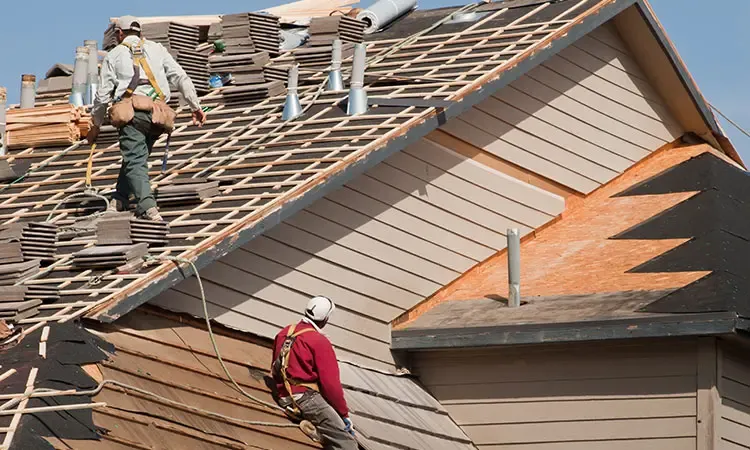
Summer can be one of the most demanding seasons for your roofing system. High temperatures, intense sunlight, sudden thunderstorms, and strong winds can gradually weaken roofing materials and expose existing problems. For homeowners in Evansville, Indiana, summer is an important time to inspect the roof, identify damage, and schedule necessary repairs before minor issues become expensive problems.
Professional roof repair during summer can help protect your home, improve indoor comfort, and extend the life of your roofing system. Understanding how summer weather affects your roof allows you to make informed decisions about maintenance and repairs.
1. How Summer Heat Affects Your Roof
During summer, roofing materials are exposed to prolonged sunlight and elevated temperatures. Asphalt shingles, sealants, flashing, and other components can deteriorate over time, particularly when the roof is already aging or poorly maintained.
Repeated heating and cooling can cause some materials to expand and contract, contributing to wear around vulnerable areas. Existing cracks, loose shingles, and deteriorating seals may become more noticeable during this period.
Scheduling roof repair when damage is identified helps maintain the roof's protective barrier and reduces the risk of further deterioration.
2. Prevent Roof Leaks Before Summer Storms
Summer weather in Evansville can bring thunderstorms, heavy rainfall, and strong winds. If your roof already has loose shingles, damaged flashing, or weakened seals, a storm may allow water to enter your home.
Roof leaks can damage ceilings, walls, insulation, and wooden structures. Water intrusion may also create conditions that encourage mold growth if the moisture is not addressed.
Before severe weather arrives, consider having a professional inspect vulnerable roof areas, including:
-
Roof valleys where water flows toward drainage points.
-
Flashing around chimneys and vents.
-
Shingles that are cracked, missing, or curling.
-
Roof edges and areas around skylights.
-
Gutters and downspouts that may be blocked.
Repairing these problems early can help reduce the risk of unexpected leaks during summer storms.
3. Repair Damaged Shingles to Maintain Roof Protection
Shingles help protect your home from sunlight, wind, and rain. Over time, exposure to harsh weather can cause shingles to crack, curl, loosen, or lose protective granules.
Damaged shingles can expose the underlying roofing layers to moisture and accelerate deterioration. During a summer inspection, a roofing professional can determine whether individual shingles need replacement or whether the damage extends across a larger section of the roof.
Timely shingle repair helps maintain the roof's weather resistance without necessarily requiring a complete replacement.
4. Improve Attic Ventilation to Reduce Excessive Heat
An attic that lacks adequate ventilation can accumulate excessive heat during summer. Combined with insufficient insulation, this can make indoor temperatures harder to control and place additional demands on your air conditioning system.
Although ventilation problems are not always solved through roof repair alone, a professional roof inspection can help identify issues involving ventilation openings, damaged vents, and related roofing components.
Proper attic ventilation and insulation can support a more comfortable indoor environment and help protect roofing materials from certain moisture and heat-related problems.
5. Check Flashing and Roof Seals During Summer
Flashing is installed around vulnerable areas such as chimneys, vents, skylights, and roof-to-wall connections. These locations require reliable protection because water can enter through gaps even when the main roofing surface appears intact.
Sunlight and temperature changes can contribute to the deterioration of some sealants. Damaged flashing or failed seals may allow rainwater to penetrate the roof during summer storms.
A professional roof repair service can inspect these connections, replace damaged flashing when necessary, and apply compatible sealing materials where appropriate.
6. Keep Gutters and Drainage Systems Clear
Gutters and downspouts help direct rainwater away from your roof and the foundation of your home. When leaves, dirt, and debris block drainage, water may overflow or collect in unwanted areas.
During summer, heavy rainfall can quickly expose drainage problems. Blocked gutters may also contribute to moisture damage around roof edges, fascia boards, and exterior walls.
Cleaning gutters safely and checking for loose connections, leaks, or improper drainage can help prevent avoidable problems. If repairs are needed, a roofing professional can assess the affected components and recommend a suitable solution.
7. Is Summer a Good Time for Roof Repair?
Summer can provide suitable conditions for many roofing projects, particularly when the weather is dry and stable. However, extremely high temperatures, thunderstorms, and high winds can affect worker safety and the installation of certain roofing materials.
Some roofing products have specific temperature requirements for installation. A qualified contractor should consider the forecast, roof surface temperature, material specifications, and site safety before beginning work.
If your roof has active leaks or storm damage, do not delay an assessment simply because it is summer. The priority is to address the damage safely under suitable working conditions.
8. Understand the Cost of Summer Roof Repair
The cost of roof repair depends on the type of damage, roof size, slope, accessibility, material requirements, and labor involved. A small shingle replacement may cost considerably less than repairing damaged roof decking or extensive water intrusion.
Other factors that may influence repair costs include:
-
The age and condition of the existing roof.
-
The amount of damaged roofing material.
-
Whether flashing or drainage components need replacement.
-
Whether insulation or interior materials have been affected.
-
The complexity and safety requirements of the project.
Requesting a written estimate from a qualified roofing contractor helps you understand the work required and compare repair options before making a decision.
9. Signs You Need Roof Repair This Summer
Homeowners should pay attention to early warning signs that indicate possible roofing problems.
Common signs include:
-
Missing, cracked, or curling shingles.
-
Water stains on ceilings or walls.
-
Loose or damaged flashing.
-
Roofing granules accumulating in gutters.
-
Damp areas or musty odors in the attic.
-
Sagging sections of the roof.
-
Water overflowing from damaged or blocked gutters.
Some roofing damage cannot be seen clearly from the ground. Avoid climbing onto a hot or sloped roof to inspect it yourself. A professional assessment is safer and can help identify concealed problems.
10. Why Evansville Homeowners Should Schedule Summer Roof Inspections
In Evansville, Indiana, summer maintenance is particularly useful for identifying damage before heavy rain and thunderstorms create additional problems. A roof inspection can reveal worn shingles, deteriorating seals, drainage issues, and signs of previous leaks.
Addressing these concerns early helps homeowners plan repairs, protect their property, and reduce the likelihood of emergency work.
Even if your roof appears to be in good condition, regular inspections are worthwhile, especially if the roof is older or has experienced previous storm damage.
Frequently Asked Questions About Summer Roof Repair
Can extreme heat damage a roof?
Yes. Prolonged exposure to sunlight and high temperatures can contribute to the deterioration of roofing materials, sealants, and other components over time.
Can a roof be repaired during summer?
Yes. Many roof repairs can be completed during summer when weather and working conditions are suitable. Contractors may need to adjust schedules during extreme heat or thunderstorms.
Should I repair a small roof leak immediately?
Yes. Even a small leak can allow water to damage insulation, ceilings, and other building materials. Arrange a professional assessment promptly.
Does roof repair help reduce indoor heat?
Repairing damaged roofing components can help restore the roof's protective function. Improving indoor comfort may also require appropriate attic ventilation, insulation, and air sealing.
How often should I inspect my roof?
Regular professional inspections are useful, particularly after severe weather and when your roof is aging. The appropriate frequency depends on the roof's materials, condition, and exposure to local weather.
Conclusion
Summer is an important season to inspect your roof and address problems before they lead to more extensive damage. High temperatures, intense sunlight, heavy rainfall, and strong winds can expose weaknesses in shingles, flashing, seals, and drainage systems.
Professional roof repair helps maintain your home's protection, prevent avoidable leaks, and support the long-term performance of your roofing system. For homeowners in Evansville, Indiana, timely inspections and appropriate maintenance can make a significant difference in preparing a roof for the challenges of summer weather.
If you notice damaged shingles, water stains, or signs of deterioration, arranging a professional roof inspection is a practical step toward protecting your home throughout the season.
Related Reading
Expert Insights: Navigating the Complex World of Home Improvement
Welcome to our in-depth exploration of Home Improvement. In an era defined by ra...
Why Home Improvement is Transforming the Global Industry Landscape
Welcome to our in-depth exploration of Home Improvement. In an era defined by ra...