Rolling Papers: What Every Smoker Should Know Before Buying
By Ali uzair
164 Views
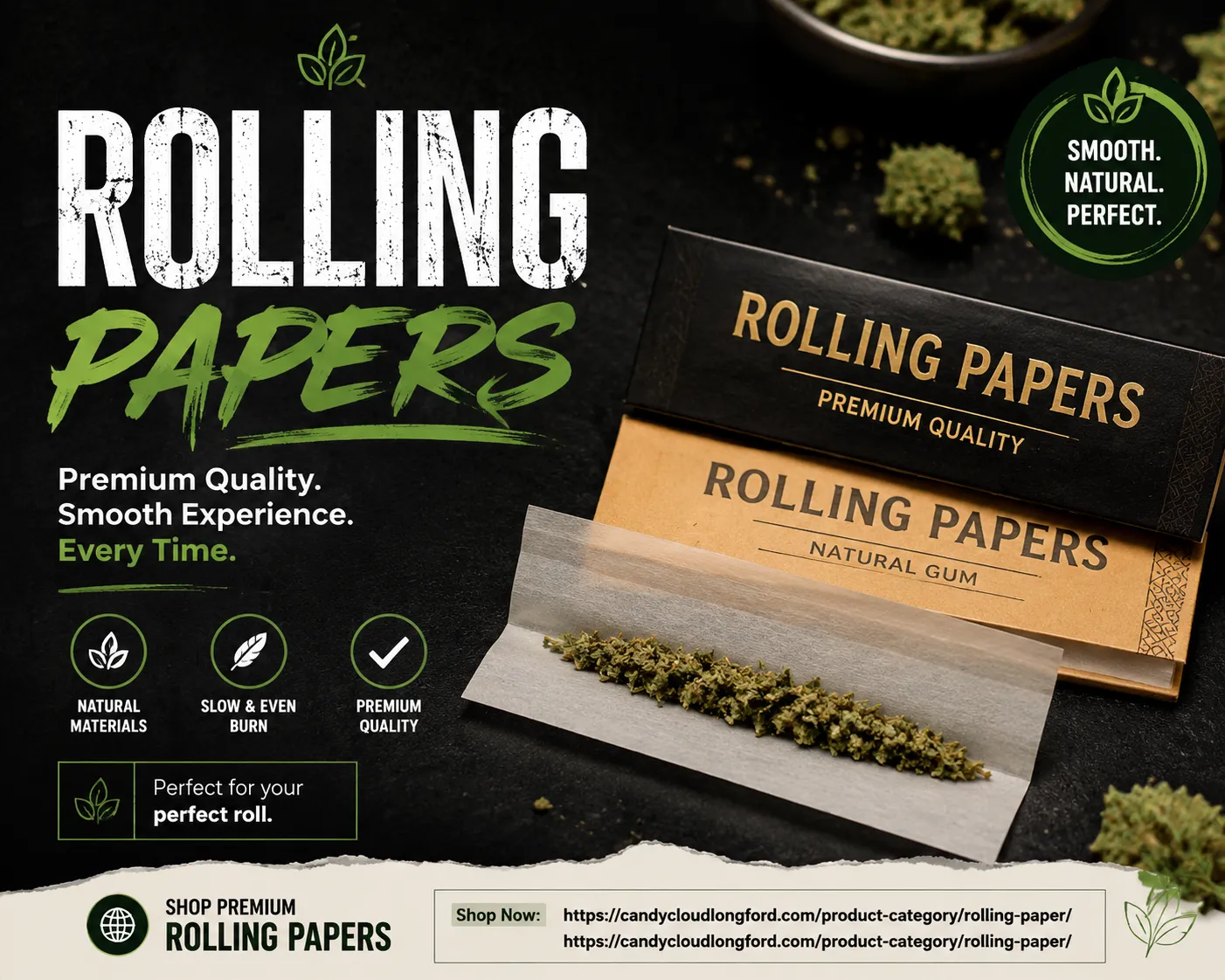
Rolling Wraps seem like a small detail until you've had a bad experience with one. A paper that burns too fast, tears mid-roll, or leaves a harsh aftertaste can completely ruin an otherwise good session. The truth is, not every paper is built the same, and the one sitting on the convenience store counter isn't always your best bet. This guide walks you through everything that actually matters — material, size, burn quality, storage — so you stop guessing and start rolling with confidence.
How Rolling Papers Became a Global Staple
Long before fancy packaging and organic certifications entered the picture, people were wrapping tobacco in thin paper as far back as 16th century Spain. Traders needed a practical, portable way to carry and consume tobacco, and paper did the job well. By the 1800s, manufacturers in France and Spain had turned this into a dedicated craft, producing purpose-made sheets designed specifically for rolling. Today, that small industry has grown into a global market with hundreds of brands competing for your attention. Sizes, materials, flavors, thicknesses — the options are almost endless. But the core goal remains exactly the same as it was centuries ago: a clean, even burn that stays out of the way of your smoke.
Breaking Down the Different Paper Materials
The material your rolling paper is made from shapes the entire experience. It affects how the paper handles, how it burns, and most importantly, how it tastes.
Wood Pulp — The Old Reliable
Wood pulp papers have been around the longest and remain widely used for good reason. They're sturdy, easy to work with, and hold their structure well while you roll. Beginners tend to gravitate toward them because they don't fight back. The downside is a slightly papery taste that more experienced smokers often find distracting.
Rice — Thin, Clean, and Slow Burning
Rice-based rolling papers are noticeably thinner and produce a much cleaner taste. They burn slowly and smoothly, which a lot of smokers genuinely appreciate once they get used to them. The learning curve is real, though — rice papers are more delicate and can be frustrating to handle in humid environments or for anyone still mastering their roll technique.
Hemp — The Natural Middle Ground
Hemp rolling papers have carved out a strong following over the past decade. They're sturdier than rice papers but still deliver a clean, mild taste that works beautifully with herbal blends. They're also the natural choice for smokers who prefer plant-based, chemical-free products. If you're unsure where to start beyond the basics, hemp is often the first upgrade worth trying.
Flavored — Fun but Not for Everyone
Flavored papers come soaked in fruit, dessert, or candy-inspired coatings and bring a completely different character to the experience. They're popular at social gatherings and among casual smokers. Just know that the added flavor tends to overpower whatever you're actually smoking, which isn't always what you want.
Understanding Rolling Paper Sizes
The size you choose changes how much you can pack in and how long the roll lasts. Here's a straightforward breakdown:
- Single Wide – Compact and minimal. Great for short sessions and perfect for anyone just learning to roll neatly.
- 1¼ Size – The most widely used size worldwide. A bit more room without going overboard. Most smokers land here permanently.
- 1½ Size – Noticeably more capacity. Good for those who consistently roll on the fuller side.
- Double Wide – Twice the width of standard. Usually reserved for rolling in larger quantities at once.
- King Size – The longest format available, built for extended sessions or sharing among a group.
- King Size Slim – Same length as king size but narrower in width, giving a cleaner and more streamlined roll.
Your ideal size comes down to how much you typically roll and how long you want a session to run. Most people find their go-to size fairly quickly and stick with it, similar to how users often prefer compact devices like Elf Bar 600 for consistent and convenient use.
What Separates a Good Rolling Paper From a Bad One
Once you know the basics, here's what to actually look for when standing in front of a shelf full of options:
- Even burn rate — Quality papers burn slowly and steadily from one end to the other. Uneven burning is almost always a sign of poor construction or cheap filler material.
- Gum strip quality — A weak adhesive line is the fastest way to ruin a well-rolled paper. The gum should stick cleanly on the first press without needing to be rewet five times.
- Unbleached options — Chlorine-bleached white papers aren't something everyone wants to smoke. Unbleached brown papers have grown in popularity for good reason.
- Organic certification — If clean ingredients matter to you, look for papers with verified organic credentials. Several reputable brands now carry third-party certifications.
- Included tips — Some brands bundle pre-cut tips or perforated crutch sections. Small detail, genuinely useful.
Keeping Your Rolling Papers in Good Shape
Rolling papers don't last forever if you store them carelessly. A few simple habits go a long way:
- Keep them somewhere cool and dry, away from direct sunlight or heat sources.
- Never leave them sitting in a hot car, especially during summer.
- Always close the booklet after use so the edges don't curl or dry out.
- In high-humidity climates, a small airtight container makes a noticeable difference.
The Bottom Line on Picking Your Paper
Choosing the right rolling paper isn't complicated once you understand what each option actually brings to the table. Match the material to your taste preferences, pick a size that fits your habits, and pay attention to the small details like gum quality and burn consistency. A little awareness goes a long way toward a noticeably better experience every time you roll.
Click here to discover more articles like this.