Rock Stone Work and Stone Carving: Exploring the Craftsmanship Behind Natural Stone Designs
16 Views
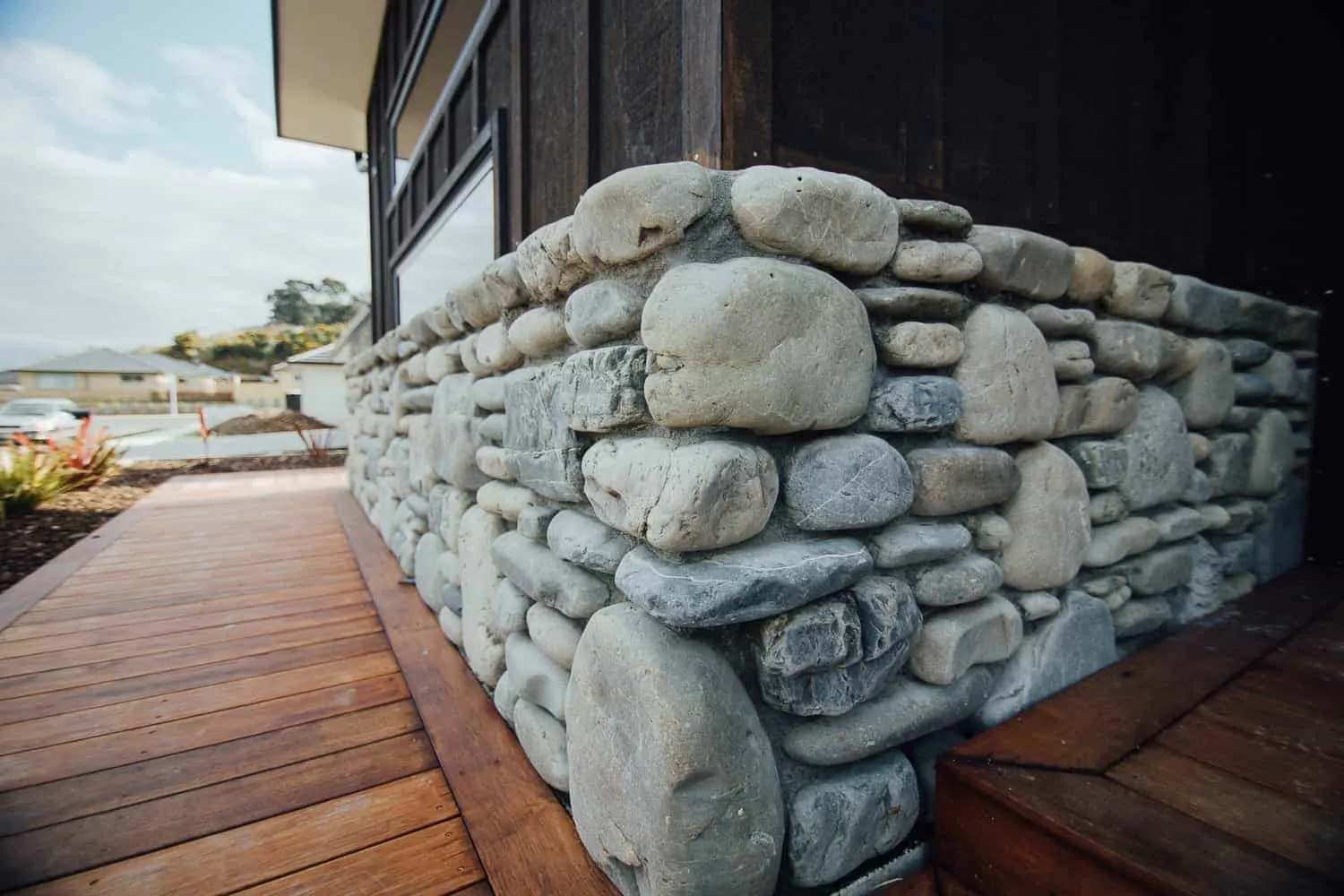
Natural stone has played an important role in construction, architecture, and decorative design throughout history. Its natural textures, distinctive patterns, and lasting durability make it a valuable material for creating everything from functional structures to artistic decorations. Today, homeowners, landscape designers, and commercial property owners continue to use stone to add character and visual appeal to their surroundings. From custom garden features and decorative walls to monuments and architectural details, natural stone offers possibilities that combine practicality with creativity.
For property owners interested in improving their surroundings, understanding Rock Stone Work in Glen Arm, MD can provide useful insight into the different ways natural materials can be incorporated into residential and commercial spaces. Whether the goal is to create an attractive outdoor feature, improve an existing stone structure, or introduce customized decorative elements, careful planning and skilled craftsmanship are essential.
Understanding the Versatility of Natural Stone
Natural stone is available in different varieties, each offering unique characteristics. Granite, marble, limestone, sandstone, and flagstone are among the materials commonly used in construction and decorative applications.
Granite is appreciated for its hardness and durability, making it suitable for monuments, steps, countertops, and outdoor structures. Marble is known for its distinctive veining and elegant appearance, while limestone offers a softer texture that can be suitable for selected architectural designs.
Flagstone is frequently used for patios, pathways, and garden surfaces because of its natural shapes and earthy appearance. Sandstone also offers interesting textures and colors that can complement various landscape designs.
Choosing the right material depends on several factors, including the intended application, environmental conditions, design preferences, and maintenance requirements. Understanding these differences helps property owners select stone that suits both their practical needs and visual expectations.
How Rock Stone Work Enhances Outdoor Spaces?
Outdoor environments provide many opportunities for incorporating natural stone. Unlike temporary decorative materials, properly selected and installed stone features can offer lasting functionality while complementing the surrounding landscape.
1. Natural Stone Patios
A stone patio can create a comfortable outdoor area for relaxing, entertaining guests, or enjoying a garden. Different stone colors, shapes, and patterns can be arranged to complement the architectural style of a property.
Before installation, the ground must be prepared appropriately. Proper grading, drainage, and base preparation help create a stable surface and reduce the likelihood of movement over time.
2. Decorative Stone Walls
Stone walls can serve both functional and decorative purposes. They may be used to define garden boundaries, support landscaping, create privacy, or introduce architectural character.
The design should account for wall height, soil conditions, drainage, and structural requirements. Larger retaining walls may require additional engineering considerations to ensure stability.
3. Garden Features and Pathways
Natural stone can make landscaped areas more visually interesting. Garden borders, stepping stones, decorative boulders, and customized pathways can help create a more organized outdoor environment.
Combining stone with plants, grass, water features, and other landscape elements can produce a balanced appearance without making the space feel overcrowded.
4. Stone Steps and Entryways
Stone steps can provide a durable transition between different outdoor levels. They are commonly used around entrances, gardens, patios, and sloped landscapes.
Accurate measurements, suitable surface textures, and proper installation are particularly important for maintaining stability and providing safe access.
The Artistic Side of Stone Carving
Stone is not limited to construction and landscaping. It has also been used for artistic expression for thousands of years. Historical monuments, architectural decorations, religious structures, and sculptures demonstrate how natural materials can be transformed into detailed works of art.
Modern stone carving in Glen Arm, MD continues this tradition by combining traditional techniques with contemporary design ideas. The process involves removing and shaping portions of natural stone to create decorative patterns, figures, lettering, and customized artistic features.
Unlike ordinary stone installation, carving requires an understanding of proportions, depth, texture, and material behavior. An artisan must consider how the stone responds to different tools and how much material can be removed without affecting the strength of the finished piece.
Different Types of Stone Carving Techniques
Stone carving can involve several approaches depending on the desired design and the type of material being used.
1. Relief Carving
Relief carving involves creating designs that project from a flat or relatively flat stone background. The surrounding material is removed to make the selected figures, patterns, or decorative elements stand out.
This technique is often used for architectural panels, decorative wall features, memorial designs, and ornamental details.
2. Three-Dimensional Carving
Three-dimensional carving involves shaping stone into a complete figure or sculpture that can be viewed from multiple directions.
Examples include human figures, animals, abstract artwork, garden ornaments, and customized decorative pieces. This method requires careful planning because the artisan must consider the appearance and proportions of the sculpture from different angles.
3. Lettering and Engraving
Stone lettering is commonly used for memorial monuments, plaques, signs, and commemorative structures. Names, dates, messages, and decorative lettering can be engraved into suitable stone surfaces.
Accuracy is especially important because spacing, depth, and letter design influence readability and overall appearance.
4. Decorative Pattern Carving
Decorative patterns may include geometric shapes, floral designs, borders, and traditional ornamental details. These carvings can enhance architectural features, garden decorations, and customized stone installations.
The complexity of the design depends on the material, available space, and desired level of detail.
Choosing the Right Stone for Carving Projects
Not every stone behaves in the same way during carving. Some materials are relatively easy to shape, while others require specialized tools and additional effort.
Granite: Its hardness makes it suitable for durable sculptures, monuments, and outdoor decorative features. However, detailed carving can require specialized equipment and considerable technical skill.
Marble: Its relatively workable structure and distinctive appearance make it a popular choice for artistic sculptures and decorative pieces.
Limestone: This material is often selected for traditional architectural carving because it can be shaped into detailed designs.
Sandstone: Its natural texture and workable characteristics make it suitable for certain decorative and architectural applications.
Before choosing a material, consider where the finished feature will be placed, how detailed the design needs to be, and how much maintenance it may require.
Combining Stonework with Modern Landscape Design
Modern landscaping often combines natural materials with practical outdoor features. Stone can be incorporated into contemporary designs without losing its traditional appearance.
For example, a garden may include a flagstone pathway, a decorative stone border, and a customized sculpture as a focal point. Similarly, a commercial property may use stone entrance features, outdoor seating areas, or architectural decorations to create a distinctive environment.
A successful design should consider the relationship between stone features and the surrounding space. Color, texture, proportions, and placement all influence the overall appearance.
It is also important to avoid adding too many decorative elements. A carefully positioned stone feature can create a stronger visual impact than several unrelated installations competing for attention.
Maintaining Stone Structures and Carved Features
Although natural stone is known for its durability, regular maintenance helps preserve its appearance and condition. Environmental exposure, moisture, dirt, and physical impacts can gradually affect stone surfaces.
Here are some useful maintenance practices:
-
Regular cleaning: Remove accumulated dirt using cleaning methods suitable for the particular stone.
-
Periodic inspections: Check for cracks, loose sections, chipped edges, and other visible damage.
-
Appropriate drainage: Prevent water from collecting around stone patios, walls, and outdoor sculptures.
-
Careful handling: Avoid striking or dragging heavy objects across decorative stone surfaces.
-
Suitable protective treatments: Use compatible sealants when recommended for the stone type and application.
-
Timely restoration: Address visible damage before it becomes more extensive.
Carved stone features may require additional attention because intricate details can collect dirt and moisture. Gentle cleaning methods are generally preferable to aggressive tools or harsh chemicals.
What to Consider Before Planning a Custom Stone Project?
A successful stone project begins with a clear understanding of its purpose. Homeowners should determine whether they need a functional installation, a decorative feature, or a combination of both.
The available space is another important consideration. Large sculptures and stone structures require suitable placement and, in some cases, additional foundation support. Smaller decorative features may offer more flexibility.
Budget planning should include material costs, design complexity, preparation, installation, finishing, and potential maintenance. Natural stone projects can vary considerably depending on their size and specifications.
It is also helpful to examine examples of previous work before selecting a stone artisan. Reviewing completed sculptures, architectural details, and installation projects can provide a better understanding of craftsmanship and design quality.
Frequently Asked Questions (FAQs)
1. What is rock stone work commonly used for?
Rock stone work is used for patios, pathways, retaining walls, garden decorations, outdoor steps, monuments, and architectural features. Its applications depend on the selected stone and the requirements of the project.
2. Which stone is best for outdoor decorative features?
Granite is often suitable for outdoor applications because of its strength and durability. However, flagstone, sandstone, and other materials may also work well depending on the design, weather exposure, and intended use.
3. What is the difference between stone carving and stone engraving?
Stone carving generally involves shaping and removing material to create three-dimensional forms or raised decorative patterns. Engraving usually involves creating letters, symbols, or designs within a stone surface.
4. Can stone be carved into customized designs?
Yes. Depending on the material and design complexity, stone can be shaped into customized sculptures, decorative patterns, memorial features, and architectural ornaments.
5. How long can natural stone installations last?
Properly selected and installed natural stone features can last for many years. Their lifespan depends on the material, installation quality, environmental exposure, and maintenance practices.
6. Does stone carving require specialized tools?
Yes. Stone carving may involve chisels, hammers, grinders, diamond cutting tools, and other specialized equipment. The tools used depend on the stone type and the level of detail required.
7. How can homeowners maintain decorative stone features?
Regular cleaning, periodic inspections, appropriate drainage, and timely repairs can help maintain decorative stone features. Cleaning products should always be compatible with the specific stone material.
Conclusion
Natural stone offers a unique combination of durability, functionality, and artistic potential. From outdoor patios and decorative walls to customized sculptures and architectural ornaments, stone can transform ordinary spaces into distinctive environments. Successful projects depend on thoughtful material selection, accurate preparation, suitable installation methods, and attention to artistic detail.
In Glen Arm, MD, Solid Rock Stone Work LLC specializes in a variety of stone craftsmanship services, including decorative stonework, custom carving, granite restoration, memorial engraving, flagstone installation, and stone feature creation. Understanding the possibilities of natural stone can help property owners plan meaningful improvements that preserve the beauty and character of their surroundings for years to come.
Related Reading
Expert Insights: Navigating the Complex World of Home Improvement
Welcome to our in-depth exploration of Home Improvement. In an era defined by ra...
Why Home Improvement is Transforming the Global Industry Landscape
Welcome to our in-depth exploration of Home Improvement. In an era defined by ra...