How Does Robotic Technology Support Knee Replacement Surgery?
By Dr. L.Tomar
11 Views
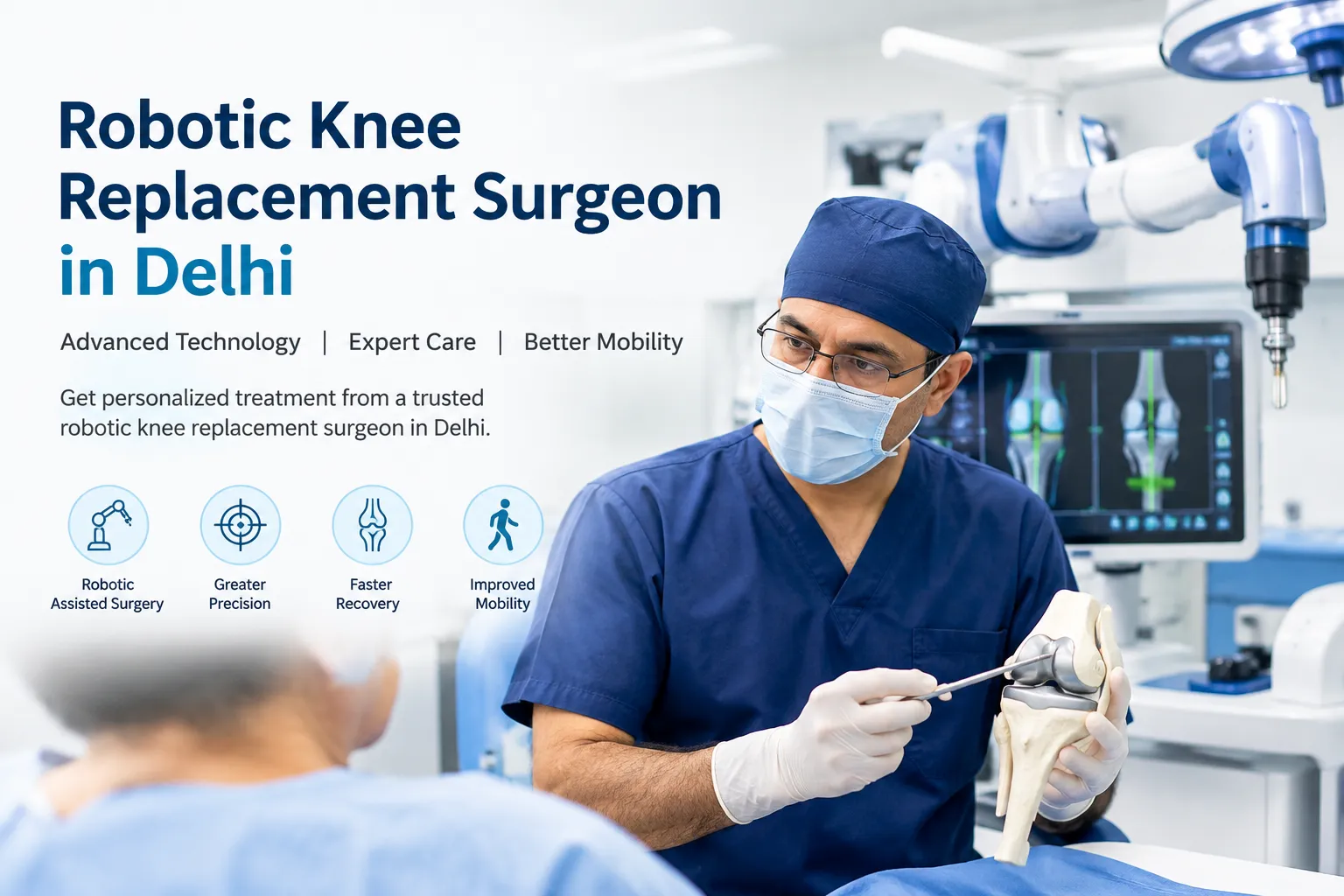
Persistent knee pain can make walking, climbing stairs, standing up from a chair, and sleeping comfortably increasingly difficult. When arthritis or joint damage progresses, medicines, physiotherapy, and other non-surgical treatments may no longer provide sufficient relief. In selected cases, robotic-assisted surgery can help surgeons plan and perform joint replacement with greater precision. A Robotic knee replacement surgeon in delhi uses advanced technology alongside clinical expertise to assess the knee, plan implant positioning, and guide specific surgical steps according to the patient's anatomy. Understanding how this approach works can help patients make informed decisions about treatment.
What Is Robotic-Assisted Knee Replacement Surgery?
Robotic-assisted knee replacement is a surgical technique in which computer-based planning and robotic guidance help the surgeon prepare the bone and position the implant. The technology provides information about the patient's joint anatomy, alignment, and movement during surgery. However, the robot does not perform the operation independently. The surgeon remains responsible for clinical decisions, surgical technique, and patient safety.
The purpose is to develop a treatment plan suited to the individual rather than relying entirely on standard measurements. Depending on the patient's condition, robotic assistance may be considered for partial or complete replacement of the damaged knee joint. Its suitability depends on clinical examination, imaging findings, the extent of arthritis, and the patient's overall health.
How Does Robotic Technology Improve Surgical Planning?
Robotic technology helps surgeons plan knee replacement using detailed measurements of the patient's joint. A knee replacement surgeon in delhi can use this information to assess alignment, plan implant positioning, and tailor the procedure to individual needs.
During surgery, robotic guidance helps verify measurements and supports precise bone preparation. The surgeon remains in control and makes decisions based on the patient's anatomy, ligament balance, and joint movement.
This personalised approach aims to support proper implant alignment and stable joint function. However, outcomes depend on several factors, including surgical expertise and postoperative rehabilitation.
Which Steps Are Involved in Robotic Knee Replacement?
The procedure generally involves several stages, from the initial assessment to postoperative rehabilitation. The exact process may differ according to the robotic system, the patient's condition, and the type of replacement required.
-
Preoperative assessment: The surgeon reviews symptoms, medical history, physical examination findings, and relevant imaging to determine whether surgery is appropriate.
-
Three-dimensional planning: Where the system requires it, a CT scan is used to create a digital model of the knee. This helps plan bone preparation and implant positioning according to the patient's anatomy.
-
Robotic-assisted bone preparation: During surgery, the system guides the surgeon within predefined boundaries to help carry out planned bone cuts.
-
Alignment and ligament assessment: Measurements taken during the procedure help the surgeon evaluate joint balance, movement, and implant positioning.
-
Implant placement: The surgeon selects and places the appropriate components, checking their fit and stability before completing the operation.
-
Early mobilisation: Once medically appropriate, the patient begins supported movement and follows an individualised rehabilitation programme.
These steps help integrate digital planning with surgical expertise. The technology assists the surgeon; it does not eliminate surgical judgement or guarantee a particular outcome.
Who May Benefit From Robotic Knee Replacement?
Not every patient with knee pain needs an operation. Treatment decisions should consider the cause of the pain, the severity of joint damage, functional limitations, and response to conservative care. knee replacement Surgery in delhi may be considered when advanced arthritis substantially affects daily activities and non-surgical treatments no longer provide adequate relief.
A specialist assessment may be useful if you experience:
-
Persistent pain that limits walking, standing, or sleeping.
-
Advanced osteoarthritis or selected cases of inflammatory arthritis affecting the knee.
-
Progressive bow-legged or knock-kneed deformity associated with joint damage.
-
Stiffness and reduced movement that interfere with everyday activities.
-
Continued symptoms despite appropriate medication, physiotherapy, or other recommended treatments.
Robotic assistance may be an option for suitable patients, but conventional surgery can also produce good outcomes when appropriately planned and performed. The choice should be based on medical needs rather than technology alone. Your surgeon can explain the available options, their limitations, and whether partial or complete joint replacement is appropriate.
What Are the Benefits and Recovery Expectations?
Robotic Knee Replacement may help improve the precision of surgical planning and implant positioning. Real-time information can also assist the surgeon in assessing joint alignment and soft-tissue balance. These features are intended to support a well-planned procedure, but they do not guarantee less pain, faster recovery, or longer implant life for every patient.
Potential advantages and important considerations include:
-
Personalised planning: Digital measurements help tailor the surgical plan to the patient's anatomy.
-
Guided bone preparation: Robotic assistance helps the surgeon follow planned boundaries during selected surgical steps.
-
Joint balance assessment: Intraoperative measurements support decisions about alignment and ligament tension.
-
Rehabilitation support: Early supervised movement and physiotherapy help rebuild strength, mobility, and confidence.
-
Individual recovery timelines: Hospital stay and return to routine activities depend on pain control, overall health, surgical findings, and progress with rehabilitation.
After surgery, patients may begin standing and walking with assistance when medically appropriate. A structured physiotherapy programme commonly continues for several weeks, with activity increased gradually. Possible complications include infection, blood clots, stiffness, persistent pain, and implant-related problems. Your surgeon should explain the benefits, risks, expected expenses, and realistic recovery milestones before treatment.
Where Can You Discuss Robotic Knee Replacement Treatment?
Choosing the right treatment begins with a careful evaluation of your symptoms, imaging, medical history, and personal goals. A qualified specialist can explain whether robotic assistance offers meaningful advantages for your particular condition or whether another treatment approach would be more suitable. Ask about the surgeon's experience, the technology being used, rehabilitation arrangements, possible complications, and the expected financial commitment. Informed decisions help patients understand what surgery can realistically achieve and prepare for recovery.
Ready to Take the Next Step Towards Better Knee Mobility?
Dr. L. Tomar provides orthopaedic and joint replacement consultations in Delhi, including robotic-assisted treatment assessment. Visit or call +91 99100 00159 You can also email ltomar@rediffmail.com to enquire about a consultation and discuss suitable treatment options.