Rheumatoid Arthritis Cellular Therapy Doctor in Mumbai: Exploring Treatment Options
8 Views
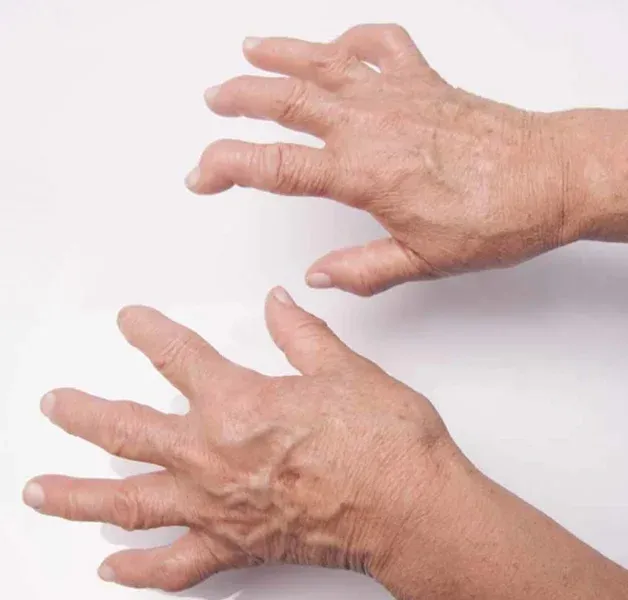
Rheumatoid arthritis is a chronic autoimmune condition that causes inflammation in the joints and may lead to pain, swelling, stiffness, and reduced mobility. People searching for a rheumatoid arthritis cellular therapy doctor in Mumbai often want to understand emerging treatment options and whether cellular therapies could help manage their condition. Understanding the available medical evidence, established treatments, and potential risks is essential before making healthcare decisions.
Although advances in regenerative medicine have generated interest in cellular therapy, it is important to distinguish experimental approaches from established rheumatoid arthritis treatments. A qualified specialist can help patients explore suitable options based on their symptoms, medical history, and disease activity.
Understanding Rheumatoid Arthritis and Its Symptoms
Rheumatoid arthritis (RA) is an autoimmune disease in which the immune system mistakenly attacks the lining of the joints. It commonly affects the hands, wrists, and feet, although other joints and organs can also be involved.
Common symptoms include:
-
Joint pain, swelling, and tenderness
-
Morning stiffness that may last for an extended period
-
Fatigue and general weakness
-
Difficulty gripping objects or performing daily activities
-
Reduced joint flexibility and mobility
Early diagnosis is important because untreated inflammation can cause permanent joint damage. Medical assessment may include a physical examination, blood tests, and imaging studies to evaluate inflammation and joint changes.
Rheumatoid Arthritis Cellular Therapy Doctor in Mumbai: What to Know
Cellular therapy is an area of medical research that investigates the potential use of cells, including mesenchymal stromal or stem cells, to influence immune responses and inflammatory processes. Researchers are studying whether these approaches may eventually offer additional options for certain autoimmune conditions.
However, stem cell and other cellular therapies are not established routine treatments for rheumatoid arthritis. Their effectiveness, long-term safety, and appropriate use remain under investigation. Patients should be cautious of claims that cellular therapy can cure rheumatoid arthritis or permanently reverse joint damage.
When consulting a rheumatoid arthritis cellular therapy doctor in Mumbai, patients should ask:
-
Is the proposed therapy supported by reliable clinical evidence?
-
Is it being offered within an appropriately authorised clinical trial?
-
What are the potential side effects, uncertainties, and long-term risks?
-
What established treatment options are available?
-
What follow-up care and monitoring will be required?
These questions can help patients make informed decisions and avoid unproven treatments that may be costly or harmful.
Established Treatment Options for Rheumatoid Arthritis
Current rheumatoid arthritis management aims to control inflammation, relieve symptoms, prevent joint damage, and maintain daily function. Treatment plans vary according to disease severity and individual health needs.
Disease-modifying antirheumatic drugs (DMARDs): Medicines such as methotrexate are commonly used to control disease activity and reduce the risk of joint damage. Other conventional, biologic, or targeted synthetic DMARDs may be considered when appropriate.
Anti-inflammatory medicines: Certain medicines may help relieve pain and stiffness, although they do not replace treatments that control the underlying disease.
Physiotherapy and occupational therapy: Guided exercises and practical adaptations may support mobility, joint function, and independence.
Regular monitoring: Follow-up appointments and laboratory tests help clinicians assess treatment response, monitor side effects, and adjust medications when necessary.
Patients should not discontinue prescribed medication or replace established treatment with cellular therapy without discussing the decision with their treating rheumatologist.
Choosing the Right Specialist for Rheumatoid Arthritis Care
When looking for specialist care in Mumbai, consider the clinician's qualifications, experience managing autoimmune joint conditions, access to appropriate investigations, and willingness to explain treatment choices clearly.
Dr. B.S Rajput's Ortho Centre can be contacted to enquire about relevant consultation services and referral options. Patients should confirm whether the centre provides rheumatoid arthritis assessment or cellular therapy-related consultations before booking an appointment.
Bring previous blood reports, imaging results, medication records, and a list of symptoms to the consultation. These details can help the healthcare professional understand the condition and discuss appropriate next steps.
Conclusion
Rheumatoid arthritis requires timely diagnosis, consistent monitoring, and a personalised treatment plan. Although cellular therapy is being investigated for autoimmune diseases, it is not currently an established routine treatment for rheumatoid arthritis. Anyone considering this approach should review the evidence, risks, and available alternatives with a qualified medical professional. Dr. B.S Rajput's Ortho Centre can be contacted to confirm relevant consultation and referral services.
Frequently Asked Questions (FAQs)
1. What does a rheumatoid arthritis cellular therapy doctor in Mumbai evaluate?
A qualified clinician can assess symptoms, disease activity, previous treatments, and overall health to help determine suitable care options. Patients should verify the clinician's relevant qualifications and experience.
2. Can cellular therapy cure rheumatoid arthritis?
No established cellular therapy has been proven to cure rheumatoid arthritis. Research is ongoing, and claims of guaranteed or permanent cures should be treated with caution.
3. What is the standard treatment for rheumatoid arthritis?
Treatment commonly includes disease-modifying antirheumatic drugs, regular monitoring, and supportive therapies such as physiotherapy. The appropriate plan depends on individual medical needs.
4. Is early treatment important for rheumatoid arthritis?
Yes. Early diagnosis and appropriate treatment can help control inflammation and reduce the risk of permanent joint damage.
5. What should patients ask before considering stem cell therapy?
Ask about clinical evidence, regulatory authorisation, possible complications, long-term follow-up, costs, and established alternatives. Discuss the proposed treatment with a qualified rheumatologist.
6. Can rheumatoid arthritis affect parts of the body beyond the joints?
Yes. Rheumatoid arthritis can sometimes affect the eyes, lungs, heart, blood vessels, and other organs, making regular medical monitoring important.
Related Reading
Top 10 Hidden Secrets About Business & Finance You Need to Know
Welcome to our in-depth exploration of Business & Finance. In an era defined...
Why Business & Finance is Transforming the Global Industry Landscape
Welcome to our in-depth exploration of Business & Finance. In an era defined...