Revive Crown Density Naturally with Advanced Hair Transplant Surgery
66 Views
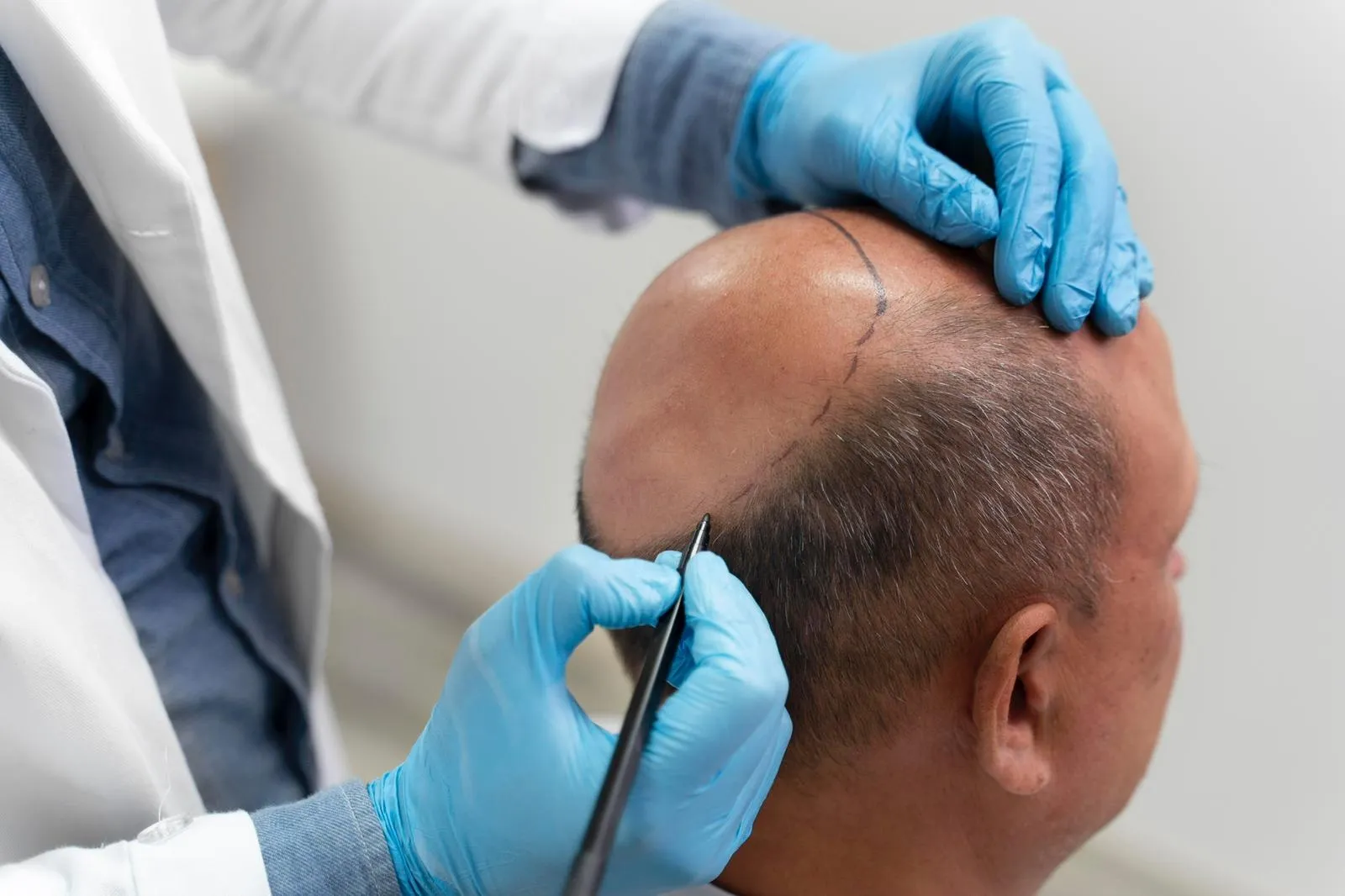
Crown thinning can gradually change the way your entire scalp looks, especially when the hair at the vertex becomes noticeably sparse. For people exploring Crown hair transplants in Dubai, modern hair restoration offers a way to improve coverage by redistributing healthy follicles from a suitable donor area to the thinning crown. Unlike temporary styling solutions, transplantation is designed to restore growing hair directly where density has been lost, making careful planning essential for a natural-looking result.
Why Does Crown Hair Become Thin?
The crown, also called the vertex, is a common area affected by androgenetic or pattern hair loss. In many people, thinning begins subtly, with the scalp becoming more visible under bright light before a clearly defined bald spot develops.
Genetics, age, hormonal sensitivity, and the progression of hair loss can all influence crown density. Because hair loss may continue over time, diagnosing the underlying pattern before surgery is important. The American Academy of Dermatology notes that appropriate candidates generally need sufficient healthy donor hair and the ability to grow hair in the thinning recipient area.
For this reason, a crown transplant should not simply focus on filling the visible area. The surgeon must also consider how the surrounding hair may change in the future.
How Hair Transplant Surgery Restores Crown Density
Hair transplantation works by relocating follicles from a donor area, commonly the back and sides of the scalp, to the crown or another area affected by hair loss. These follicles are selected because they are generally more resistant to the pattern of hair loss affecting the recipient region.
Two commonly discussed harvesting approaches are follicular unit extraction (FUE) and strip harvesting, also known as FUT. With FUE, individual follicular units are removed from the donor region, while FUT involves removing a strip of hair-bearing skin before individual grafts are prepared.
Once the grafts are ready, they are carefully positioned within the thinning crown. The direction, angle, spacing, and distribution of grafts matter because the crown has a naturally changing growth pattern that requires thoughtful placement rather than simply adding as many grafts as possible.
What Makes Crown Restoration Look Natural?
Achieving convincing crown hair restoration is not only about increasing the number of hairs. It is also about creating the appearance of density while preserving donor resources for possible future needs.
A specialist may consider several factors during treatment planning:
- Existing crown hair and the extent of thinning
- Donor hair density and follicle quality
- Hair thickness, texture, and natural curl
- The direction and growth pattern of the crown
- Current and expected future hair loss
- The amount of donor hair that can be safely harvested
ISHRS emphasizes that donor-area assessment is a major part of successful transplantation because donor hair is a limited resource. Family history, age, hair density, and the likelihood of future progression can all influence the surgical plan.
This individualized approach helps avoid excessive harvesting while creating balanced coverage.
What Happens During a Crown Hair Transplant?
A crown-focused transplant usually begins with a consultation and scalp assessment. The surgeon evaluates the pattern of hair loss, examines the donor region, and determines whether transplantation is appropriate.
During surgery, the selected donor follicles are harvested and prepared for placement. The recipient area is then carefully designed so that grafts follow the natural direction of existing crown hair. According to the AAD, hair transplant procedures commonly take several hours, with the exact duration depending on the amount of hair being transplanted.
After the procedure, small crusts can develop around grafts and gradually shed. It is also normal for transplanted hairs to shed temporarily during the early healing period. This does not necessarily mean the procedure has failed; new growth develops gradually from the transplanted follicles.
When Can You Expect Fuller Crown Coverage?
Hair restoration is a gradual process rather than an instant transformation. The transplanted hairs typically need time to settle into their new environment before visible growth becomes noticeable.
The AAD reports that many patients begin seeing meaningful results around six to nine months after surgery, although some may require up to 12 months for the outcome to become apparent.
Early shedding can therefore be surprising for first-time patients. Understanding this timeline can make the recovery process easier to manage and helps maintain realistic expectations.
Long-term planning is equally important because transplantation does not stop untreated hair loss in areas that were not transplanted. Medical hair-loss treatments may sometimes be recommended to help preserve existing hair and maintain the overall appearance.
Who May Benefit from Crown Hair Transplantation?
Not everyone with crown thinning is automatically a suitable candidate. A professional evaluation is necessary to determine whether the available donor hair can provide the desired level of coverage.
A suitable candidate may have:
- Noticeable crown thinning or localized hair loss.
- Adequate healthy donor follicles.
- Sufficient recipient-area tissue capable of supporting transplanted follicles.
- A stable or appropriately managed pattern of hair loss.
- Realistic expectations about density and long-term results.
People experiencing unexplained or rapidly progressing hair loss should first receive an appropriate diagnosis. Certain scalp conditions, including scarring forms of alopecia, can require medical management before transplantation is considered.
A Strategic Approach to Fuller Crown Coverage
The crown often requires strategic distribution of grafts because the available donor supply is finite. A skilled hair restoration specialist may prioritize areas where additional coverage creates the greatest visual improvement rather than attempting to reproduce the density of naturally growing hair.
ISHRS explains that the recipient area requires careful consideration of graft type, placement angle, direction, hair characteristics, and the patient's overall hair-loss pattern. In some cases, larger areas of crown loss may require more than one procedure depending on donor availability and treatment goals.
This is why choosing an experienced hair restoration professional is more important than focusing solely on the number of grafts offered. An overly aggressive approach can compromise the donor area and limit options for future restoration.
Conclusion: A Natural Path Toward Improved Crown Density
Crown thinning can be frustrating, but modern transplantation can provide a long-term way to improve coverage when the right candidate has adequate donor hair. Careful donor assessment, precise graft placement, realistic expectations, and attention to future hair loss all contribute to a natural-looking outcome. For those considering Crown hair transplants in Dubai, a personalized consultation can help determine whether surgery is suitable and what level of crown improvement may realistically be achieved.
Ultimately, Crown hair transplants treatment should be planned around the individual's hair-loss pattern rather than a one-size-fits-all approach. A thoughtful surgical strategy can help revive crown density while protecting valuable donor hair for the future.