Restaurant Digital Signage: Transforming the Dining Experience
By NentoUSA
9 Views
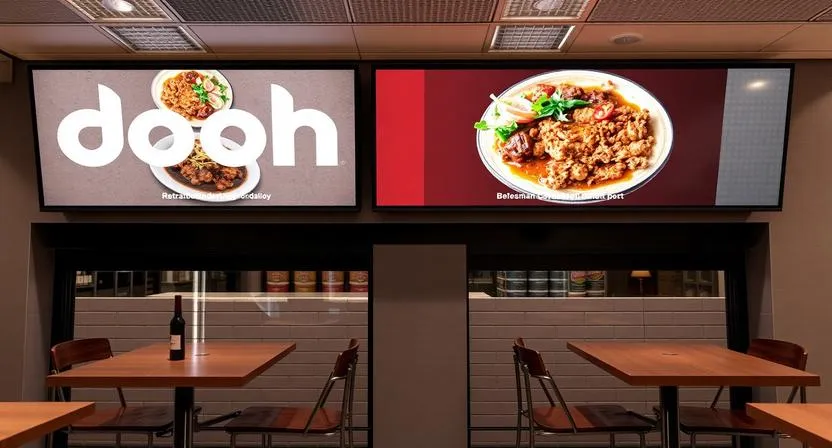
Restaurant digital signage is changing how food service businesses communicate with their guests. From quick service counters to fine dining entrances, digital signage for restaurants has become a powerful tool for menu display, promotion, and brand storytelling. This article explores what restaurant digital signage is, how it works, and why it matters for modern food businesses.
What Is Restaurant Digital Signage?
Restaurant digital signage refers to any screen based system used to display content inside or outside a food service establishment. This includes digital menu boards, promotional screens, digital drive thru displays, waiting area screens, and self ordering kiosks.
Unlike traditional printed menus and posters, digital signage uses software to control what appears on each screen. Owners and managers can update content in seconds, schedule changes by time of day, and even run different promotions at different locations from a single dashboard.
Why Digital Signage for Restaurants Matters
Instant Menu Updates
Prices change. Items sell out. Seasonal specials come and go. With printed menus, every change means a new print run. With digital signage, a few clicks update every screen instantly. This saves money and eliminates the awkward moment when a customer orders something that is no longer available.
Stronger Visual Appeal
Food is visual. High quality photos and short videos of sizzling burgers, fresh salads, or dripping desserts capture attention far better than text alone. Digital menu boards use motion, color, and imagery to make menu items look irresistible.
Better Upselling and Cross Selling
Digital signage can highlight combos, add ons, and limited time offers at the exact moment a customer is deciding what to order. A well placed screen near the register can suggest fries with that sandwich or a drink upgrade, boosting average ticket size without any extra staff effort.
Improved Speed of Service
Clear, well designed digital menus help customers decide faster. When people know what they want before reaching the counter, lines move quicker and order accuracy improves. This is especially valuable during busy lunch and dinner rushes.
Dayparting and Smart Scheduling
Breakfast, lunch, and dinner menus can switch automatically based on the time of day. Digital signage software supports dayparting, so the right items appear at the right hours without any manual intervention. Some systems even adjust content based on weather, foot traffic, or inventory levels.
Common Types of Restaurant Digital Signage
Digital Menu Boards sit above the counter or behind the drive thru and replace static menu panels. They are the most common form of restaurant digital signage.
Promotional Screens run in waiting areas, entryways, or dining rooms to showcase new items, loyalty programs, or brand stories.
Drive Thru Displays use bright, high contrast screens built to be readable in sunlight and weather.
Self Ordering Kiosks combine digital menus with touch input so guests can order and pay without staff assistance.
Digital Posters and Window Displays attract foot traffic from outside by advertising specials and hours.
Key Features to Look For
When choosing a digital signage system for a restaurant, consider these features:
- Cloud based content management for remote updates
- Templates designed for menu boards and food photography
- Scheduling and dayparting tools
- Support for images, video, and animations
- Integration with point of sale or inventory systems
- Reliable hardware rated for heat, grease, and long operating hours
- Remote monitoring so problems are caught before they affect service
Design Tips for Restaurant Digital Signage
Great content makes great signage. Keep these principles in mind:
- Keep text large and readable from a distance.
- Use a simple layout with clear categories and prices.
- Limit the number of items per screen to avoid clutter.
- Use consistent branding colors and fonts.
- Rotate promotional content regularly so it stays fresh.
- Place screens at eye level and avoid glare from windows.
- Test content during real business hours to confirm readability.
Measuring the Impact
Digital signage is not just about looking modern. It should deliver measurable results. Track metrics such as average ticket size, sales of promoted items, order accuracy, and customer wait times before and after installation. Many restaurants see higher sales of featured items and faster service within the first few months.
Challenges to Consider
Digital signage does require an initial investment in screens, mounts, media players, and software. It also needs ongoing content management so screens do not go stale. Power and network reliability matter, and hardware must be protected from heat and grease in kitchen adjacent areas. Planning these details upfront prevents costly problems later.
The Future of Restaurant Digital Signage
The next wave of restaurant digital signage is more interactive and more intelligent. Expect to see menus that adapt to inventory in real time, screens that recognize repeat customers through loyalty apps, and AI driven suggestions based on ordering patterns. Voice ordering and contactless payments will continue to merge with digital displays, creating a smoother path from browsing to purchase.
Final Thoughts
Restaurant digital signage is no longer a luxury for large chains. Affordable hardware and cloud software have made it accessible to independent restaurants, cafes, food trucks, and multi location brands alike. When used well, digital signage for restaurants improves menu clarity, boosts sales, speeds up service, and creates a more memorable guest experience. For any food business looking to stay competitive, it is an investment worth serious consideration.