Residential Solar Systems: A Complete Guide for Australian Homeowners
By sunray power
101 Views
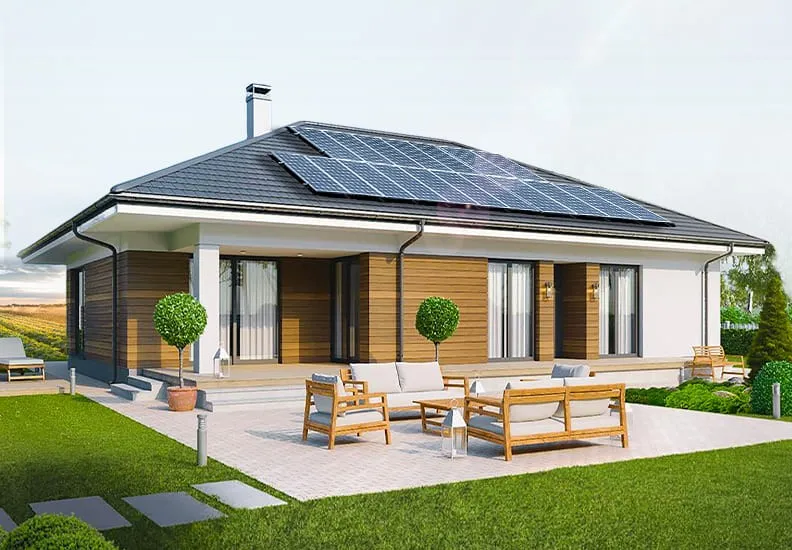
Residential Solar Systems: A Complete Guide for Australian Homeowners
Electricity costs continue to rise across Australia, encouraging many homeowners to explore smarter ways to power their homes. Residential solar systems have become one of the most practical solutions for reducing dependence on grid electricity while taking advantage of Australia's abundant sunshine.
Whether you are considering solar for the first time or comparing your options, understanding how residential solar systems work can help you make an informed decision. From lowering power bills to increasing energy independence, the benefits extend well beyond short-term savings.
What Are Residential Solar Systems?
Residential solar systems are solar power setups specifically designed for homes. They convert sunlight into usable electricity through photovoltaic (PV) panels installed on rooftops.
A typical residential solar system includes:
- Solar panels that capture sunlight.
- An inverter that converts direct current (DC) into alternating current (AC) used by household appliances.
- Mounting equipment that secures the panels to the roof.
- Monitoring systems that track energy production.
- Optional battery storage for storing excess energy.
Australia remains one of the world's leading adopters of rooftop solar, with millions of households already generating their own electricity.
Why Are Residential Solar Systems Becoming So Popular?
Several factors contribute to the growing demand for residential solar systems.
Rising Electricity Prices
Many Australian households are looking for ways to control increasing energy expenses. Generating electricity at home reduces the amount purchased from energy retailers.
Abundant Australian Sunshine
Australia receives excellent sunlight throughout the year, making solar energy a practical option for homeowners in most regions.
Government Incentives
Eligible households can benefit from rebates and incentives that help lower the initial installation costs.
Growing Interest in Energy Independence
Homeowners increasingly value the ability to generate their own electricity and reduce reliance on the grid.
How Do Residential Solar Systems Work?
The process is straightforward:
- Solar panels absorb sunlight.
- The panels generate DC electricity.
- The inverter converts DC electricity into AC electricity.
- Your home uses this electricity to power appliances.
- Excess energy can either be exported to the grid or stored in a battery system.
This process happens automatically throughout the day whenever sunlight is available.
Benefits of Installing Residential Solar Systems
Lower Electricity Bills
One of the biggest advantages is the potential reduction in electricity costs. By using the power generated from your rooftop, you rely less on purchased electricity.
Long-Term Savings
Although solar requires an upfront investment, many households recover their costs over several years through reduced utility expenses. Payback periods often range between four and eight years depending on usage patterns and available incentives.
Reduced Carbon Footprint
Solar energy produces electricity without direct emissions during operation, helping households reduce their environmental impact.
Increased Property Appeal
Energy-efficient features can make properties more attractive to future buyers seeking lower running costs.
Low Maintenance Requirements
Residential solar systems generally require minimal upkeep. Occasional cleaning and routine inspections help maintain performance over time.
Choosing the Right Residential Solar System
Not every household has the same energy needs. Several factors should be considered before installation.
Household Energy Usage
Review your electricity bills to understand how much energy your family consumes throughout the year.
Roof Size and Orientation
The available roof space, angle, and exposure to sunlight influence how many panels can be installed and how efficiently they perform.
System Size
Common residential system sizes include:
- 5kW systems for smaller households.
- 6.6kW systems for average families.
- 10kW systems for larger households with higher electricity consumption.
Product Quality
Choosing quality panels, inverters, and professional installation can improve reliability and long-term performance.
Should You Add a Solar Battery?
Many homeowners are now pairing their solar setup with battery storage.
A solar battery for house allows you to store excess electricity generated during the day and use it later, especially during evenings when solar production decreases.
Benefits of battery storage include:
- Greater energy independence.
- Reduced reliance on grid electricity.
- Improved use of self-generated energy.
- Backup support during certain power interruptions, depending on the system design.
Internal Link Suggestion: Learn more about choosing the right solar battery for house to maximise the value of your solar investment.
Is a Residential Solar System Worth It?
For many Australian homeowners, the answer is yes.
Residential solar systems provide a practical way to manage rising energy costs while supporting a cleaner energy future. The combination of lower electricity bills, available incentives, and Australia's favourable climate makes solar a worthwhile consideration.
The value you receive depends on several factors, including:
- Your household's energy consumption.
- The quality of the installation.
- The size of the system.
- Whether battery storage is included.
Carefully assessing these factors can help ensure you choose a solution suited to your needs.
Conclusion
Residential solar systems have transformed the way Australian households consume energy. They offer a reliable method of generating electricity, reducing energy expenses, and increasing control over household power usage.
Whether your goal is lowering electricity bills, reducing your environmental impact, or improving energy independence, investing in the right solar solution can deliver long-term benefits.
If you are considering making the switch, working with experienced professionals can help you select a system tailored to your home and future energy needs. With the right guidance and quality products, residential solar systems can become a valuable investment for years to come.
Related Reading
Expert Insights: Navigating the Complex World of Home Improvement
Welcome to our in-depth exploration of Home Improvement. In an era defined by ra...
Why Home Improvement is Transforming the Global Industry Landscape
Welcome to our in-depth exploration of Home Improvement. In an era defined by ra...