How to Handle Water Damage in a Rental Property
12 Views
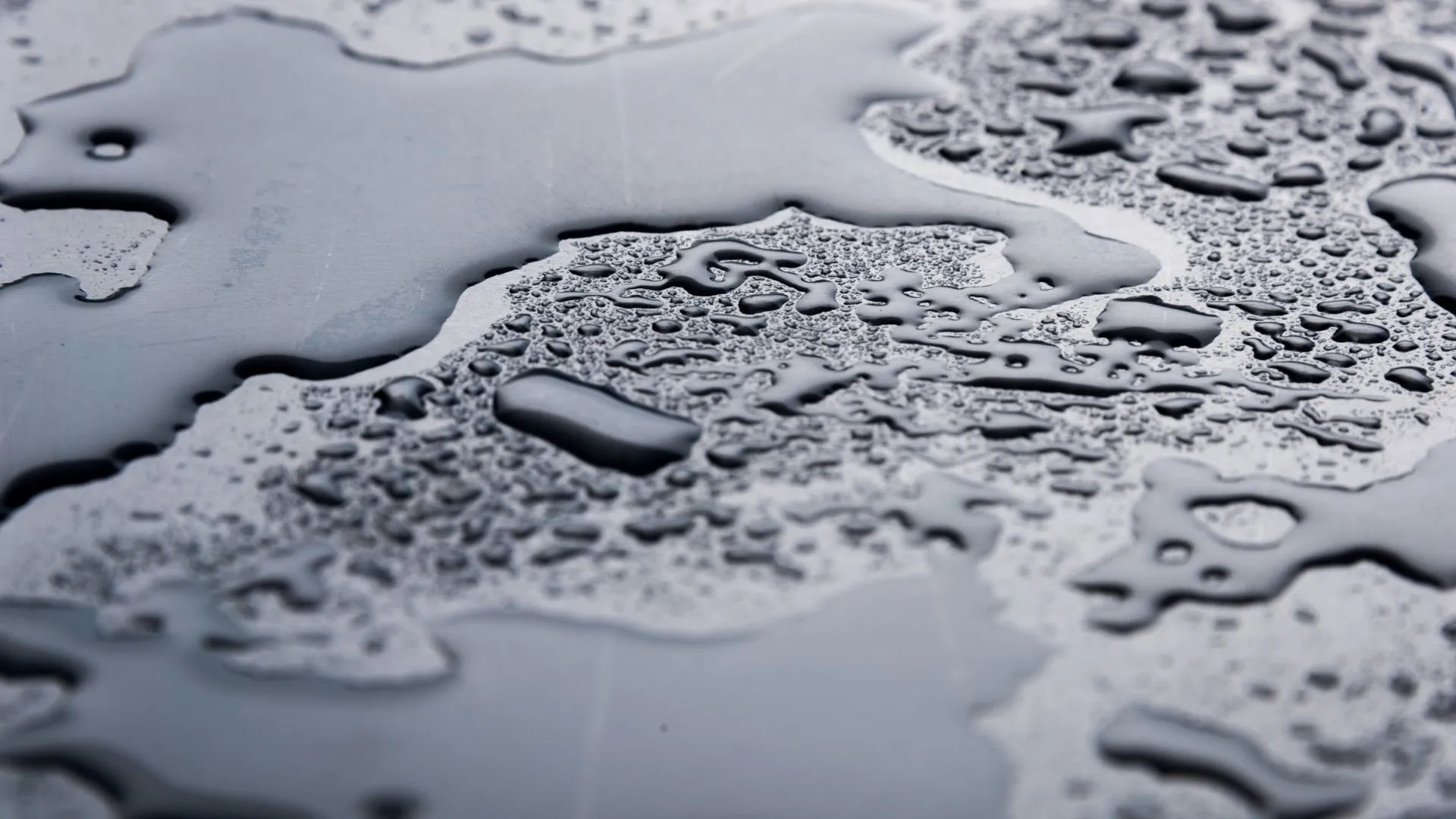
Water damage in a rental property can create stress for both tenants and property owners. A leaking pipe, overflowing appliance, roof leak, or storm-related flooding can damage floors, walls, furniture, and personal belongings. Knowing what to do first can help limit further damage and make the recovery process easier.
For landlords and tenants, quick communication and proper documentation are essential. KC Construction Services Inc provides restoration solutions for water damage, helping property owners address moisture problems and restore affected areas.
Common Causes of Water Damage in Rental Homes
Water damage can happen unexpectedly, even when a property is regularly maintained. Some common causes include:
-
Plumbing leaks: Damaged pipes, loose connections, and leaking fixtures can allow water to spread into walls and flooring.
-
Appliance failures: Washing machines, dishwashers, and refrigerators with water connections can leak or overflow.
-
Roof leaks: Damaged shingles or flashing may allow rainwater to enter ceilings and interior spaces.
-
Storm flooding: Heavy rainfall and poor drainage can cause water to enter ground-level rooms and crawl spaces.
-
Bathroom overflows: Bathtub, sink, or toilet overflows can damage nearby flooring and lower building materials.
Identifying the source is important because cleaning up visible water alone will not resolve an ongoing leak.
What Should Tenants Do First?
If you discover water damage in a rental property, take these steps to protect yourself and the building.
1. Report the Problem Immediately
Contact the landlord or property manager as soon as you notice a leak, flooding, or water stains. Share clear photographs and explain where the damage occurred.
2. Stay Away From Electrical Hazards
Do not touch electrical appliances, outlets, or switches in wet areas. If water is near electrical equipment, leave the area and contact the appropriate emergency professional.
3. Protect Your Belongings
Move dry belongings away from affected areas when it is safe. Avoid walking through contaminated water or handling items that may pose a safety risk.
4. Document the Damage
Take photographs and videos of visible water, damaged furniture, affected walls, and flooring. Keep copies of communications with the landlord and any relevant receipts.
5. Avoid Concealing the Problem
Do not paint over water stains or cover damp areas before the moisture source has been addressed. Hidden moisture may cause further deterioration and mold growth.
What Should Landlords Do After Discovering Water Damage?
Property owners should respond quickly to protect the building and reduce disruption for tenants.
First, arrange for the water source to be stopped by a qualified professional. Next, assess the affected areas and determine whether water has entered drywall, insulation, subflooring, or other concealed materials.
Professional water damage restoration may involve water extraction, moisture assessment, structural drying, cleaning, and repairs. Some materials may require removal and replacement if they cannot be adequately dried or restored.
Landlords should also communicate clearly with tenants about access to the property, repair schedules, and any temporary safety precautions. Insurance requirements and responsibility for damaged belongings can vary, so both parties should review their policies and rental agreements.
Why Professional Water Damage Restoration Matters
Water can travel beyond the area where a leak first appears. For example, water from an upstairs bathroom may reach a ceiling below, spread into wall cavities, or affect flooring in adjacent rooms.
Professional restoration helps identify affected materials and determine whether additional drying or repairs are necessary. It can also help reduce the risk of lingering moisture and related mold problems.
KC Construction Services Inc offers water damage restoration and mitigation services for residential and commercial properties in Macon, Georgia, and surrounding Middle Georgia communities. The company can help assess damage, remove water, dry affected areas, and coordinate necessary restoration work.
If a rental property has experienced a leak or flooding, timely action can help prevent a manageable problem from becoming a more extensive repair project.
Frequently Asked Questions
Who should report water damage in a rental property?
Tenants should notify their landlord or property manager as soon as they discover water damage. Landlords should arrange appropriate inspections and repairs based on the circumstances and their responsibilities.
How quickly should water damage be addressed?
Water damage should be assessed as soon as possible. Prompt water removal and drying can help reduce material deterioration and the risk of mold growth.
Can water damage be hidden behind walls?
Yes. Water can enter wall cavities, insulation, and subflooring without producing obvious signs immediately. Persistent odors, peeling paint, discoloration, and warped materials may indicate concealed moisture.
Does homeowners insurance cover water damage in a rental property?
Coverage depends on the policy, the source of the water, and the circumstances of the loss. Property owners and tenants should review their respective policies and contact their insurers.
Where can property owners get water damage restoration in Macon, GA?
Property owners can contact KC Construction Services Inc for water damage restoration and mitigation services in Macon and surrounding Middle Georgia communities.
Get Help With Water Damage Restoration
Water damage should never be ignored, whether it occurs in a rental home or a commercial property. Prompt assessment, proper drying, and necessary repairs can help protect the building and support a smoother recovery.
Contact KC Construction Services Inc to discuss water damage restoration and mitigation needs.