Rent a Roll Off Truck: Costs, Types, and Rental Tips
8 Views
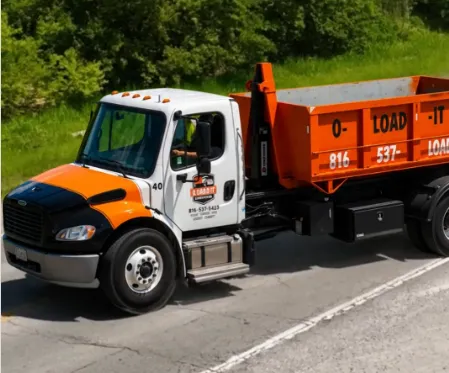
Renting a roll-off truck can help construction companies, waste management businesses, contractors, and commercial property owners transport large volumes of waste and materials efficiently. These trucks are designed to load, carry, and unload compatible containers, making them useful for construction debris, renovation projects, commercial cleanouts, and waste collection operations.
Choosing the right rental involves more than comparing prices. Truck capacity, lifting equipment, container compatibility, rental duration, insurance, and operator requirements can all affect the total cost and performance of the equipment.
A well-planned rent a roll off truck can help businesses manage hauling demands without the long-term financial commitment of purchasing a vehicle.
What Is a Roll-Off Truck?
A roll-off truck is a specialized commercial vehicle designed to transport detachable containers. Depending on the truck's configuration, a cable-hoist or hooklift mechanism loads and unloads containers from the vehicle.
These trucks are frequently used in waste management, construction, demolition, recycling, and industrial material handling. Their ability to exchange containers makes them practical for jobs that require waste to be collected at one location and transported to an approved disposal or processing facility.
Unlike standard dump trucks, which typically unload material by tilting their bodies, roll-off trucks generally transport removable containers that can remain at a worksite until they need to be collected.
Common Applications for Roll-Off Trucks
Roll-off trucks can support a wide range of commercial activities, including:
-
Construction and renovation: Transporting compatible containers filled with building debris.
-
Waste management: Collecting and delivering waste containers for disposal.
-
Commercial cleanouts: Removing large quantities of unwanted materials from offices, warehouses, and retail properties.
-
Demolition projects: Moving suitable demolition debris in approved containers.
-
Recycling operations: Transporting containers holding recyclable materials.
-
Industrial facilities: Moving compatible containers between production areas and processing locations.
The appropriate truck depends on the material being hauled, the container design, the route, and the project's operating requirements.
Types of Roll-Off Trucks Available for Rent
Different roll-off truck configurations are designed for specific container systems and hauling requirements. Understanding these differences helps businesses select equipment that works with their existing containers and job-site conditions.
Cable-Hoist Roll-Off Trucks
Cable-hoist trucks use a winch and cable system to pull compatible containers onto the truck chassis and lower them at the destination.
They are commonly used by established waste management companies and contractors that operate compatible roll-off containers.
Before renting, businesses should confirm the container's dimensions, lifting points, and weight requirements.
Hooklift Roll-Off Trucks
Hooklift trucks use a hydraulic arm and hook to load and unload compatible containers. These vehicles can be useful for businesses that exchange different containers during daily operations.
However, hooklift and cable-hoist systems are not automatically interchangeable. The truck and container must be compatible with the lifting mechanism, dimensions, and rated capacity.
Heavy-Duty Roll-Off Trucks
Heavy-duty roll-off trucks are designed for demanding commercial hauling operations, subject to the vehicle's rated specifications.
They may be appropriate for large construction projects, industrial waste handling, and high-volume container transportation.
When evaluating these trucks, businesses should examine payload capacity, gross vehicle weight rating, axle configuration, hydraulic system performance, and the weight of the empty container.
How Much Does It Cost to Rent a Roll-Off Truck?
Roll-off truck rental prices vary considerably depending on the location, truck configuration, rental period, mileage allowance, and whether a driver is included.
A truck-only rental may have a different pricing structure from a complete hauling service that includes a driver, fuel, containers, and disposal.
Main Factors Affecting Rental Costs
-
Rental duration: Daily, weekly, and monthly agreements may have different rates.
-
Truck specifications: Larger vehicles and specialized lifting systems can cost more.
-
Mileage and fuel: Some agreements include mileage, while others charge separately.
-
Driver or operator: An operated rental may include labor but cost more than a truck-only arrangement.
-
Insurance and deposits: Coverage requirements and refundable deposits can affect the initial expense.
-
Maintenance and breakdowns: The agreement should identify who handles repairs and replacement equipment.
-
Container availability: Renting containers alongside the truck may increase the total price.
How to Compare Rental Quotes
|
Cost item |
Questions to ask |
|---|---|
|
Base rental |
Is the price hourly, daily, weekly, or monthly? |
|
Mileage |
Is there a mileage limit or additional charge? |
|
Fuel |
Is fuel included in the quoted rate? |
|
Operator |
Is a qualified driver provided? |
|
Insurance |
What coverage and deductible apply? |
|
Container |
Is a compatible container included? |
|
Maintenance |
Who pays for repairs and downtime? |
|
Additional fees |
Are delivery, cleaning, or late-return fees applicable? |
For an accurate estimate, businesses should request an itemized quotation based on their location, required equipment, and intended use.
How to Choose the Right Roll-Off Truck Rental
Selecting the right truck requires matching the equipment to the work rather than choosing solely on price.
Assess the Project Requirements
Before contacting a rental company, businesses should identify:
-
The type and approximate weight of materials being hauled.
-
The container size and lifting system required.
-
The distance between the job site and the disposal facility.
-
The number of container exchanges expected each day.
-
The duration of the project.
-
Whether the truck will be operated by the renter or the rental provider.
These details help rental companies recommend an appropriate vehicle and provide a more accurate estimate.
Inspect the Truck Before Rental
A pre-rental inspection can help identify mechanical problems and reduce disputes over vehicle condition.
Important areas to inspect include:
-
Brakes, tires, lights, and steering.
-
Hydraulic hoses, cylinders, and lifting mechanisms.
-
Cables, hooks, locks, and container attachment points.
-
Warning indicators and safety equipment.
-
Visible damage, fluid leaks, and signs of poor maintenance.
Businesses should document existing damage and request confirmation that the truck's lifting equipment is maintained and suitable for the intended operation.
Roll-Off Truck Rental vs. Roll-Off Dumpster Rental
These services are related but serve different needs. Understanding the distinction can prevent businesses from paying for equipment they do not require.
|
Feature |
Roll-off truck rental |
Roll-off dumpster rental |
|---|---|---|
|
Main purpose |
Transporting and exchanging containers |
Providing a container for waste |
|
Equipment supplied |
Truck, depending on agreement |
Dumpster or container |
|
Typical user |
Haulers and waste management operators |
Contractors, property owners, and businesses |
|
Driver |
May be included or excluded |
Usually provided for delivery and collection |
|
Best suited for |
Repeated hauling and container exchanges |
Temporary waste collection at a site |
A business that needs to transport containers regularly may benefit from renting a roll-off truck. A business that simply needs debris removed from a property may find dumpster rental more practical.
Safety and Rental Requirements
Roll-off truck operations involve heavy loads, hydraulic lifting equipment, and moving vehicles. Proper training and equipment checks are essential.
Confirm Licensing and Insurance
Rental requirements depend on the country, vehicle classification, and operating conditions. Businesses should verify the driver's license category, applicable commercial vehicle rules, insurance coverage, and any required permits before using the truck.
The rental agreement should clearly establish responsibility for damage, accidents, maintenance, and equipment downtime.
Follow Safe Loading and Transport Practices
Containers must remain within the truck's rated capacity and be secured according to the equipment manufacturer's instructions and applicable regulations.
Workers should stay clear of moving containers and lifting mechanisms. Loading and unloading should take place on suitable ground, with adequate clearance from overhead hazards and nearby structures.
The U.S. Federal Motor Carrier Safety Administration provides specific cargo-securement requirements for applicable roll-on/roll-off and hooklift containers.
Frequently Asked Questions
Can a roll-off truck be rented for one day?
Yes, some rental providers offer short-term rentals. Availability depends on the vehicle type, location, and rental company's terms. Businesses should confirm minimum rental periods and any mileage or delivery charges.
Can a roll-off truck be rented with a driver?
Some providers offer trucks with qualified drivers or operators. This arrangement can be useful for businesses that do not have appropriately licensed personnel or prefer to outsource hauling operations.
What is the difference between a hooklift truck and a cable-hoist truck?
A hooklift truck uses a hydraulic hook arm to engage and move a compatible container. A cable-hoist truck uses a winch and cable arrangement. Each system requires compatible containers and must operate within its rated specifications.
Is renting a roll-off truck better than buying one?
Renting can be practical for short-term projects, seasonal demand, or occasional hauling requirements. Purchasing may be worth considering when a business needs a truck frequently and can justify the costs of ownership, maintenance, insurance, and storage.
What should be included in a roll-off truck rental agreement?
The agreement should identify the rental period, equipment specifications, permitted use, mileage allowance, insurance responsibilities, maintenance arrangements, fees, and return conditions. It should also clarify whether a driver or container is included.
Conclusion
Renting a roll-off truck can provide a flexible solution for construction companies, waste haulers, commercial contractors, and businesses managing large volumes of materials.
The most effective choice depends on the truck's lifting system, rated capacity, container compatibility, rental duration, and overall operating costs.
Before committing to a rental, businesses should compare complete quotations, inspect the equipment, confirm insurance and licensing requirements, and ensure that the selected truck meets the project's hauling needs. Careful planning helps reduce unexpected expenses while supporting safe and reliable operations.
Related Reading
Top 10 Hidden Secrets About Business & Finance You Need to Know
Welcome to our in-depth exploration of Business & Finance. In an era defined...
Why Business & Finance is Transforming the Global Industry Landscape
Welcome to our in-depth exploration of Business & Finance. In an era defined...