Why Puppies Need Liver Treats: Nutritious Rewards for Growing Dogs
By Alisha
7 Views
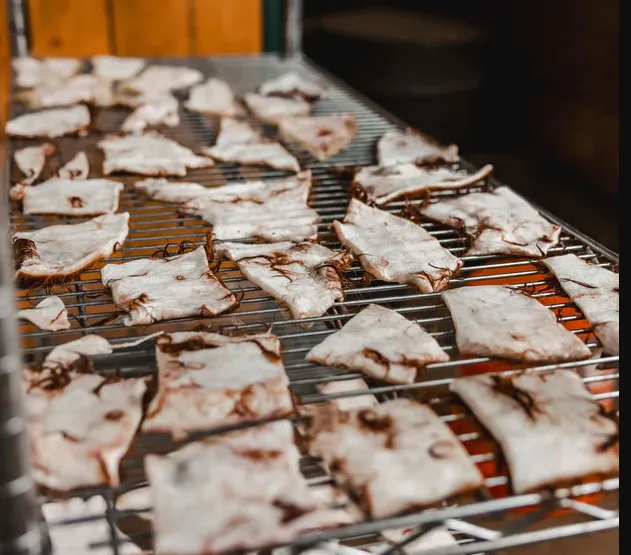
Puppies experience rapid growth and development during their early months, making balanced nutrition and appropriate feeding habits essential. Along with complete puppy food, small treats can help owners reward good behavior, encourage training, and build positive daily routines. Liver treats are one option that some pet owners consider because liver naturally contains protein, vitamins, and minerals.
However, treats should complement a puppy's regular diet rather than replace nutritionally complete meals. Understanding how to use liver treats for puppies responsibly can help owners make informed decisions about portions, ingredients, and feeding frequency.
Understanding Liver Treats for Growing Puppies
Liver treats are made from animal liver, commonly beef or chicken liver. They may be available in freeze-dried, air-dried, or other prepared forms. Each preparation method can affect texture, moisture content, and storage requirements.
Many pet owners prefer single-ingredient puppy treats because the ingredient list is straightforward. Products made entirely from liver can make it easier to identify the main ingredient, although owners should still check labels for additional components and feeding instructions.
Puppies have different nutritional needs from adult dogs. Their regular food should be specifically formulated for growth and provide the appropriate balance of protein, fats, vitamins, minerals, and calories. Liver treats should remain an occasional supplement to that diet.
Nutritional Value of Liver Treats
Liver naturally contains several nutrients, including protein, vitamin A, vitamin B12, and iron. Protein supports the development and maintenance of body tissues, while vitamin B12 contributes to normal nerve function and red blood cell formation. Iron is essential for oxygen transport throughout the body.
These nutrients make liver a nutrient-dense ingredient, but more is not necessarily better. Liver contains concentrated amounts of vitamin A, and excessive intake over time can cause health problems.
For growing puppies, the priority should always be a complete and balanced diet designed for their life stage. Treats do not provide the balanced nutrition puppies need for healthy development when used as a substitute for their main food.
How Liver Treats Can Help with Puppy Training
Training is an important part of raising a well-adjusted dog. Puppies gradually learn household routines, basic commands, appropriate social behavior, and how to respond to their owners.
Small, appealing rewards can make positive reinforcement more effective. Liver treats may be useful when teaching commands such as “sit,” “stay,” and “come.” They can also reward calm behavior during grooming, handling, and short training exercises.
To prevent excessive feeding, break suitable treats into small pieces before starting a session. Puppies can often receive frequent rewards without needing a large portion each time.
Owners should also use praise, toys, and play as rewards. This creates variety and prevents training from relying entirely on food.
Selecting Suitable Liver Treats for Puppies
Not every treat marketed for dogs is appropriate for young puppies. Before purchasing liver treats, consider the puppy's age, size, chewing ability, and dietary requirements.
Look for products with clear ingredient lists and age-appropriate feeding guidance. The manufacturer should provide information about storage and safe handling. If the package does not clarify whether a product is suitable for puppies, contact the manufacturer or ask your veterinarian.
Some liver treats can be firm or brittle, depending on how they are prepared. Select a texture that is appropriate for your puppy, and supervise every treat session.
For puppies with food sensitivities, digestive concerns, or a veterinarian-prescribed diet, seek professional guidance before introducing new treats.
How Many Liver Treats Should Puppies Receive?
Portion control is particularly important during growth. Treats and other extras should generally account for no more than 10% of a dog's daily calorie intake, with at least 90% coming from complete and balanced food. For growing puppies, keeping treats modest is especially important because their nutritional needs must be met by their main diet.
The appropriate amount of liver treats depends on the puppy's weight, age, daily calorie needs, and the product's nutritional content. Follow package recommendations and introduce new treats gradually.
Avoid feeding large amounts of liver or making it a daily dietary staple without veterinary guidance. Excessive liver consumption can result in too much vitamin A and may disrupt nutritional balance.
If you are unsure about serving size, ask your veterinarian for advice based on your puppy's individual needs.
Freeze-Dried and Air-Dried Liver Treats
Pet owners may encounter both freeze-dried and air-dried liver treats. Freeze-drying removes moisture from frozen liver under controlled conditions, while air-drying uses a controlled drying process to reduce moisture.
Both formats may be convenient for training and rewarding. Their texture, shelf life, and handling requirements can differ, so the manufacturer's instructions should guide storage and use.
It is important not to assume that drying automatically makes a treat free from harmful microorganisms. Buy from reputable manufacturers with appropriate food-safety practices, and follow the product's handling directions.
Keep packages sealed as instructed and protect treats from moisture or contamination.
Safety Tips for Feeding Liver Treats
Introducing new foods gradually can help owners monitor how their puppies respond. Begin with a small amount and watch for digestive changes, including vomiting, diarrhea, or unusual discomfort.
Stop offering the treat if a concerning reaction occurs. Contact a veterinarian if symptoms persist or appear severe.
Always supervise puppies when they eat treats. Select pieces that are appropriate for their size and ability to chew, and avoid giving treats that could be swallowed whole or cause choking.
Treats should also be included in the puppy's overall feeding plan. If a puppy receives training rewards throughout the day, adjust the amount of other treats accordingly while maintaining the recommended quantity of complete puppy food.
Building Healthy Treating Habits
A consistent feeding routine helps puppies develop healthy habits. Use treats purposefully for training, rewarding desired behavior, or creating positive experiences during everyday activities.
Keep track of treat portions, read product labels, and store treats according to the manufacturer's directions. Fresh water should always be available.
Remember that a healthy puppy routine involves more than treats. Appropriate exercise, sleep, socialization, veterinary care, and complete nutrition all contribute to development.
Conclusion
Liver treats can be flavorful rewards for puppies when used carefully and in small portions. Their naturally occurring nutrients make them appealing to pet owners, but balanced puppy food should remain the foundation of daily nutrition. Selecting suitable products, following feeding guidance, and monitoring individual reactions can help support responsible treat habits.
For pet owners seeking convenient dog-treat options, Ugly Chews offers products to consider when planning a rewarding routine for their pets. Visit Ugly Chews to browse available treats and find suitable options while keeping your puppy's nutritional needs and portion sizes in mind.
Frequently Asked Questions
1. Are liver treats suitable for puppies?
Some liver treats may be suitable for puppies when offered in small portions. Check age recommendations and consult your veterinarian if you are unsure.
2. What nutrients are found in liver treats?
Liver naturally contains protein, vitamin A, vitamin B12, iron, and other nutrients. Because it is nutrient-dense, excessive feeding should be avoided.
3. Can puppies have freeze-dried liver treats?
Some products may be suitable, depending on their preparation, texture, and age recommendations. Follow handling instructions and supervise your puppy while feeding.
4. How often can I give liver treats to my puppy?
Frequency depends on the puppy's diet, health, and calorie needs. Keep treats limited and ensure most daily calories come from complete puppy food.
5. Can too many liver treats harm puppies?
Yes. Excessive liver intake can contribute to excessive vitamin A consumption and nutritional imbalance. Follow portion guidance and ask your veterinarian for advice.
6. How should puppy liver treats be stored?
Follow the manufacturer's storage instructions. Keep treats protected from moisture and contamination, and reseal packaging as directed.