PRP Treatment In Dubai For Youthful Skin And Fuller Looking Hair
By postservices
15 Views
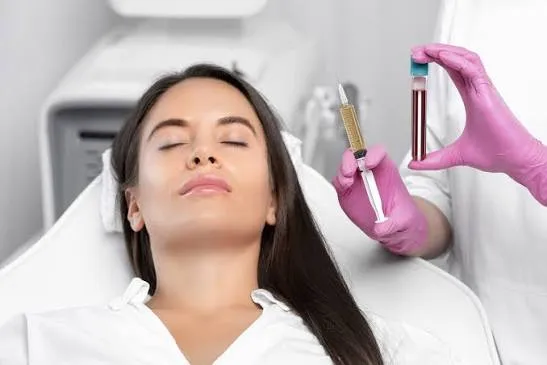
Healthy-looking skin and strong, fuller-looking hair can have a major impact on how people feel about their appearance. Yet ageing, environmental exposure, stress, genetics, and other factors can gradually affect skin quality and hair density. For people looking for a treatment that uses their own biological material, PRP has become an option worth discussing with a qualified medical professional.
PRP treatment in Dubai involves collecting a small sample of the patient's blood, processing it to concentrate platelets, and using the resulting platelet-rich plasma in a selected treatment area. Platelets contain substances involved in the body's normal tissue-repair processes. Depending on the patient's concerns, PRP may be considered for certain skin-rejuvenation applications or forms of hair thinning.
For anyone researching PRP Treatment In Dubai For Natural Looking Skin And Hair Enhancement, understanding how the procedure works, what it can realistically achieve, and how to choose a suitable provider is essential.
Understanding PRP Treatment And Its Aesthetic Applications
PRP stands for platelet-rich plasma. It is produced from a person's own blood rather than being a manufactured filler or implant.
During treatment, a clinician takes a small blood sample and places it into a processing system designed to separate and concentrate platelets. The prepared plasma can then be administered to the selected treatment area according to the practitioner's technique.
The principle behind PRP is relatively straightforward: platelets contain growth factors and other biological components associated with tissue repair. In aesthetic medicine, clinicians may use PRP with the aim of supporting the appearance and condition of the skin or scalp.
However, PRP is not a one-size-fits-all procedure. Results can differ depending on the patient's condition, treatment protocol, age, general health, and other factors.
Why Personal Assessment Is Important
Before undergoing PRP, a professional assessment can help determine whether the treatment is appropriate.
A consultation may consider:
- The patient's primary cosmetic concern
- Skin condition and treatment area
- Pattern and severity of hair thinning
- Existing medical conditions
- Current medications
- Previous aesthetic procedures
- Expected results and treatment goals
This assessment helps establish realistic expectations instead of relying on generic promises about results.
How PRP Can Support A Skin Rejuvenation Plan
Skin naturally changes over time. Collagen production, hydration, elasticity, and overall texture can be influenced by ageing and environmental factors. Sun exposure, lifestyle habits, and other individual factors can also affect how skin looks.
PRP may be considered as part of a broader approach to improving the appearance of the skin. Rather than creating a dramatic change in facial structure, the objective is generally to support a refreshed and healthier-looking appearance.
Potential aesthetic goals may include:
- Smoother-looking skin
- Improved appearance of fine lines
- More refined-looking skin texture
- A fresher overall complexion
- Support for skin quality
- Subtle rejuvenation
The outcome depends on the individual, and PRP should not be marketed as a guaranteed solution for every skin concern.
Natural-Looking Enhancement Without Changing Facial Features
Some people prefer aesthetic procedures that maintain their existing facial characteristics. PRP may appeal to this preference because it uses the patient's own blood components rather than adding permanent structural volume.
That said, using a patient's own biological material does not automatically mean that the procedure is suitable or risk-free. Proper medical assessment, sterile technique, and appropriate patient selection remain important.
PRP And Hair Restoration: What Patients Should Know
Hair thinning is another area where PRP may be considered. Hair loss can occur for many different reasons, including hereditary patterns, hormonal changes, nutritional issues, certain illnesses, medications, and other factors.
Because the cause of hair loss matters, a diagnosis or clinical evaluation should come before choosing a treatment.
For suitable patients, PRP may be administered to selected areas of the scalp. The goal is generally to support the scalp environment and hair follicles rather than instantly produce new hair.
Research into PRP for hair loss has produced encouraging findings in some studies, but treatment outcomes are not uniform. Different preparation methods and treatment protocols can also influence results.
Who May Benefit From Scalp PRP?
PRP may be discussed for people experiencing particular patterns of hair thinning where viable follicles remain.
A practitioner may evaluate:
- Hair density
- Pattern of thinning
- Scalp condition
- Duration of hair loss
- Possible underlying causes
- Previous treatments
- Overall treatment expectations
If the follicles have been permanently lost in an area, PRP may not provide the same potential benefit as it could in areas where follicles are still present.
What Happens During A PRP Session?
Understanding the treatment process can help patients prepare for their consultation.
The procedure generally begins with a discussion of the treatment objective and an examination of the relevant area. Once PRP is considered appropriate, a small amount of blood is collected.
The sample is processed to separate the platelet-rich portion from other blood components. The resulting PRP is then prepared for administration.
For skin applications, the practitioner may use injections or another clinically appropriate technique. For hair-related treatment, PRP is typically administered at selected scalp areas.
The procedure itself may cause temporary discomfort. Depending on the treatment area and clinical approach, a practitioner may use measures intended to improve patient comfort.
After treatment, temporary redness, swelling, tenderness, or small areas of bruising may occur.
What Results Can You Realistically Expect?
One of the most important aspects of PRP treatment is maintaining realistic expectations.
PRP does not produce identical results in every patient. Some people may notice gradual changes, while others may experience limited improvement.
The final outcome can depend on:
- The reason for treatment
- Baseline skin or hair condition
- Individual biological response
- Treatment technique
- Number of sessions
- Overall health
- Aftercare
For hair-related treatments, visible changes may take time because hair grows gradually. Similarly, skin improvements may develop progressively rather than appearing immediately after a session.
A reputable practitioner should explain both potential benefits and limitations before treatment begins.
Selecting A Clinic For PRP Treatment In Dubai
The clinic you choose can be just as important as the procedure itself. PRP is a medical treatment, so patients should look beyond promotional offers and focus on professional standards.
Before booking, check whether the provider offers:
- A proper consultation
- Assessment by an appropriately qualified professional
- Clear information about the procedure
- Appropriate infection-control practices
- Discussion of potential side effects
- Individualised treatment planning
- Realistic information about outcomes
- Post-treatment guidance and follow-up
It is also reasonable to ask about the equipment used to process the blood sample and the practitioner's experience with the specific type of PRP treatment you are considering.
Questions Worth Asking Before Treatment
A consultation should give you enough information to make an informed choice.
Useful questions include:
- Am I a suitable candidate for PRP?
- What is the likely cause of my skin or hair concern?
- How many sessions might be recommended?
- What results are realistic in my situation?
- Are there alternative treatments?
- What temporary side effects might occur?
- What restrictions or aftercare should I follow?
- When should I expect to assess the results?
These questions can help you understand whether PRP fits your goals rather than choosing treatment solely because it is popular.
Recovery And Aftercare Following PRP
Recovery is generally focused on allowing the treated area to settle while following the practitioner's instructions.
Patients may experience temporary sensitivity, redness, swelling, or bruising. The duration and intensity can vary depending on the treatment area and individual response.
Your clinician may provide specific instructions concerning skincare products, washing the scalp or face, exercise, sun exposure, and other activities.
Do not assume that general online advice applies to your particular procedure. Follow the aftercare instructions supplied by your healthcare professional.
If symptoms appear unusually severe, persist longer than expected, or become worse, contact your medical provider for advice.
Is PRP A Good Choice For You?
PRP can be an option for people interested in an autologous approach to selected skin and hair concerns. Its use in aesthetic medicine continues to attract attention because the treatment uses components obtained from the patient's own blood.
However, PRP should not be viewed as a universal solution. It cannot address every type of hair loss or every skin condition, and results are not guaranteed.
The most appropriate treatment depends on the individual's concerns, diagnosis, expectations, and overall circumstances. In some cases, another dermatological or aesthetic treatment may be more appropriate.
Conclusion
PRP treatment in Dubai can offer a personalised approach for people exploring skin rejuvenation and selected hair-restoration treatments. By using platelet-rich plasma derived from the patient's own blood, the procedure aims to support biological processes associated with tissue repair and may help improve the appearance of treated areas in suitable patients.
For people considering PRP Treatment In Dubai For Natural Looking Skin And Hair Enhancement, the safest approach is to begin with a professional consultation. Discuss your goals, medical history, expected outcomes, potential side effects, and alternative options before making a decision.