Professional Microneedling Should Not Simply Be Added to an At-Home Dermarolling Routine
By Hawaii Facial Plastic Surgery
16 Views
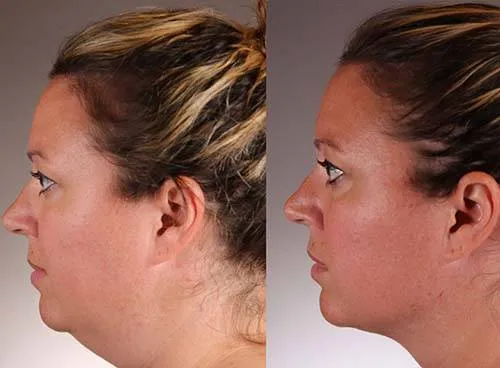
Home dermarollers and microneedling devices are widely promoted online, often with short videos that make the process look simple. Some patients try these tools for months before deciding they want a professional treatment instead. People considering microneedling with PRP in Honolulu after using a home device should tell the provider exactly what they have been doing so the skin can be assessed before another procedure is performed.
Professional microneedling uses a medical device to create controlled microchannels in the skin according to a treatment protocol. PRP, prepared from a sample of the patient's own blood, may be incorporated when the provider believes it fits the treatment plan. This is different from repeatedly using an at-home tool without professional assessment.
Patients sometimes assume that because the skin did not visibly react to a home roller, it is automatically ready for an in-office procedure. That may not be true. Repeated irritation, recent use, active breakouts, or an overly aggressive skin care routine can affect how the skin feels even when there is no obvious redness.
The provider should know how often the home device was used, when it was last used, what products were applied around the same time, and whether the patient ever experienced prolonged redness, bleeding, swelling, breakouts, or discoloration. These details help create a more complete picture of recent skin stress.
Home devices can also become part of a larger pattern of over-treatment. A patient may combine rolling with retinoids, acids, scrubs, peels, or strong serums because they believe more stimulation will create faster improvement. Instead, the skin may become dry, sensitive, or reactive. Professional treatment should not simply be added on top of that routine.
A pause may be appropriate before microneedling if the skin appears irritated or the patient has used a home device recently. The exact timing should come from the treating professional. Patients should avoid guessing how long the skin needs to recover based on social media advice or another person's routine.
The cosmetic goal should also be reconsidered. Some people began using a dermaroller because of enlarged-looking pores, shallow acne texture, fine lines, or general roughness. A professional consultation can determine whether microneedling is actually appropriate for that concern or whether another treatment may fit better.
PRP does not turn professional microneedling into a treatment for every skin issue. Pigmentation, active acne, deep scars, significant laxity, and volume changes may require different approaches. The provider should explain what the procedure is intended to address and what it is unlikely to change.
Recovery planning remains important. Temporary redness, warmth, dryness, or mild swelling may occur after treatment. Patients should follow clinic instructions for cleansing, moisturization, sun protection, exercise, and restarting active skin care products.
Honolulu's sun exposure adds another reason to stop experimenting around the treatment period. Recently treated skin may require careful protection from ultraviolet exposure. Patients who spend long periods outdoors should discuss their schedule before choosing a treatment date.
It is also important to think about device hygiene. Patients do not need to bring or continue using a home roller after professional treatment unless specifically advised. The safest approach is to follow the clinic's instructions rather than mixing professional care with an unsupervised routine.
Professional microneedling should be judged by its intended treatment goal, not by how intense the session feels compared with a home device. More discomfort or more redness does not automatically mean a better result. Skin response and appropriate technique matter more than intensity.
Hawaii Facial Plastic Surgery can evaluate patients who have used home microneedling tools and discuss whether SkinPen microneedling with PRP is appropriate at this time. The consultation can help reset the routine so professional treatment is not layered onto skin that has already been repeatedly irritated.
Patients should be honest even if they feel embarrassed about trying a home device. The information is clinically useful, and withholding it can make treatment planning harder. A clear history allows the provider to decide whether to proceed, wait, or recommend a different approach.
Conclusion
At-home dermarolling history should be discussed before professional microneedling. Knowing what the skin has recently experienced can help determine whether it is ready for another procedure.
Call to Action
Contact Hawaii Facial Plastic Surgery to discuss your previous home microneedling routine and whether professional SkinPen microneedling with PRP may be appropriate.