Premature Ovarian Failure Treatment In Dubai: Advanced Care for Women’s Hormonal Health
By evclinicdubai
17 Views
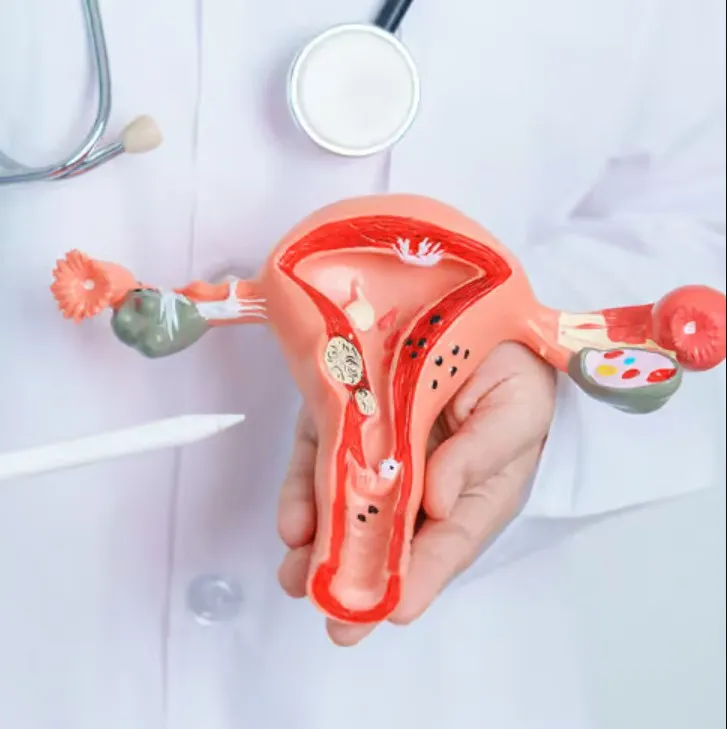
Understanding Premature Ovarian Failure
Premature ovarian failure, more accurately referred to as primary ovarian insufficiency (POI), is a condition in which the ovaries lose normal function before the age of 40. It can affect menstrual regularity, estrogen production, and fertility, making timely medical assessment particularly important for younger women.
Unlike natural menopause, ovarian activity in POI can sometimes be intermittent. Some women may experience occasional ovulation or menstrual cycles even after receiving a diagnosis. Current clinical guidance therefore uses the term primary ovarian insufficiency to reflect the possibility of fluctuating ovarian function.
Women looking for Premature Ovarian Failure Treatment In Dubai can benefit from a structured approach that considers hormonal health, menstrual symptoms, reproductive goals, bone health, and overall wellbeing.
What Causes Premature Ovarian Failure?
Genetic and Chromosomal Factors
Some cases of primary ovarian insufficiency are associated with genetic or chromosomal variations. Conditions involving the X chromosome, for example, may influence ovarian development and function.
Autoimmune Conditions
In some women, immune-system activity may affect ovarian function. Autoimmune conditions involving other organs can sometimes occur alongside ovarian insufficiency, which is why an appropriate medical evaluation may be recommended.
Medical Treatments
Certain medical treatments, particularly chemotherapy and pelvic radiation, can affect ovarian follicles and lead to reduced ovarian function. Surgical removal or damage to ovarian tissue can also contribute to ovarian insufficiency.
Unexplained Causes
A considerable proportion of cases have no clearly identifiable cause. A thorough assessment can nevertheless help clinicians identify potentially relevant medical, genetic, hormonal, or reproductive factors.
Recognising the Signs of Ovarian Insufficiency
Changes in Menstrual Cycles
One of the most noticeable signs may be irregular, infrequent, or absent periods. A woman who previously had predictable menstrual cycles may begin experiencing significant changes without an obvious explanation.
Hormonal Symptoms
Reduced estrogen production can be associated with symptoms such as:
- Hot flashes
- Night sweats
- Vaginal dryness
- Sleep disturbances
- Changes in sexual comfort
- Mood changes
- Reduced menstrual frequency
- Difficulty conceiving
Symptoms can vary significantly between individuals, and some women may have relatively few noticeable symptoms despite reduced ovarian function.
Changes in Fertility
Because ovarian function may become unpredictable, conception can become more difficult. However, POI does not necessarily mean that spontaneous ovulation is impossible. Clinical guidance notes that a small proportion of women with POI may experience spontaneous pregnancy.
How Is Premature Ovarian Failure Diagnosed?
Medical and Menstrual History
Diagnosis generally begins with a detailed discussion about menstrual patterns, symptoms, previous pregnancies, fertility goals, medications, medical conditions, surgeries, and relevant family history.
Hormonal Evaluation
Hormonal testing can help evaluate ovarian function. Depending on the clinical situation, a healthcare professional may assess reproductive hormones such as follicle-stimulating hormone and estradiol. Current international guidance has updated diagnostic recommendations for POI and recognises that additional testing may be useful when the diagnosis remains uncertain.
Additional Investigations
Depending on the individual situation, clinicians may consider additional investigations to explore possible underlying causes. These can include genetic or autoimmune evaluation when clinically appropriate.
The objective is not simply to identify a hormonal imbalance but to understand the patient's overall reproductive and hormonal health.
Premature Ovarian Failure Treatment In Dubai
Individualised Hormone Therapy
Hormone therapy is an important component of management for many women with primary ovarian insufficiency. Because ovarian estrogen production may decrease prematurely, hormone therapy can provide estrogen replacement and help manage symptoms associated with estrogen deficiency.
Clinical guidance recommends hormone therapy for women with POI when there are no contraindications, with treatment generally continuing until around the usual age of natural menopause.
Treatment should be individually prescribed rather than selected solely according to age or symptoms.
Estrogen Replacement
Estrogen replacement may be administered through different routes, including oral or transdermal preparations. The appropriate formulation and dose depend on the patient's circumstances and should be determined by a qualified healthcare professional.
For women with an intact uterus, appropriate progestogen therapy is generally considered alongside estrogen to protect the endometrium from prolonged unopposed estrogen exposure.
Managing Menstrual and Hormonal Symptoms
A personalised treatment plan can help address symptoms associated with low estrogen levels. Treatment may be adjusted according to changes in menstrual patterns, vasomotor symptoms, vaginal or sexual symptoms, sleep concerns, and overall quality of life.
The objective is to restore appropriate hormonal support while regularly reviewing the patient's response.
Supporting Long-Term Hormonal Health
Bone Health
Estrogen plays an important role in maintaining bone density. When ovarian function declines at a young age, maintaining adequate hormonal support becomes an important part of long-term care.
Current guidance recommends hormone therapy for women with POI to support bone health, while bone mineral density assessment can also form part of appropriate clinical monitoring.
Calcium and vitamin D intake, regular weight-bearing activity, adequate nutrition, and an active lifestyle may also contribute to maintaining healthy bones.
Cardiovascular Health
Estrogen deficiency occurring prematurely can have implications for long-term cardiovascular health. Comprehensive management therefore goes beyond treating hot flashes or irregular periods.
Regular medical monitoring, healthy nutrition, physical activity, appropriate weight management, and attention to blood pressure and metabolic health can all form part of an overall women's health strategy.
Sexual and Vaginal Health
Lower estrogen levels may contribute to vaginal dryness and sexual discomfort. Depending on the symptoms, clinicians can discuss appropriate local or systemic treatment options and supportive measures.
Addressing these concerns can improve comfort, intimate wellbeing, and quality of life.
Fertility Considerations in Premature Ovarian Failure
Understanding Individual Fertility Potential
A diagnosis of POI can be emotionally challenging for women who are planning a family. Importantly, ovarian activity can occasionally continue intermittently, meaning that the condition should not automatically be interpreted as complete and permanent infertility.
Because spontaneous ovulation can occur unpredictably, fertility planning should be discussed according to the individual's reproductive goals.
Fertility Specialist Support
Women who wish to become pregnant may benefit from consultation with a reproductive endocrinology or fertility specialist. Depending on ovarian function, age, reproductive history, and individual circumstances, available fertility options can be discussed.
Early specialist input can help women understand their options and make informed reproductive decisions.
Hormone Therapy and Pregnancy Planning
Hormone replacement therapy is not a contraceptive. Women with intermittent ovarian activity who do not wish to become pregnant may therefore need appropriate contraception, while women trying to conceive require a treatment plan that takes their fertility objectives into consideration.
Lifestyle Support During Ovarian Insufficiency Treatment
Balanced Nutrition
A nutritious diet provides important support during hormonal treatment. Adequate protein, vegetables, fruits, whole grains, healthy fats, calcium-containing foods, and appropriate vitamin D intake can contribute to general wellbeing.
Regular Physical Activity
Exercise can support cardiovascular fitness, muscle strength, bone health, sleep, and emotional wellbeing. Weight-bearing and resistance activities can be particularly useful components of an overall fitness routine.
Sleep and Stress Management
Hormonal changes can sometimes affect sleep and emotional wellbeing. Establishing consistent sleep habits, maintaining physical activity, and using healthy stress-management strategies may complement medical treatment.
Lifestyle measures should support, rather than replace, an appropriately supervised medical treatment plan.
Advanced Women's Hormonal Care at EV Clinic Dubai
A Personalised Approach
EV Clinic Dubai focuses on personalised women's health care, making an individualised approach particularly relevant for women seeking Premature Ovarian Failure Treatment In Dubai.
Management of ovarian insufficiency should not be based on a single symptom or laboratory result. A comprehensive approach considers hormonal status, menstrual history, reproductive plans, age, symptoms, and broader health requirements.
Ongoing Monitoring
Hormonal health can change over time. Regular follow-up allows treatment to be reviewed and adjusted according to the patient's evolving needs.
Follow-up may include assessment of symptoms, menstrual patterns, treatment response, reproductive goals, and other aspects of long-term women's health.
Patient-Centred Care
A diagnosis involving fertility and hormonal changes can affect many aspects of a woman's life. Clear communication and personalised counselling can help women understand their diagnosis, treatment options, and reproductive choices.
At EV Clinic Dubai, a tailored approach can help women receive care that reflects their individual hormonal and reproductive needs.
Why Early Assessment Matters
Do Not Ignore Irregular Periods
Irregular or absent periods in a woman under 40 should not automatically be attributed to stress, lifestyle changes, or early menopause. A medical evaluation can help determine whether ovarian insufficiency or another hormonal condition is involved.
Early Treatment Supports Long-Term Health
Identifying POI earlier can provide an opportunity to address estrogen deficiency, reproductive planning, bone health, and other aspects of long-term wellbeing. Evidence-based guidelines recommend appropriate hormone therapy for women with POI and emphasise ongoing clinical management.
Frequently Asked Questions
What is premature ovarian failure?
Premature ovarian failure, commonly referred to clinically as primary ovarian insufficiency, describes reduced or disrupted ovarian function occurring before the age of 40. It can cause irregular or absent periods, reduced estrogen production, and difficulties with fertility.
Can premature ovarian failure be treated?
Management focuses on replacing deficient hormones when appropriate, controlling symptoms, supporting long-term health, and addressing fertility goals. Treatment is personalised according to the individual's medical history and needs.
Is hormone therapy commonly used for POI?
Yes. Hormone therapy is a central part of management for many women with primary ovarian insufficiency. Clinical guidelines recommend hormone therapy to replace ovarian hormones and support long-term health when appropriate.
Can a woman with ovarian insufficiency become pregnant naturally?
Some women with POI may continue to experience intermittent ovarian activity, and spontaneous pregnancy can occur in a small proportion of patients. Fertility expectations should therefore be discussed individually with an appropriate healthcare professional.
Does hormone replacement therapy prevent pregnancy?
No. Hormone replacement therapy should not be considered contraception. Women who do not wish to become pregnant should discuss appropriate contraceptive options with their healthcare provider.
How long may hormone therapy be needed?
For women with primary ovarian insufficiency, clinical guidance generally recommends continuing hormone therapy until approximately the average age of natural menopause, followed by an individualised assessment of whether treatment should continue.
When should I seek medical advice?
Women younger than 40 who experience persistent irregular periods, missed periods, hot flashes, night sweats, vaginal dryness, or unexpected fertility difficulties should consider discussing these changes with a qualified healthcare professional.
Conclusion
Premature ovarian insufficiency can affect menstrual health, estrogen levels, fertility, bone health, and overall wellbeing at an age when many women do not expect significant hormonal changes. Modern management therefore focuses on more than symptom control.
With appropriate assessment, hormone replacement when indicated, fertility counselling, lifestyle support, and ongoing monitoring, women can receive comprehensive care designed around their individual needs.
For women seeking Premature Ovarian Failure Treatment In Dubai, EV Clinic Dubai provides a setting where women's hormonal health can be approached with personalised assessment and ongoing care. Early consultation can help clarify the cause of menstrual or hormonal changes and support informed decisions about treatment and reproductive health.