Pranayama 101: 5 Ancient Breathing Techniques & Their Modern Health Benefits
By Casanova19
24 Views
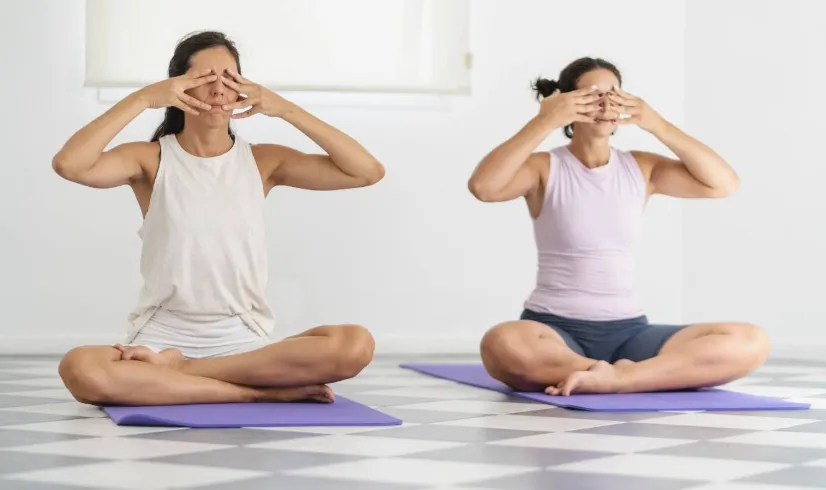
Pranayama is the breathing side of yoga, and it is considerably older than the postures most people associate with the word. The practices developed across South Asia over many centuries, and they were refined long before anyone had equipment to measure what they were doing.
Some of those practices now have research behind them. Others have a great deal of enthusiasm and very little data. Separating the two is useful, because the honest version is still a good case for trying them. Here are five foundational techniques and a fair account of what each one appears to do.
What the Word Covers
Pranayama is usually translated as extension of the breath, or regulation of it, depending on how the second half of the word is read.
Different traditions use different methods, and tantric breathing techniques are another area readers may explore when learning about breath-based practices. The gentle end is where beginners belong and where most of the modern evidence sits. The vigorous end has real contraindications and deserves a teacher rather than an article.
Everything below is described as it is traditionally taught, with the modern findings kept separate from the traditional claims so you can see which is which.
Five Foundational Techniques
Nadi Shodhana, or Alternate Nostril Breathing
Close your right nostril with your thumb and breathe in through the left. Close the left with your ring finger, release the right, and breathe out through the right. Breathe in through the right, switch again, and breathe out through the left. That is one round, and five minutes is plenty.
Traditionally this is described as balancing the two sides of the body's energy channels. The modern research is thin and the claims made online run well ahead of it, so the fair statement is that a good many practitioners find it settling and the mechanism is not established.
Bhramari, or Humming Bee Breath
Breathe in through the nose, then hum on the exhale with your lips closed, letting the sound carry the whole way out. Six to ten rounds.
This one has a specific finding behind it. A study published in the American Journal of Respiratory and Critical Care Medicine in 2002 found that humming increased nasal nitric oxide roughly fifteen-fold compared with quiet exhalation, which the authors attributed to oscillating airflow improving ventilation of the sinuses.
That is a real result and a small one, with ten healthy participants. Nitric oxide has a role in airway and vascular function, and the step from a fifteen-fold local increase during humming to a broad health benefit has not been made in the research. Treat the humming as pleasant and interesting rather than as a treatment for anything.
The practical value is simpler. Humming lengthens the exhale without any counting, which is most of what makes slow breathing settling.
Ujjayi, or Ocean Breath
Breathe in and out through the nose with a slight constriction at the back of the throat, producing a soft sound somewhere between a whisper and a wave.
The constriction slows the airflow, which lengthens both phases without you having to time them. It is the breath most commonly taught alongside yoga postures, partly because the sound gives you something to track while your attention is on your body.
As a standalone practice it works as a gentle way into slow breathing for people who find counting tedious.
Kapalabhati, or Skull Shining Breath
Short sharp exhales through the nose driven by the abdomen, with the inhale happening passively between them. Twenty to thirty rounds, then rest.
This is an activating technique rather than a calming one, and it belongs in a different category from everything else here. People use it in the morning or before sitting practice to clear mental fog.
It also carries the clearest cautions on this list. Rapid breathing of this kind is not suitable during pregnancy, with cardiac conditions, with uncontrolled high blood pressure, with a history of seizures, or with certain eye and abdominal conditions. Lightheadedness is common, and that is a signal to stop rather than to continue.
Sama Vritti, or Even Breathing
Equal phases throughout. Four or five seconds in, the same out, with no hold, for five to ten minutes.
This is the plainest technique in the tradition and the one with the strongest modern support. Breathing at roughly five or six a minute lines your breathing up with the baroreflex, the loop that regulates blood pressure, and heart rate variability rises as a result. It is the pattern most slow-breathing research is built around.
If you only take one practice from this list, take this one.
What the Modern Evidence Supports
The most consistent finding across slow paced breathing research is a rise in heart rate variability during and after practice, with resting figures drifting upward over weeks in people who keep it up.
Beyond that, trials have reported reductions in anxiety symptoms and improvements in self-reported sleep, though effect sizes vary and many studies are small. Blood pressure findings are mixed, with some reviews reporting modest reductions and at least one large review finding none.
What the research does not support is the more ambitious claims that circulate around these techniques, particularly anything framing them as treatment for specific conditions. The honest position is that slow breathing produces measurable physiological changes, that those changes are generally in a helpful direction, and that the size of the benefit is modest.
Building a Practice
Start with even breathing and stay there for a few weeks before adding anything. Ten minutes daily, attached to something you already do, will get you further than an ambitious schedule you abandon.
Counting tends to slip after the first minute, which is why paced tools exist at all. Plenty are running in a browser at no cost, of which BreathSync is one example where a single slow cycle runs continuously for anyone who opens it. Traditional practice used a teacher's voice or a chant for the same purpose.
Add the other techniques once the base is steady. Humming and ocean breath fold in easily. Leave the vigorous practices until you have someone to teach them.
Practice Notes
Sit upright with your spine tall and your shoulders down, and keep the breaths smooth rather than large. Pulling in as much air as possible produces lightheadedness rather than benefit.
Practice sitting or lying still, never while driving or in water. If you feel dizzy, return to normal breathing and rest.
Speak to a clinician before starting if you have a cardiac or respiratory condition, if you are pregnant, or if slow breathing has previously brought up distress connected to past trauma.
Old Practices, Plainly Described
What strikes most people who get past the mystique is how ordinary these techniques are. Sit down, slow the breath, keep your attention on it, come back when it wanders.
People worked that out a very long time ago without any equipment, and they usually worked it out while doing it alongside other people. The measurements came later and mostly confirmed what the practitioners already suspected, which is a reasonable outcome for something that costs nothing and asks for ten minutes.