Practical Ways to Keep Rats Away From Your Property
9 Views
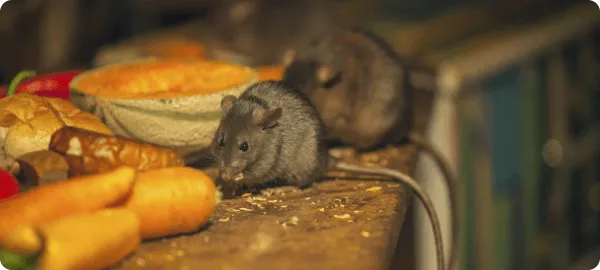
Keeping rats away from a property is easier when potential food, water, shelter and entry points are managed consistently. Rats Pest Control Perth helps property owners understand practical prevention strategies that can reduce the conditions that attract rodents. For households and businesses considering rat pest control Wanneroo understanding these basic principles can be useful when creating a cleaner and less attractive environment for unwanted pests.
Why Prevention Matters
Rats are adaptable animals that can quickly take advantage of favourable conditions. A property does not need to be poorly maintained for rodents to appear. Accessible rubbish, pet food, garden waste, structural gaps and sheltered areas can all create opportunities.
Once rodents discover a reliable source of food and shelter, they may continue returning to the same location. Preventative maintenance therefore plays an important role in reducing the chance of an infestation becoming established.
Prevention is particularly useful because rodent activity can occur in areas that are not immediately visible. Roof cavities, wall spaces, garages and sheds can provide quiet locations where rats remain hidden.
Keep Food Properly Stored
Food should be stored in sealed containers wherever possible. Open packets, damaged packaging and uncovered ingredients can provide easy access.
Kitchen benches, cupboards and pantry areas should be cleaned regularly, particularly after preparing meals. Spills and crumbs should not be left for extended periods.
Pet food also deserves attention. If animals are fed outdoors, remove uneaten food rather than leaving it available overnight.
Bird feeding stations can also contribute to rodent activity when seed falls onto the ground. Keeping the surrounding area clean can help reduce this potential attraction.
Manage Household Waste Carefully
Rubbish can provide rodents with both food and nesting materials. Bins should have secure lids and should be kept in good condition.
Food waste should be disposed of appropriately, and spills around bin storage areas should be cleaned promptly.
Businesses should pay particular attention to waste collection areas. Food premises, warehouses and other commercial properties may generate larger quantities of waste, making effective rubbish management especially important.
Maintain the Garden
Outdoor areas can provide rodents with shelter when vegetation becomes dense or unmanaged. Long grass, thick shrubs, garden waste and piles of timber can create concealed pathways and hiding places.
Keep vegetation trimmed where possible and avoid allowing plants to grow directly against external walls. This also makes it easier to inspect the building for signs of activity.
Firewood and stored materials should ideally be raised from the ground and kept away from the building. Garden sheds should also be kept organised so that signs of rodent activity are easier to identify.
Remove Accessible Water Sources
Food is often considered the main attraction, but water can also encourage rodents to remain nearby.
Check for:
· Leaking outdoor taps
· Dripping pipes
· Blocked gutters
· Containers collecting rainwater
· Poor drainage
· Irrigation leaks
· Moist areas around air-conditioning systems
Repairing leaks and improving drainage can reduce unnecessary moisture around the property while supporting general building maintenance.
Inspect the Outside of the Building
A regular exterior inspection can help identify potential access points before rodents use them.
Look around doors, windows, vents, pipes, roofing materials and utility connections. Damaged screens and gaps around service lines should receive particular attention.
Garage doors are another area worth checking. A small gap underneath or around the sides can provide access to an otherwise secure building.
Sheds, workshops and other detached structures should also be inspected because they may provide an easy starting point for rodent activity.
Reduce Indoor Hiding Places
A cluttered storage area can provide rodents with several places to hide. Cardboard boxes, unused furniture, paper and fabric materials may also be used for nesting.
Organise storage areas and avoid placing large amounts of material directly against walls. Keeping items raised from the floor can make inspections easier.
Garages should receive similar attention. Tools, equipment and stored belongings should be arranged so that the floor and wall edges remain accessible.
What Businesses Can Do
Commercial properties should establish consistent cleaning and inspection routines. Staff can be encouraged to report droppings, damaged packaging, unusual smells or scratching noises as soon as they are noticed.
Food storage areas should be cleaned regularly, while deliveries and packaging should be handled carefully. Waste should be removed according to an appropriate schedule.
Businesses looking into rat pest control Joondalup can also benefit from reviewing the building's surrounding environment, rather than focusing only on areas where rodents have already been seen.
When Professional Assessment Is Worth Considering
Preventative measures are valuable, but persistent evidence may indicate an existing infestation. Repeated sightings, fresh droppings, chewing damage or noises from ceilings and walls should not be ignored.
A professional inspection can help identify activity areas, possible nesting locations and routes rodents may be using to move through the property.
Addressing the underlying conditions can be more effective than repeatedly responding to individual sightings.
Building Long-Term Rodent Prevention Habits
Rodent prevention works best when it becomes part of normal property maintenance. Secure rubbish, store food correctly, maintain gardens and inspect the exterior regularly.
After storms, renovations or building repairs, check for new openings that may have appeared. Seasonal changes can also alter rodent behaviour and increase exploration around buildings.
Property owners searching for pest control Perth should consider prevention as an ongoing process rather than a single task. Consistent maintenance, careful waste management and early attention to warning signs can help create a property that offers fewer opportunities for rodents to feed, hide and establish nests.