PMAYG and Rural Housing: How Digital Information Is Changing Access to Government Schemes
By waytosuccess
11 Views
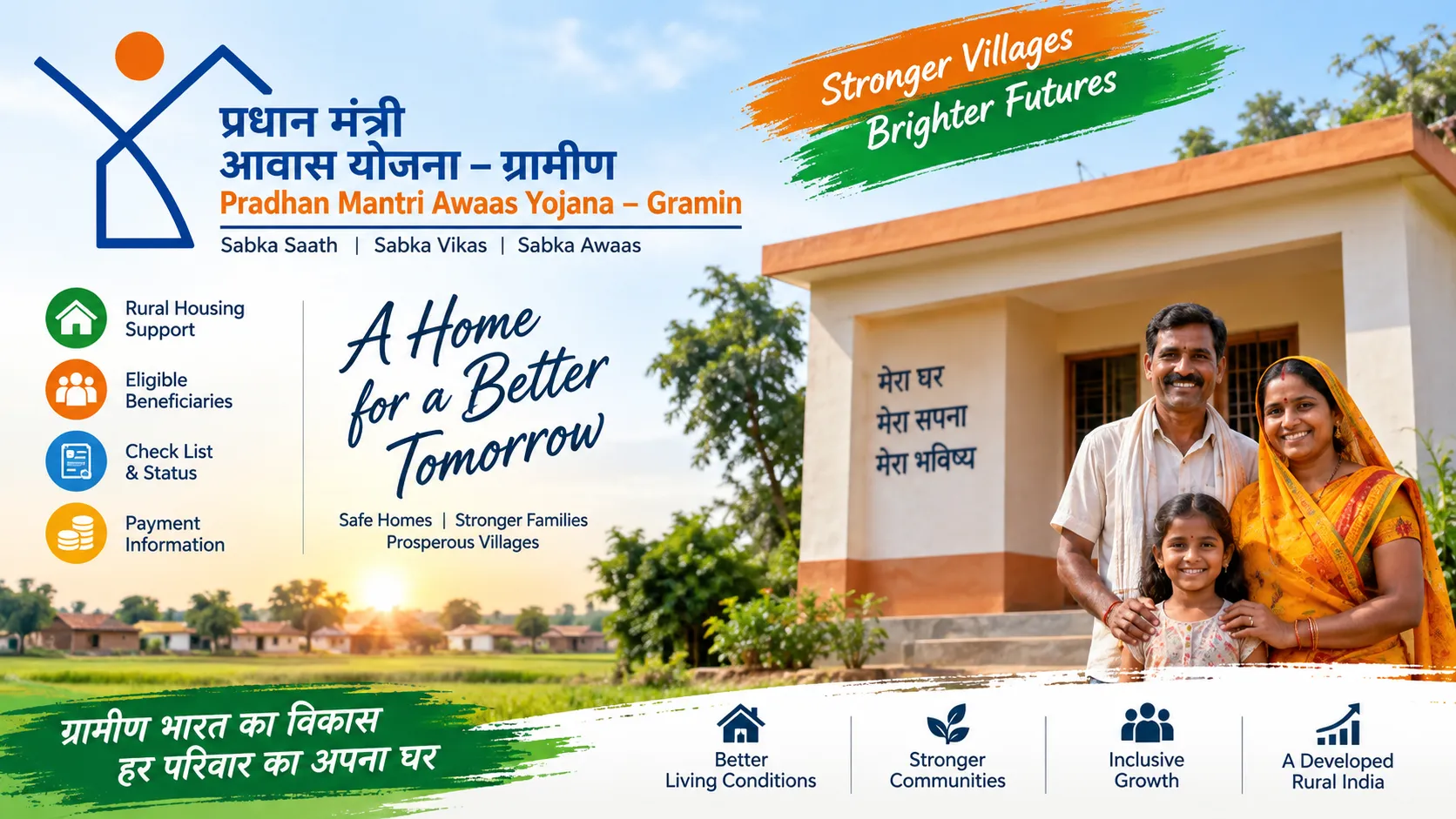
Access to housing is more than having a roof over one's head. A permanent and secure home can influence a family's health, safety, education, financial stability and overall quality of life. In rural India, government housing programmes have therefore become an important part of broader social and economic development.
One of the major initiatives in this area is Pradhan Mantri Awaas Yojana – Gramin (PMAYG). Alongside financial assistance and rural infrastructure, the availability of digital information has made it easier for citizens to understand beneficiary-related processes and track information.
Understanding the Purpose of PMAYG
PMAY-G is focused on supporting eligible rural households that need assistance for constructing permanent houses. The programme is designed around the needs of rural communities and operates through an administrative system involving different levels of government.
For an individual household, however, government programmes can sometimes appear complicated. Terms such as beneficiary selection, sanction, installment, construction status and verification may not always be easy to understand.
This is where clear public information becomes valuable.
Why Digital Information Matters
The growth of internet access has changed how people search for information about government schemes. Instead of depending entirely on local offices or printed notices, citizens can increasingly use online resources to understand procedures and locate relevant records.
Digital information can be particularly useful when someone wants to know:
- How PMAY-G works
- What beneficiary information means
- How housing status can be checked
- What different stages of assistance represent
- Where to find relevant official information
- What details may be required for an online search
However, convenience should not replace verification. Users should distinguish between educational websites and official government portals, especially when dealing with personal information or applications.
Understanding Beneficiary Information
The PMAY-G beneficiary system contains information related to households covered under the programme. Depending on the information being searched, users may need to identify their state, district, block and Gram Panchayat.
Many people search for housing information simply by entering a person's name. In practice, location-based details can be equally important because rural administrative records are organized through specific geographical and administrative units.
This is one reason why a step-by-step explanation can be helpful for first-time users.
Checking Housing-Related Information Online
People searching for PMAY-G information should first understand what they actually need to check. A beneficiary list, application status, payment information and construction progress are not necessarily the same thing.
A useful approach is to identify the required information first and then use the appropriate official system or reliable informational guide.
For readers who want a simple explanation of different PMAY-G-related searches, the PMAY-G information resource provides guides covering beneficiary lists, status, payments and other commonly searched topics.
The Importance of Accurate Information
Government scheme information can change over time because procedures, financial assistance, eligibility requirements and administrative processes may be updated.
For this reason, online content should be treated as a guide rather than as a substitute for official confirmation. Readers should check the latest government information whenever they are making an application, submitting documents or interpreting an important decision.
Websites that clearly explain concepts in simple language can still play an important role by helping users understand what they are looking for before they visit an official portal.
Digital Literacy and Rural Development
The PMAY-G example also highlights a broader issue: digital literacy is increasingly connected with access to public services.
Having an internet connection does not automatically mean that a person can successfully navigate an online government system. Users may need help understanding terminology, identifying the correct portal, selecting administrative details and interpreting the information displayed on a webpage.
Educational articles, tutorials and community-based learning resources can help bridge this gap.
What Users Should Remember
When searching for PMAY-G information online, a few basic practices can make the process safer and easier:
- Check information from reliable sources.
- Use the correct state, district and local administrative details.
- Avoid websites promising guaranteed housing benefits.
- Do not share sensitive personal information unnecessarily.
- Verify important information through official government channels.
- Check whether an article reflects the latest available information.
These simple precautions can reduce confusion and help users make better use of digital resources.
Conclusion
PMAY-G demonstrates how housing policy, rural development and digital information are increasingly connected. Financial assistance is an important part of a housing programme, but citizens also need accessible information to understand how the system works.
As digital services continue to expand, clear and responsible educational content can help people navigate government schemes more confidently. The combination of official records and easy-to-understand learning resources can make public information more accessible to rural communities.
Related Reading
Expert Insights: Navigating the Complex World of Education & Learning
Welcome to our in-depth exploration of Education & Learning. In an era defin...
Why Education & Learning is Transforming the Global Industry Landscape
Welcome to our in-depth exploration of Education & Learning. In an era defin...