Is Photodynamic Therapy for Actinic Keratosis Worth It?
12 Views
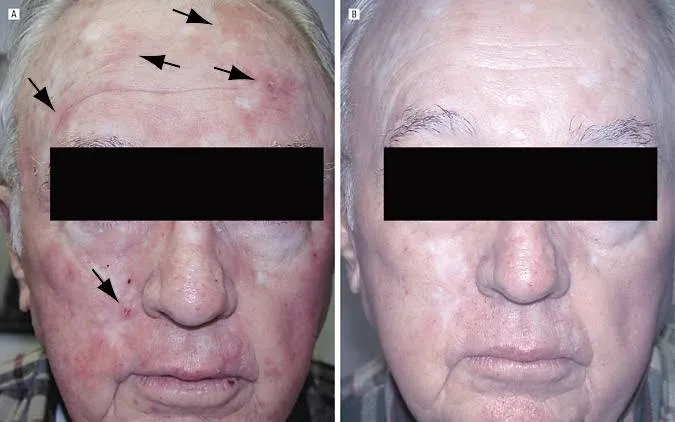
Photodynamic Therapy Actinic Keratosis treatment is an option worth considering if you have rough, scaly patches caused by years of sun exposure. This treatment targets damaged skin cells while helping preserve much of the surrounding healthy tissue.
Actinic keratosis is a common precancerous skin condition that usually develops on sun-exposed areas, including the face, scalp, ears, neck, forearms, and hands. Although some patches remain stable, others can develop into squamous cell skin cancer. Early assessment and appropriate treatment can reduce this risk.
Photodynamic therapy (PDT) offers a non-surgical approach that combines a light-sensitive medication with a specific light source. But is it effective, comfortable, affordable, and suitable for your skin? The answer depends on the number of lesions, their location, your medical history, and your dermatologist's recommendations.
This guide explains how PDT works, what results to expect, its potential drawbacks, and how it compares with other treatments so you can make an informed decision.
What Is Actinic Keratosis?
Actinic keratosis develops when ultraviolet (UV) radiation damages skin cells over time. These abnormal cells may form small, rough patches that feel like sandpaper, even when they are difficult to see.
Common signs include:
-
Dry, scaly, or crusty patches.
-
Pink, red, brown, or skin-coloured spots.
-
Burning, itching, tenderness, or sensitivity.
-
Thickened areas on frequently sun-exposed skin.
-
Persistent roughness that returns after moisturising.
Lesions often appear on the face, bald scalp, ears, hands, and forearms. People with fair skin, a history of sunburn, outdoor occupations, or substantial lifetime UV exposure may face a higher risk.
Not every rough patch is actinic keratosis. Other skin conditions can look similar, so a healthcare professional should examine suspicious or persistent lesions.
What Is Photodynamic Therapy?
Photodynamic therapy uses a photosensitising medication and a controlled light source to destroy abnormal cells. The medicine accumulates preferentially in treated areas and becomes active when exposed to the appropriate light.
The activated medication produces reactive oxygen compounds that damage targeted cells. This process can help clear actinic keratosis while limiting injury to surrounding tissue.
Unlike treatments that freeze or remove individual lesions, PDT can cover a broader area of sun-damaged skin. Dermatologists sometimes call this approach field treatment because it addresses visible lesions and selected areas of surrounding damage.
However, PDT is not suitable for every patient or every lesion. A dermatologist must assess the skin, confirm the diagnosis, and select the appropriate treatment protocol.
How Does the Treatment Work?
PDT generally involves preparation, medication application, light exposure, and recovery. Your dermatologist will explain the protocol because products, incubation times, and light sources vary.
1. Preparing the skin
The clinician examines the treatment area and may gently remove surface scales or crusts. This helps the medication reach the affected skin more effectively.
Tell your clinician about your medicines, allergies, previous skin cancers, and any condition that increases sensitivity to light. Do not stop prescribed medication without medical advice.
2. Applying the photosensitising medicine
A cream containing a photosensitising agent, such as aminolevulinic acid (ALA) or its derivative, is applied to the affected area. The medication needs time to penetrate the skin and accumulate in abnormal cells.
The waiting period depends on the preparation used. Some protocols require a relatively short incubation, while others involve several hours.
3. Activating the medication with light
A blue or red medical light activates the medication. The resulting chemical reaction damages targeted cells, allowing the treated tissue to shed as the skin heals.
You may experience warmth, stinging, or burning during illumination. The clinician can suggest comfort measures and may adjust the procedure when appropriate.
4. Protecting the skin afterwards
Your skin may become red, swollen, crusted, or tender. Follow the clinic's instructions about cleansing, moisturising, dressings, and sunlight avoidance.
Conventional PDT may require strict protection from daylight for the period specified by your clinician. Do not assume ordinary sunscreen alone makes immediate outdoor exposure safe.
Who Benefits Most From PDT?
Photodynamic therapy can be particularly useful for people who have multiple actinic keratoses across a larger area of sun-damaged skin. It may suit patients who prefer a clinic-based treatment rather than applying prescription creams at home for several weeks.
Your dermatologist may consider PDT if:
-
Several thin or moderately thick lesions affect one area.
-
Actinic keratoses repeatedly develop in the same sun-exposed region.
-
Treating a broad area is more practical than freezing every spot individually.
-
Cosmetic appearance matters, particularly on the face.
-
Previous treatment has not adequately controlled the affected area.
PDT is not automatically the best choice for everyone. Thick, raised, tender, ulcerated, or rapidly changing lesions may need additional assessment, biopsy, or another treatment. A clinician should not rely on PDT alone when skin cancer is suspected.
People with certain light-sensitive conditions or medicines may need a different approach. Your medical history and the precise treatment product determine which precautions apply.
Is Photodynamic Therapy Effective?
Clinical evidence supports PDT as an effective option for selected actinic keratoses, although results vary with lesion thickness, treatment technique, anatomical location, and follow-up duration.
Photodynamic Therapy Actinic Keratosis treatment can clear multiple visible lesions during one treatment session, but complete clearance is not guaranteed. Some people need a second session or another treatment for persistent patches.
PDT may also improve the appearance and texture of a treated sun-damaged area. However, improved skin appearance does not prove that every abnormal cell has disappeared.
The American Academy of Dermatology conditionally recommends several PDT approaches, alongside established options such as cryosurgery and prescription topical treatments. These recommendations reflect evidence quality and the need to individualise care rather than a single universally superior treatment.
What results should you expect?
Results develop gradually as the treated skin heals. Redness and crusting may initially make the area look worse before its appearance improves.
Your dermatologist may arrange a review to check clearance and decide whether further treatment is needed. Continue attending skin checks even if the treated patches disappear.
PDT treats existing damage but cannot prevent every new lesion from forming. Previous ultraviolet exposure remains relevant, so long-term surveillance and sun protection are essential.
What Are the Advantages of PDT?
Several features make this treatment attractive for suitable patients.
1. Treatment across a wider area
PDT can treat a field containing multiple lesions rather than addressing each visible spot separately. This is helpful when sun damage extends beyond individual patches.
2. Potential cosmetic benefits
When the treated skin heals, its texture and appearance may improve. PDT is often considered for cosmetically sensitive areas, although redness and pigment changes can occur.
3. A clinic-based procedure
Many patients complete the light treatment during an outpatient appointment. Unlike some prescription creams, PDT does not generally require weeks of daily application at home.
4. Limited damage to surrounding tissue
The photosensitising medicine and appropriate light exposure target abnormal cells, helping preserve much of the surrounding skin.
5. Flexible treatment approaches
Depending on the product and circumstances, conventional lamp-based PDT or daylight PDT may be available. Daylight PDT is generally less painful than conventional red-light PDT when used for appropriate lesions, although availability and suitability vary.
What Are the Disadvantages and Risks?
PDT has limitations, and you should weigh these against its potential benefits before choosing treatment.
Pain and discomfort
Burning, stinging, and warmth during light exposure are common concerns. The intensity varies considerably between patients and treatment protocols.
Daylight treatment may cause less discomfort, but it is not appropriate for every lesion, climate, or patient.
Temporary skin reactions
After treatment, you may notice:
-
Redness and swelling.
-
Tenderness or itching.
-
Blisters, crusting, or peeling.
-
Temporary changes in skin colour.
Healing often takes two to six weeks, depending on the treatment area and reaction. Some pigment changes can persist, and complications occasionally require medical attention.
Time and cost
Conventional PDT involves preparation, a waiting period, and light exposure. Depending on the protocol, you may need another appointment.
Costs vary according to the clinic, treatment area, number of sessions, and local insurance or healthcare arrangements. Ask for the total expected cost before committing.
Recurrence and incomplete clearance
PDT cannot guarantee permanent clearance. New lesions may appear because the surrounding skin has already sustained cumulative sun damage.
Follow-up remains necessary, even when the treated area looks healthy.
How Does PDT Compare With Other Treatments?
Your dermatologist may recommend a different option depending on the number, thickness, and location of your lesions.
|
Treatment |
Main advantage |
Main limitation |
|
Photodynamic therapy |
Treats a broader affected area |
Can cause pain and requires preparation |
|
Cryotherapy |
Quick treatment for individual lesions |
May cause blisters and pigment changes |
|
5-fluorouracil cream |
Treats visible and some less obvious lesions across a field |
Causes a substantial inflammatory reaction |
|
Imiquimod cream |
Treats multiple lesions at home |
Requires a prescribed treatment schedule |
|
Curettage |
Removes selected thick lesions |
May require local anaesthesia and leave a scar |
No single treatment suits every patient. Some people benefit from combining approaches, such as removing a thick lesion before treating the surrounding sun-damaged skin.
Discuss the expected clearance, recovery time, cost, cosmetic effects, and follow-up requirements with your dermatologist.
Can Natural Approaches Help With Actinic Keratosis?
A Natural Treatment for Actinic Keratosis may sound appealing if you prefer a gentler skincare routine. However, natural products have not been shown to reliably eliminate established actinic keratoses or replace recommended medical treatment.
Supportive care can help keep your skin comfortable. Use a gentle cleanser, apply a fragrance-free moisturiser, and avoid picking scabs or applying irritating ingredients to healing skin.
Do not use acidic household remedies, essential oils, or untested preparations on suspicious patches. These products may irritate your skin, delay diagnosis, or interfere with healing.
Most importantly, seek a professional assessment before treating a new or changing lesion. Supportive skincare should complement appropriate medical care, not substitute for it.
What Role Can Skincare Play During Recovery?
After PDT, your skin needs time to repair its protective barrier. Your clinician may recommend a simple routine that minimises irritation while the treated area heals.
Consider these practical measures:
-
Wash gently with lukewarm water when permitted.
-
Apply a bland moisturiser recommended by your healthcare professional.
-
Avoid exfoliating acids, retinoids, and harsh scrubs until your clinician approves their use.
-
Do not peel away crusts or pick at blisters.
-
Follow specific instructions about dressings and sun exposure.
Natural Remedies for Actinic Keratosis are sometimes promoted online as ways to remove abnormal skin cells. Evidence does not establish that herbal pastes, vinegar, or other home remedies can safely clear these lesions.
If a patch becomes increasingly painful, develops pus, bleeds persistently, or fails to heal as expected, contact your healthcare professional. A changing lesion may need further examination rather than additional skincare.
Can Herbal Products Replace PDT?
Herbal Care Products may be marketed for general skin wellness, but a supplement or botanical cream should not be considered a proven treatment for actinic keratosis unless reliable clinical evidence supports that specific use.
Some botanical ingredients can also cause allergic reactions, irritation, or increased sensitivity to sunlight. This matters particularly when skin has recently undergone a light-based procedure.
Before using supplements or topical herbal products, ask your dermatologist whether their ingredients are appropriate for your skin and current treatment plan.
Do not delay recommended treatment while experimenting with unproven products. Actinic keratosis is associated with an increased risk of squamous cell carcinoma, and early assessment of suspicious changes is important.
How Can You Reduce Future Sun Damage?
Sun protection is essential whether you choose PDT, cryotherapy, prescription creams, or another medically appropriate treatment.
Make these habits part of your everyday routine:
-
Apply broad-spectrum sunscreen with SPF 30 or higher to exposed skin.
-
Reapply sunscreen as directed, particularly after swimming or sweating.
-
Wear a broad-brimmed hat and protective clothing outdoors.
-
Seek shade when ultraviolet radiation is strongest.
-
Avoid tanning beds and intentional tanning.
-
Examine your skin regularly for new or changing patches.
People who have developed actinic keratoses may continue to develop additional lesions. Your dermatologist can recommend an appropriate skin examination schedule based on your history and risk factors.
When Should You See a Dermatologist?
Arrange an appointment if you notice a new rough patch that persists, especially on sun-exposed skin. Prompt assessment is particularly important if a lesion grows quickly, becomes thick or tender, develops an ulcer, or bleeds repeatedly.
These features do not automatically mean cancer, but they warrant professional evaluation. A dermatologist may examine the lesion closely or perform a biopsy if the diagnosis is uncertain.
Do not assume that every scaly patch is harmless or that a response to home treatment confirms its identity.
Frequently Asked Questions
Is photodynamic therapy painful?
Conventional PDT can cause burning or stinging during illumination. Discomfort varies, and daylight PDT may be less painful for suitable lesions.
How many sessions are needed?
Some patients need one session, while others require two or more treatments. The number depends on the treatment protocol, lesion response, and dermatologist's assessment.
Will the lesions return?
Treated lesions may persist or recur, and new ones can develop. Regular examinations and sun protection remain important after successful treatment.
Is PDT better than freezing?
Neither option is universally better. PDT may be more practical for multiple lesions across a wider area, while cryotherapy can be convenient for individual spots.
Can I go outdoors after treatment?
Follow the exact instructions provided by your clinic. Conventional PDT may require strict daylight avoidance for a specified period, while daylight PDT has its own precautions.
Final Verdict: Is PDT Worth It?
For many people with multiple actinic keratoses, photodynamic therapy is worth discussing with a dermatologist. It can treat a broad area of damaged skin, offers potential cosmetic benefits, and avoids surgical removal of every individual lesion.
However, pain, temporary inflammation, treatment costs, and the possibility of incomplete clearance are important considerations. Other treatments may be more appropriate for thick lesions, isolated spots, or patients who cannot tolerate light-based treatment.
The best decision depends on your skin, medical history, preferences, and access to care. Ask your dermatologist to explain the expected benefits, alternatives, recovery requirements, and follow-up plan before proceeding.