Phentermine vs. Diethylpropion: What Clinicians and Patients Should Know About Short Term Weight Loss Medications
33 Views
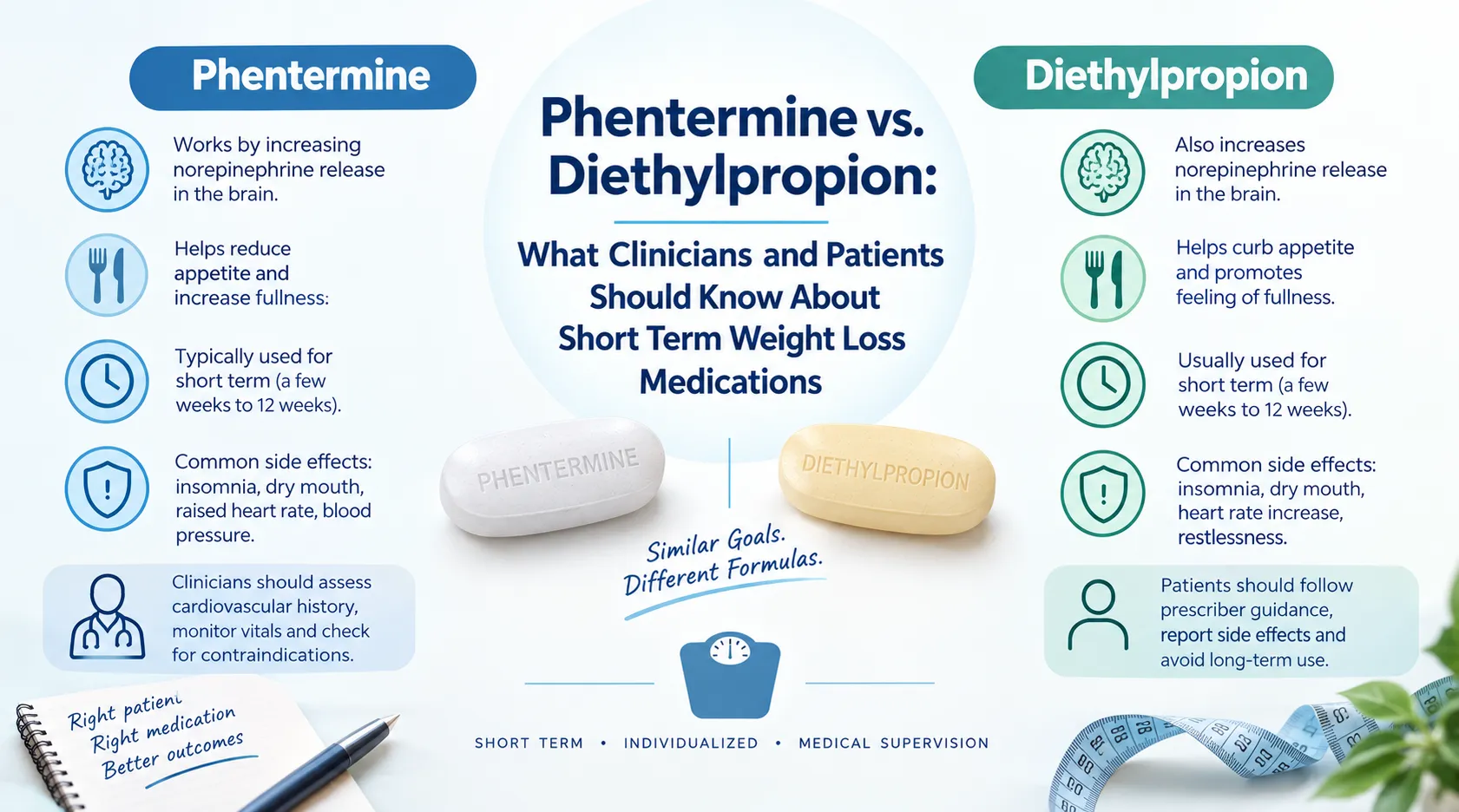
Why Short Term Weight Loss Medications Still Matter
Obesity care has changed dramatically in recent years. Newer treatments such as semaglutide and tirzepatide have transformed expectations, and many people now ask about Weight Loss Injections UK clinics can offer. Yet older appetite suppressants like phentermine and diethylpropion continue to play a role for some patients.
There are several reasons for this. Some people cannot tolerate injectable treatments, some prefer oral medication, and others want a short, structured course to kick start their progress before moving to a sustainable lifestyle plan. Cost and availability also influence choice. For clinicians, understanding how these two medicines compare helps ensure each patient receives an option that suits their health profile, goals and preferences.
What Is Phentermine?
Phentermine is a sympathomimetic amine, which means it works in a similar way to the body's natural stimulant chemicals. It was first approved in the United States in 1959 and remains one of the most widely prescribed weight loss medicines in the world.
How it works: Phentermine stimulates the release of noradrenaline and, to a lesser degree, dopamine and serotonin in the brain. This activates the body's "fight or flight" response, which naturally dampens appetite and can slightly increase energy expenditure.
Typical use: Phentermine is usually taken once daily in the morning. In the United States it is approved for short term use of up to twelve weeks. In the UK, phentermine does not currently hold a marketing authorisation, so where it is prescribed it is supplied on a private prescription as an unlicensed medicine under specialist responsibility. It is also classified as a controlled drug.
Expected results: Clinical studies generally show average weight loss of around 5 percent of body weight over a short course when combined with lifestyle changes, although individual results vary considerably.
What Is Diethylpropion?
Diethylpropion, also known as amfepramone, belongs to the same broad drug family as phentermine and was approved in the late 1950s. It is chemically related to bupropion and works through a similar stimulant mechanism.
How it works: Diethylpropion is converted in the body into active compounds that increase noradrenaline activity in the brain, reducing appetite and helping people feel satisfied with smaller portions.
Typical use: It is available as an immediate release tablet taken up to three times a day before meals, or as a controlled release tablet taken once daily. Like phentermine, it is a controlled drug in the UK and is not currently licensed here, so it is prescribed privately with specialist oversight.
Expected results: Weight loss outcomes are broadly comparable to phentermine. Some longer studies have reported meaningful reductions over several months, though most prescribing guidance still frames it as a short term aid.
Phentermine vs. Diethylpropion: Key Differences
While these medicines share a mechanism, there are practical differences that influence which one a clinician might recommend.
Potency: Phentermine is often described as the stronger of the two. Many patients report more pronounced appetite suppression, which can be helpful but may also bring more noticeable side effects.
Stimulant intensity: Diethylpropion is frequently considered milder. Some clinicians prefer it for patients who are more sensitive to stimulants or who experienced jitteriness on phentermine.
Dosing flexibility: Immediate release diethylpropion can be timed around meals, which some patients find useful for targeting particular times of day when cravings are strongest. Phentermine's once daily dosing is simpler for people who prefer a single morning tablet.
Misuse potential: Both carry a potential for dependence, which is why they are controlled. Some evidence suggests diethylpropion may carry a slightly lower misuse risk, although both require careful prescribing.
Side effect profile: Both can cause dry mouth, insomnia, raised heart rate, increased blood pressure, constipation, headache and irritability. Phentermine may be more likely to cause stimulant effects such as restlessness, while diethylpropion is sometimes better tolerated in this respect.
Who May Be Suitable?
Prescribers typically consider these medicines for adults who meet specific criteria, which usually include:
- A body mass index of 30 kg/m² or above, or 27 kg/m² or above with a weight related condition such as type 2 diabetes, high cholesterol or sleep apnoea
- A genuine commitment to dietary change, physical activity and follow up appointments
- No significant contraindications after a full medical assessment
A reputable Weight Loss Clinic will always take a detailed medical history, check blood pressure and heart rate, and review current medications before prescribing either option.
Who Should Avoid These Medications?
Both phentermine and diethylpropion are unsuitable for people with certain health conditions. These include:
- Heart disease, arrhythmias or a history of stroke
- Uncontrolled high blood pressure
- Overactive thyroid
- Glaucoma
- A history of drug or alcohol misuse
- Severe anxiety or agitation
- Pregnancy or breastfeeding
- Recent use of monoamine oxidase inhibitors, typically within the last 14 days
Rare but serious risks such as pulmonary hypertension and heart valve problems have been associated with this class of medicines, particularly when combined with other weight loss drugs. Any new breathlessness, chest pain, fainting or swelling of the ankles should be reported to a doctor immediately.
What Clinicians Should Keep in Mind
For healthcare professionals, safe prescribing depends on structure and monitoring. Good practice includes:
- Baseline assessment: Record weight, BMI, blood pressure, heart rate and relevant medical history before starting.
- Clear treatment goals: Agree realistic targets with the patient, such as a 5 percent reduction in body weight during the course.
- Regular reviews: Monitor progress, blood pressure and side effects at planned intervals.
- Stopping rules: Discontinue treatment if a patient does not achieve meaningful weight loss within the first few weeks, or if adverse effects appear.
- Exit planning: Prepare the patient for life after the medication, with ongoing nutrition, activity and behavioural support to help maintain results.
Because both medicines are unlicensed in the UK, prescribers also carry additional responsibility to document their clinical reasoning and ensure the patient gives informed consent.
What Patients Should Know
If you are considering either medication, a few practical points can help you get the most from treatment:
- Take it as prescribed. Never increase your dose or combine it with other weight loss products without medical advice.
- Take it early in the day. Both medicines can disturb sleep if taken too late.
- Stay hydrated. Dry mouth is common, and water helps.
- Limit caffeine. Coffee and energy drinks can amplify stimulant side effects.
- Focus on habits. The medication helps with appetite, but lasting results come from the routines you build during the course.
- Be honest at reviews. Tell your prescriber about any side effects, mood changes or palpitations.
Patients looking for a supervised option can explore Phentermine & Diethylpropion Tablets UK services, where treatment is provided with medical screening and follow up.
How These Medicines Compare With Newer Options
Newer treatments work differently. GLP 1 based medicines mimic gut hormones that regulate appetite and blood sugar, and they are designed for longer term use. They generally produce greater average weight loss, but they can be more expensive and may cause gastrointestinal side effects such as nausea.
Oral versions of these newer medicines are also emerging, giving people more choice. Those who want a daily tablet rather than an injection may wish to read about Daily Weight Loss Tablets as an alternative pathway.
The right choice depends on your medical history, budget, lifestyle and personal preference. A clinician can help you weigh these factors honestly rather than simply recommending the newest or most popular option.
Choosing a Trusted Provider
With rising demand for weight loss treatment, it is essential to choose a regulated provider. Look for a service that is registered with the appropriate regulatory body, employs qualified prescribers, carries out a thorough consultation and offers ongoing support throughout your treatment. Providers such as Weight Medics offer structured programmes that combine medical oversight with practical guidance, which is exactly the kind of approach these medicines require.
Avoid buying appetite suppressants from unregulated websites or social media sellers. Counterfeit and contaminated products are a real risk, and taking controlled stimulants without medical supervision can be dangerous.
Frequently Asked Questions
Is phentermine stronger than diethylpropion?
Phentermine is generally considered slightly more potent, producing stronger appetite suppression for many people. Diethylpropion is often seen as milder and may suit those sensitive to stimulants.
How long can I take phentermine or diethylpropion?
Both are usually prescribed for short courses, commonly up to twelve weeks. Your prescriber will decide the appropriate length based on your progress and health.
Are phentermine and diethylpropion available in the UK?
Neither currently holds a UK marketing authorisation, but they can be prescribed privately as unlicensed medicines by qualified prescribers following a full assessment.
How much weight can I expect to lose?
Many people lose around 5 percent of their body weight during a short course when combined with diet and exercise. Results vary depending on individual factors and commitment to lifestyle change.
What are the most common side effects?
Dry mouth, difficulty sleeping, increased heart rate, raised blood pressure, constipation, headache and irritability are the most commonly reported effects.
Can I switch from phentermine to diethylpropion?
Yes, switching is sometimes considered if side effects occur or results plateau, but only under the guidance of your prescriber.
Will I regain weight after stopping?
Weight regain is possible if old habits return. Using the treatment period to build sustainable eating and activity routines gives you the best chance of maintaining your results.
Are these medicines better than weight loss injections?
Not necessarily. Injections typically deliver greater average weight loss over longer periods, while appetite suppressants offer a short, oral option. The best choice depends on your health profile and goals.
Final Thoughts
Phentermine and diethylpropion remain useful tools in weight management when prescribed responsibly. Phentermine tends to offer stronger appetite control, while diethylpropion may provide a gentler experience. Both work best as part of a structured programme that includes medical monitoring, nutritional guidance and a clear plan for life after the course. Whether you are a clinician weighing treatment options or a patient exploring your choices, an informed, supervised approach is the safest route to lasting results.
This article is for general information only and does not replace personal medical advice. Always consult a qualified healthcare professional before starting any weight loss medication.