Phase Inspection: A Complete Guide for Home Buyers and Property Owners
By Cornerstone Inspection Services, PLLC
78 Views
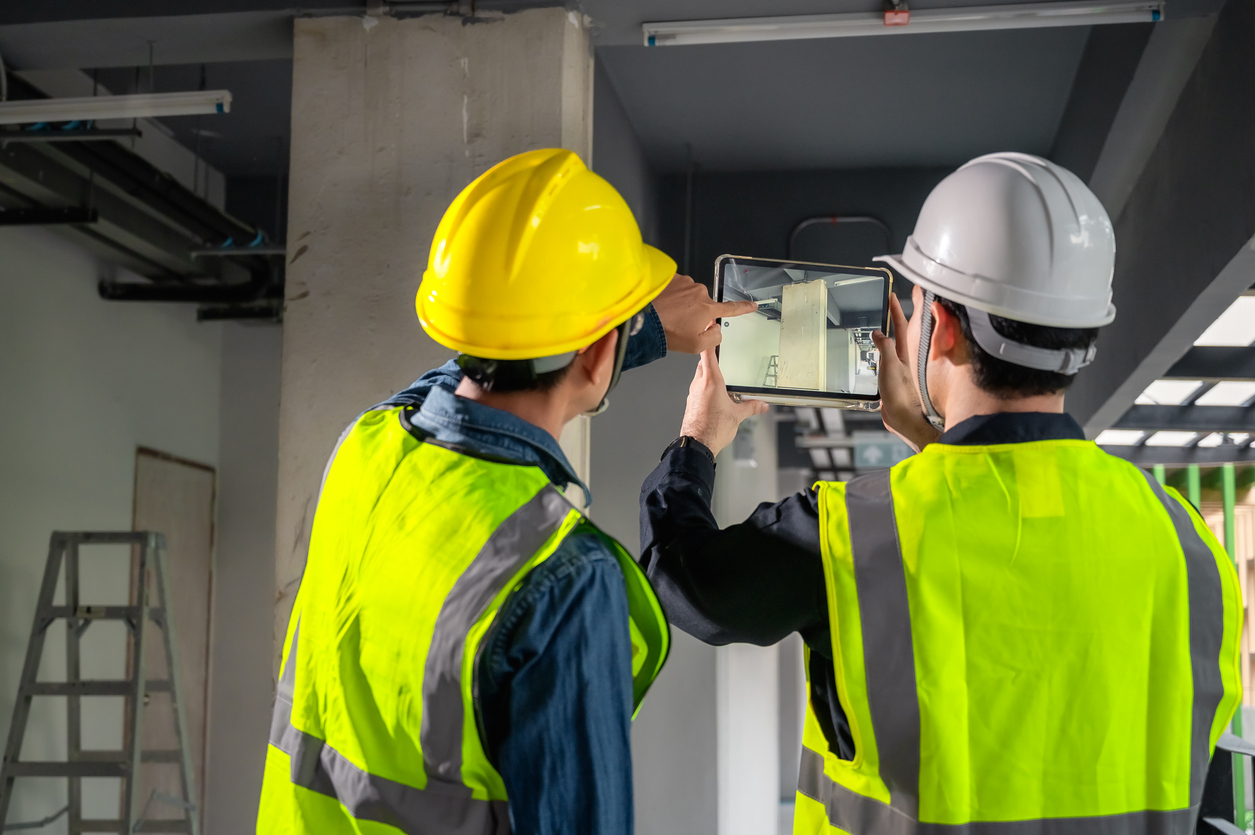
A phase inspection near you is a detailed inspection process that takes place during different stages of a home’s construction. It helps buyers, builders, and property owners identify problems before a house is completed. New construction homes can have issues that are difficult to notice after the final work is finished. A phase inspection gives buyers a chance to check the quality of construction and make sure the builder follows approved plans and standards.
Many people assume new homes do not need inspections because everything is brand new. However, construction involves many steps, and mistakes can happen at any stage. A professional phase inspection helps find concerns early when they are easier and less expensive to fix.
What Is a Phase Inspection?
A phase inspection is a type of new construction inspection performed during specific stages of the building process. The inspector reviews the work completed during each phase and checks for visible issues, safety concerns, and construction defects.
The inspection usually takes place before important parts of the home become hidden. For example, electrical wiring, plumbing lines, and structural components are easier to examine before walls and ceilings are closed.
A phase inspection is different from a final home inspection. A final inspection happens after construction is complete, while a phase inspection allows problems to be found throughout the building process.
Why Is a Phase Inspection Important?
A home is made through several construction steps. Each step affects the quality and safety of the finished property. If a problem is missed early, it can lead to larger repairs later.
A phase inspection gives buyers a better understanding of the home’s condition before closing. It also allows builders to correct issues while construction crews are still working on the property.
Some common reasons to schedule a phase inspection include:
• Finding construction mistakes before they become hidden behind walls, flooring, or finishes
• Confirming that major systems and materials are installed correctly according to construction plans
A professional inspector provides an unbiased review of the work. This helps buyers make informed decisions and protects their investment.
Main Stages of a Phase Inspection
A typical phase inspection includes several visits during the construction process. The exact schedule depends on the builder, location, and type of home being built.
Foundation Inspection
The foundation is one of the most important parts of any home. Problems with the foundation can affect the entire structure.
During this stage, an inspector checks the foundation work before the framing begins. The inspection may include reviewing visible concerns related to the foundation layout, drainage, and construction quality.
Finding foundation issues early allows repairs to happen before more work covers the area.
Framing Inspection
The framing stage creates the basic structure of the home. It includes walls, floors, ceilings, and roof supports.
A framing inspection helps identify issues with structural components before insulation and drywall are installed. The inspector checks areas such as wall alignment, support systems, and visible signs of improper construction.
This stage gives the inspector a clear view of many parts of the home that will later become difficult to access.
Mechanical Inspection
The mechanical phase includes the installation of important home systems. These systems include plumbing, electrical wiring, heating, and cooling equipment.
A mechanical inspection reviews whether these systems appear properly installed and accessible. The inspector looks for visible concerns that could affect performance or safety.
This stage is useful because repairs are usually easier before walls and ceilings are finished.
Final Inspection
The final phase inspection happens near the end of construction. The inspector reviews the completed home and checks visible areas, installed features, and overall workmanship.
The final inspection helps identify remaining issues before the buyer takes ownership. It can include checking doors, windows, appliances, fixtures, and other completed parts of the property.
What Does a Phase Inspector Check?
A phase inspector focuses on the quality and condition of the construction work. The inspection does not replace code inspections performed by local authorities, but it provides an additional review from an independent professional.
A phase inspection may include checking:
- Structural components and framing quality
- Roofing materials and installation
- Plumbing connections and visible leaks
- Electrical systems and safety concerns
- Heating and cooling equipment
- Insulation and ventilation
- Windows, doors, and exterior features
- Interior finishes and workmanship
The inspector documents findings in a detailed report. The report helps buyers understand any concerns and communicate with the builder about needed repairs.
Benefits of Hiring a Professional Phase Inspection Service
Many construction problems are easier to fix when they are discovered early. A phase inspection gives homeowners more control during the building process.
A professional inspector brings experience in identifying common construction issues. They know where problems often occur and understand how different building systems work together.
Some benefits include:
- Better knowledge of the home’s construction quality
- Early identification of defects and installation problems
- Reduced risk of expensive repairs after moving in
- More confidence before completing the purchase
A phase inspection also provides documentation of the home’s condition during construction. This information can be valuable if questions arise later.
When Should You Schedule a Phase Inspection?
The best time to schedule a phase inspection depends on the construction timeline. Most inspections happen at key points when important parts of the home are visible.
Many buyers choose to schedule inspections after the foundation, framing, mechanical installation, and final construction stages.
Working with the builder’s schedule helps ensure the inspector can review each stage before the next step begins. Buyers should arrange inspections early so there is enough time to address any concerns.
Difference Between Phase Inspection and Final Home Inspection
A phase inspection and final home inspection serve different purposes.
A phase inspection focuses on construction progress. It allows the inspector to review areas before they become covered or difficult to reach.
A final home inspection focuses on the completed property. It checks visible conditions before the buyer accepts the home.
Both inspections can provide value. A phase inspection helps prevent hidden problems, while a final inspection reviews the finished home.
Common Problems Found During Phase Inspections
New construction homes can have various issues even when they look complete. A phase inspection can uncover problems such as poor installation, missing components, or workmanship concerns.
Some common findings include:
- Improperly installed wiring or plumbing connections
- Structural issues during framing
- Poor drainage around the foundation
- Missing insulation in certain areas
- Problems with doors, windows, or finishes
Identifying these problems during construction allows repairs to happen before they affect the homeowner.
How to Choose a Phase Inspection Company?
Choosing the right inspection company is important because the quality of the inspection depends on the inspector’s knowledge and attention to detail.
Homeowners should look for an inspection company with experience in new construction inspections. A good inspector should provide clear reports and explain findings in simple terms.
Important factors to consider include:
- Experience with residential construction inspections
- Knowledge of local building practices
- Detailed inspection reports
- Professional communication
A reliable inspection company helps buyers understand the condition of their future home and supports better decisions.
FAQs About Phase Inspection
1. What is the purpose of a phase inspection?
A phase inspection helps identify construction problems during different stages of building. It allows issues to be corrected before they become hidden or more expensive to repair.
2. How many inspections are included in a phase inspection?
The number of inspections depends on the construction process and the homeowner’s needs. Many phase inspection plans include foundation, framing, mechanical, and final inspections.
3. Do new homes need phase inspections?
Yes. New homes can still have construction defects or installation problems. A phase inspection provides an independent review of the building process.
4. Can a phase inspection replace a final home inspection?
No. A phase inspection reviews construction progress, while a final home inspection checks the completed property before purchase or move in.
5. Who pays for a phase inspection?
The home buyer usually pays for the inspection because it is an independent service that protects their investment.
6. When should I schedule a phase inspection?
You should schedule inspections before major construction steps cover important areas. Early planning helps ensure the inspector can review each stage properly.
Conclusion
A phase inspection in Katy, TX gives home buyers a valuable opportunity to review construction quality before their home is finished. It helps identify problems early, improves communication with builders, and provides confidence during the buying process. New construction does not guarantee a problem free home, so professional inspections remain an important part of protecting your investment.
For reliable phase inspection services, Cornerstone Inspection Services, PLLC provides professional inspection solutions in Katy, TX and its surrounding areas. Their services help homeowners understand their property’s condition and make informed decisions throughout the construction process.
Related Reading
Expert Insights: Navigating the Complex World of Home Improvement
Welcome to our in-depth exploration of Home Improvement. In an era defined by ra...
Why Home Improvement is Transforming the Global Industry Landscape
Welcome to our in-depth exploration of Home Improvement. In an era defined by ra...