Pharmaceutical Raw Material Sourcing: A Practical Guide to Quality, Compliance, and Supply Continuity
By Aarisepharma
17 Views
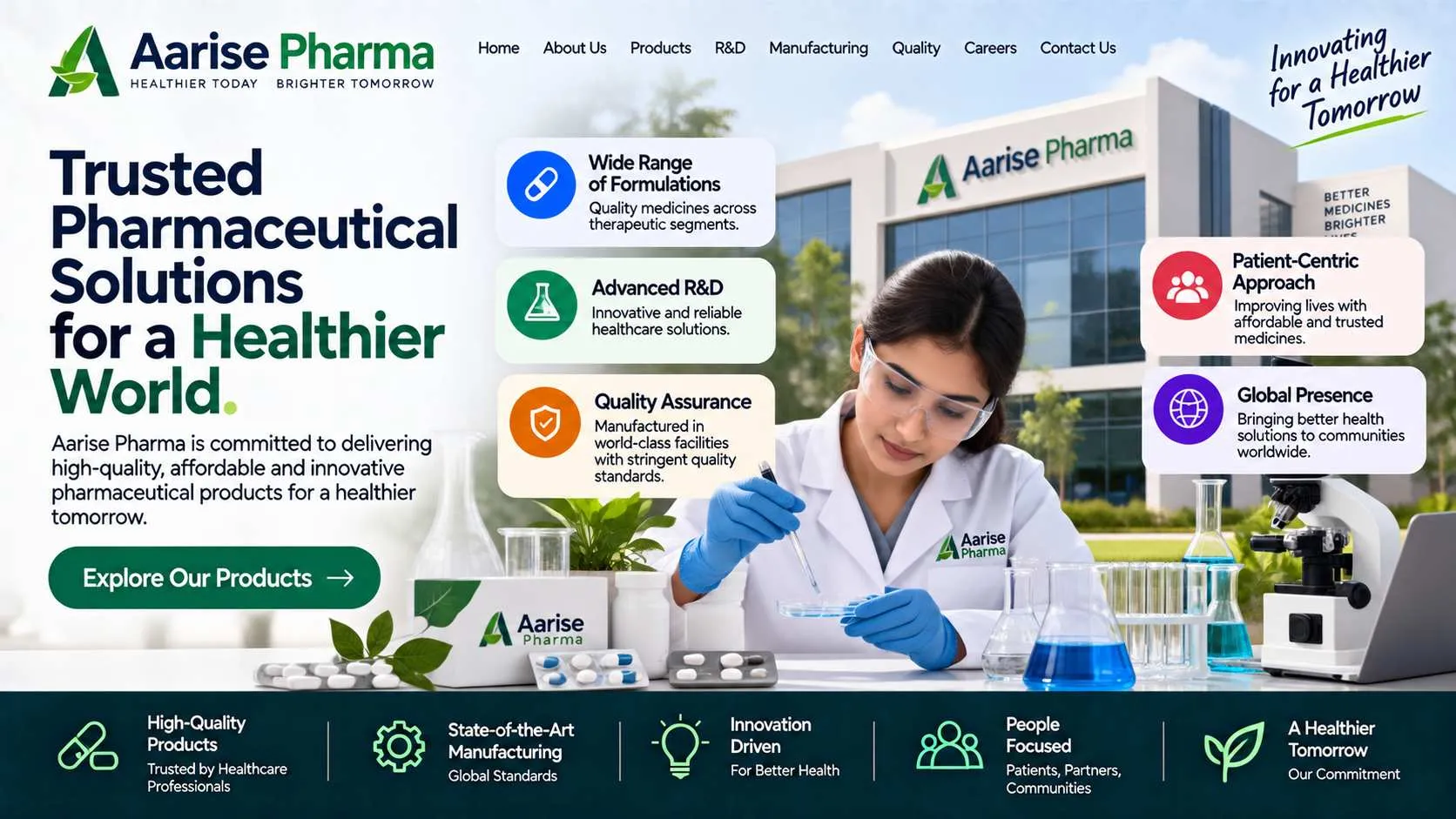
Reliable pharmaceutical manufacturing begins long before production starts. The quality of raw materials, the credibility of suppliers, and the availability of complete technical documentation all influence manufacturing consistency and supply-chain performance.
For pharmaceutical companies, selecting a raw-material supplier is therefore more than a purchasing decision. It involves assessing material specifications, reviewing quality documentation, understanding manufacturing capabilities, and establishing a sourcing process that supports long-term requirements.
A structured procurement strategy can help pharmaceutical manufacturers reduce avoidable sourcing risks and make better-informed supplier decisions. Companies exploring pharmaceutical raw material suppliers can begin by defining their technical requirements and identifying the evidence needed before approving a material for procurement.
Why Pharmaceutical Raw Material Sourcing Requires Careful Planning
Pharmaceutical raw materials must meet requirements appropriate to their intended use. A material that appears commercially suitable may still require additional verification of identity, purity, manufacturing origin, storage conditions, or documentation before it can be considered for a particular application.
Procurement teams should establish material specifications before requesting quotations. These specifications may include the required grade, applicable pharmacopeial standards, testing requirements, packaging conditions, and expected order quantities.
Clear requirements also help suppliers respond accurately. Instead of comparing quotations based only on price, buyers can evaluate whether each proposal meets the technical, quality, and commercial needs of the project.
For businesses planning international procurement, Aarise Pharma provides a starting point for pharmaceutical raw-material sourcing discussions and supplier requirement planning.
Define Material Requirements Before Contacting Suppliers
A detailed sourcing brief helps prevent misunderstandings during supplier evaluation. It should describe the material being requested, its intended application, required specifications, destination market, estimated demand, and supporting documentation.
Where applicable, buyers should specify the required grade, testing methods, packaging configuration, storage conditions, and acceptable shelf life at delivery.
It is also important to distinguish between an initial enquiry and a formal material approval. A supplier's ability to provide a quotation or sample does not automatically establish that the material meets all requirements for the intended use.
By preparing a complete requirement brief, procurement teams can reduce repeated clarification requests and make supplier comparisons more consistent.
Evaluate Suppliers Beyond Commercial Pricing
Price is an important purchasing consideration, but it should not be the sole basis for choosing a pharmaceutical raw-material supplier.
A supplier evaluation should consider several factors:
-
Material quality: Confirm that the proposed material can meet the agreed specifications.
-
Documentation: Review available specifications, certificates of analysis, and relevant supporting records.
-
Manufacturing transparency: Establish whether the supplier manufactures the material directly or operates as a distributor or sourcing intermediary.
-
Supply capability: Evaluate whether the supplier can support the anticipated order volume and delivery schedule.
-
Communication: Assess how clearly the supplier responds to technical and quality-related questions.
-
Continuity planning: Understand how disruptions, changes in availability, or manufacturing changes would be communicated.
These factors provide a more complete picture of the supplier's suitability than a quotation alone.
Understand the Importance of Quality Documentation
Documentation provides the information needed to evaluate a material and determine whether it meets established requirements. The exact documents depend on the material, intended use, applicable regulations, and the buyer's quality system.
Commonly requested records may include a material specification, a lot-specific certificate of analysis, relevant test methods, safety information, manufacturing-origin details, and applicable storage or stability information.
A certificate of analysis should be reviewed against the agreed specification. Buyers should also confirm the identity of the issuing organisation, the relevant batch or lot number, and whether the testing information supports the intended quality decision.
Where additional evidence is required, procurement and quality teams should agree on the necessary documents before placing routine orders.
Companies investigating pharmaceutical API sourcing should ensure that their documentation requirements are clearly communicated at the beginning of the sourcing process.
Build a More Reliable International Sourcing Process
International pharmaceutical procurement may involve manufacturers, distributors, exporters, importers, logistics providers, and quality teams. Each party can have a different responsibility, making clear communication particularly important.
Before confirming an order, buyers should establish the proposed source, country of origin where relevant, shipment arrangements, packaging requirements, and responsibilities for import documentation.
Lead times should also be discussed in advance. A quoted delivery date may depend on material availability, manufacturing schedules, testing, release procedures, and transportation arrangements.
For recurring requirements, companies should maintain an updated sourcing record that includes supplier contacts, approved specifications, order history, delivery performance, and outstanding documentation.
A well-organised process helps purchasing teams identify potential delays earlier and coordinate with internal stakeholders more effectively.
Reduce Supply Disruptions Through Advance Planning
Supply continuity should be considered before an urgent shortage occurs. Pharmaceutical manufacturers can assess their exposure to supply interruptions by reviewing demand patterns, supplier lead times, inventory policies, and the availability of alternative sources.
A second-source strategy may provide additional flexibility, but an alternative supplier should not be treated as automatically interchangeable. Differences in specifications, manufacturing processes, or material characteristics may require technical evaluation and formal approval.
Businesses should also establish how suppliers will communicate changes that could affect material quality or availability. The appropriate arrangements depend on contractual terms, quality agreements, and the buyer's internal procedures.
Regularly reviewing these factors helps organisations make sourcing decisions based on documented requirements rather than short-term purchasing pressure.
Improve Coordination Between Procurement and Quality Teams
Supplier selection is more effective when purchasing, quality assurance, regulatory, and technical teams contribute to the evaluation.
Procurement professionals can assess commercial terms, order quantities, and delivery schedules. Quality teams can review specifications, test records, and qualification requirements. Technical and regulatory specialists can evaluate whether the material and its documentation are appropriate for the intended market and application.
Bringing these perspectives together early can reduce delays that occur when a commercially attractive supplier is selected before technical requirements have been reviewed.
A consistent supplier assessment process also makes it easier to document decisions and maintain records for future purchasing cycles.
How Aarise Pharma Fits into the Sourcing Journey
Aarise Pharma focuses on active pharmaceutical ingredients and pharmaceutical raw-material sourcing for B2B requirements. For businesses exploring potential sourcing discussions, the process can begin with a clear description of the target material, intended market, expected quantity, and documentation needs.
Buyers should communicate their requirements in sufficient detail to establish whether a proposed sourcing opportunity is appropriate for further evaluation.
The next steps should involve clarifying material specifications, reviewing available documentation, discussing commercial terms, and determining which additional quality checks are necessary before approval.
Visit Aarise Pharma's official website to begin a sourcing enquiry and organise the information required for a productive discussion.
Conclusion
Effective pharmaceutical raw-material sourcing combines technical specifications, supplier evaluation, quality documentation, commercial planning, and supply-continuity measures. A structured process helps buyers compare suppliers more accurately and identify potential issues before they affect procurement decisions.
Rather than focusing exclusively on price or immediate availability, pharmaceutical businesses should prioritise documented suitability, transparent communication, and reliable sourcing arrangements.
With clear requirements and a systematic qualification process, organisations can build a stronger foundation for pharmaceutical procurement. Businesses seeking to explore sourcing options can connect with Aarise Pharma to discuss their pharmaceutical raw-material requirements.
Frequently Asked Questions
1. What should pharmaceutical companies consider when selecting a raw-material supplier?
Companies should evaluate material specifications, quality documentation, supplier responsibilities, manufacturing transparency, delivery capability, and the suitability of the material for its intended use.
2. Why is a certificate of analysis important?
A certificate of analysis provides lot-specific test results that can be compared with the relevant material specification. It should be reviewed alongside other applicable quality requirements.
3. Is the lowest-priced supplier always the best option?
No. Price should be considered alongside material quality, documentation, delivery reliability, technical suitability, and the overall cost of managing supply risks.
4. How can companies prepare for pharmaceutical raw-material shortages?
They can review lead times, monitor demand, establish appropriate inventory policies, evaluate alternative sources, and plan how supply disruptions will be communicated and managed.
5. What information should be included in a sourcing enquiry?
Include the material name, required grade or specification, intended market, estimated order quantity, packaging needs, delivery expectations, and required quality documentation.
6. Where can businesses enquire about pharmaceutical raw-material sourcing?
Businesses can visit Aarise Pharma's official website to begin a discussion about their sourcing requirements.