A Simpler Way to Manage Family Health
By Berry Col
30 Views
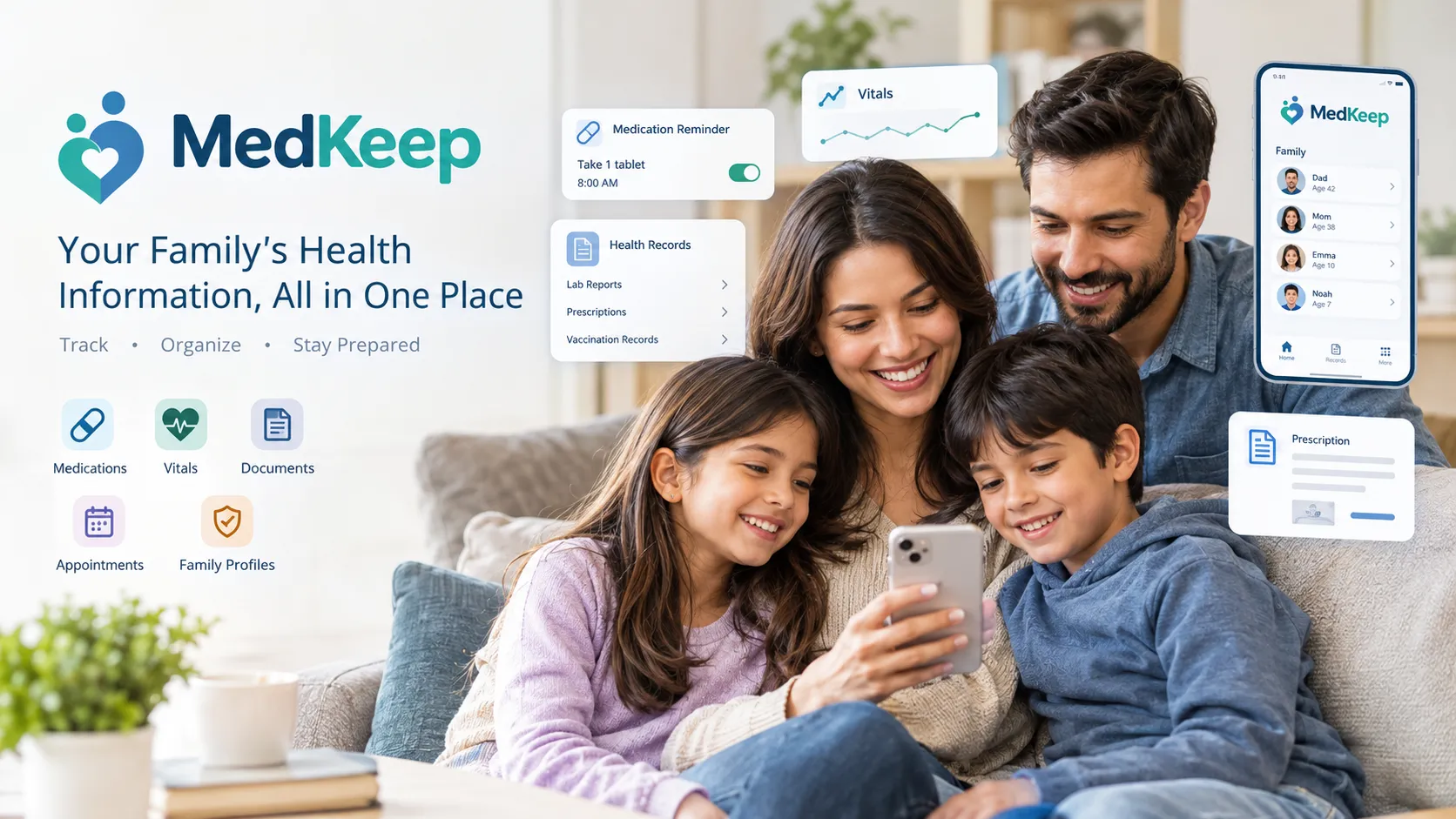
Keeping track of health information sounds easy until you actually need to find something. A prescription might be in a drawer, an old lab report could be buried in an email, and vaccination details may be written on a card somewhere at home.
This becomes even harder when you are looking after more than one person. Parents may have regular checkups, children have vaccination records, and someone in the family may need ongoing medication or routine tests.
A personal health record app can bring these details together in one convenient place. Instead of depending on paper files or trying to remember everything, families can keep important health information organized and easier to access.
What Is a Personal Health Record App?
A personal health record, or PHR, is a collection of health information managed by the individual rather than being kept only by a hospital or healthcare provider. It can include things such as medications, allergies, medical history, test results, vaccinations, and other useful health details.
A personal health record app simply puts this information into a digital format that can be accessed through a phone, tablet, or computer.
This is different from a doctor's electronic health record. A provider's system generally contains information created or maintained by that healthcare organization. A personal record can bring information from different parts of your healthcare experience into one place.
For example, imagine someone visits a family doctor, then sees a specialist and gets blood work from a separate laboratory. Their information may exist in several places. A personal health record gives them a way to keep track of the bigger picture.
Why Families Need Better Health Organization
Health information tends to build up slowly. One appointment does not seem like much, and one prescription is easy to remember. After several years, though, there can be dozens of documents, medications, test results, and appointment details.
Keeping Each Family Member Separate
One useful feature of a family health record system is the ability to maintain separate information for different people.
Think about a parent caring for two children and an elderly family member. Mixing everyone's medical details can create confusion. Separate profiles can make it easier to find the right person's medication list, allergies, vaccination history, or previous test results.
It also makes everyday organization less stressful. Instead of searching through one large folder, you can go directly to the person's information you need.
Preparing for Doctor Visits
Doctor appointments can sometimes feel rushed. You may remember an important question after leaving the clinic or realize that you forgot the date of an earlier test.
Having your information organized beforehand can make these visits more productive. You can review previous results, medication details, allergies, and other relevant information before speaking with a healthcare professional. The Office of the National Coordinator for Health IT also notes that personal health records can help people review their health information and share it with healthcare providers and caregivers.
A family member who manages care for an older parent may find this especially helpful. Rather than trying to remember every detail during an appointment, they can have the relevant information available when needed.
What Should You Store in a Health Record App?
A useful health record does not need to contain every detail of your life. The goal is to keep information that can actually help you understand and manage your healthcare.
Medical History and Medications
Start with basic information such as past illnesses, surgeries, allergies, current medications, and important medical conditions. Medication names, doses, and schedules can be particularly useful when visiting a new doctor.
Mayo Clinic recommends including information such as healthcare provider details, allergies, medications, previous illnesses and surgeries, procedures, vaccinations, and family medical history in a personal health record.
Test Results and Important Documents
Lab reports, imaging results, prescriptions, and discharge documents can also be valuable to keep together.
For example, if a doctor asks about a previous blood test, having the report available is much easier than trying to remember the result from months ago.
You can also add notes about questions you want to ask at your next appointment. Small details like these can make your record more useful over time.
Making Health Tracking a Family Habit
A health record works best when it is kept reasonably up to date. There is no need to spend hours every week managing it. Adding information when something happens is usually more practical.
After a doctor's appointment, update the relevant record. When a prescription changes, make a note. When a new test result arrives, save it while it is still easy to find.
This simple habit can make a health tracking app for family members much more useful because the information remains current instead of becoming another forgotten digital folder.
For a family using MedKeep, the idea is straightforward: keep important health information organized so it is easier to find when you actually need it. A well-organized record can also make it easier to share relevant information with caregivers or healthcare professionals when appropriate.
Privacy Should Always Matter
Health information is personal, so privacy should be considered before choosing any health app.
Look for a clear privacy policy and understand how the service stores, protects, and shares your information. It is also worth checking whether you can control who has access to your records.
The U.S. Office of the National Coordinator for Health IT recommends checking an app's privacy policy and understanding details such as how information is protected, where it is stored, and whether it can be shared with other companies.
Convenience is important, but it should not come at the expense of understanding how your information is handled.
A More Organized Approach to Family Health
Managing health information does not have to mean keeping a huge folder of papers or relying entirely on memory. A personal health record app can provide a simple way to organize important details and make them easier to access.
For families, the biggest benefit may simply be knowing where the information is. When a doctor asks about an old prescription, a parent needs a vaccination record, or someone wants to check a previous test result, the right information can be much easier to find.
MedKeep is built around this practical idea: keeping family health information organized and accessible in one place. Used thoughtfully, a digital health record can become a helpful part of everyday family healthcare management rather than another complicated task.