Pemphigus Supplements: 8 Vitamins and Nutrients That Support Skin Health
6 Views
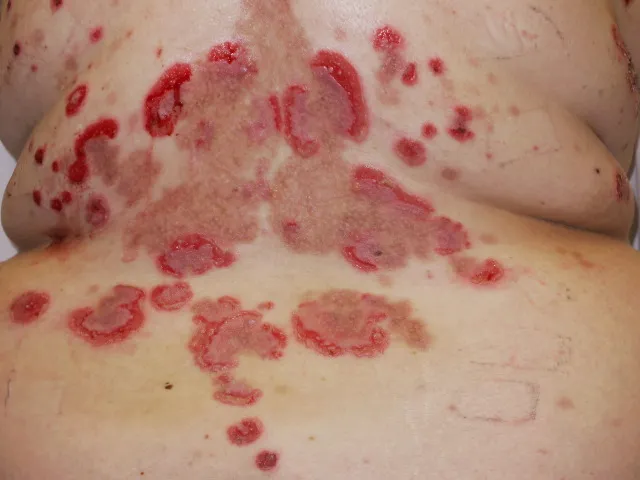
Pemphigus is a rare autoimmune condition that causes painful blisters and sores on the skin and mucous membranes, including the mouth and throat. It develops when the immune system mistakenly attacks proteins that help skin cells stay connected. As a result, the skin becomes fragile, and blisters may develop even after minor friction or pressure.
Living with pemphigus can affect daily activities, eating habits, sleep and overall well-being. Although medical treatment is essential for controlling the condition, good nutrition can help maintain skin health, support normal tissue repair and protect the body against nutritional deficiencies.
Choosing appropriate Pemphigus Supplements may help people meet their nutritional requirements, particularly when their appetite is reduced or their diet is limited by painful mouth sores. Certain vitamins and minerals contribute to collagen production, immune function, antioxidant protection and normal skin maintenance.
However, supplements cannot cure pemphigus, stop autoimmune attacks or replace prescribed medicines. Their suitability depends on individual health needs, medications and nutritional status.
This article explores eight vitamins and nutrients that support general skin health and explains how to approach supplementation safely.
What Are Pemphigus Supplements?
Pemphigus supplements are vitamins, minerals and other nutritional products intended to support general health in people living with pemphigus. They may help address dietary deficiencies and provide nutrients involved in maintaining healthy skin and normal tissue function.
People with pemphigus may experience nutritional challenges because mouth and throat blisters can make chewing and swallowing uncomfortable. Some patients also take corticosteroids or other immune-modifying medicines, which can affect bone health, metabolism and nutritional requirements.
A balanced diet should remain the primary source of essential nutrients. Supplements may be useful when a healthcare professional identifies a deficiency or recommends additional nutritional support.
8 Vitamins and Nutrients That Support Skin Health
1. Vitamin D: Supports Immune Function and Bone Health
Vitamin D is an important nutrient for maintaining healthy bones, supporting muscle function and regulating normal immune activity. People living with pemphigus may have a greater risk of vitamin D deficiency because of limited outdoor activity, reduced sunlight exposure or long-term corticosteroid treatment.
Some research has also identified lower vitamin D levels in people with pemphigus vulgaris compared with healthy individuals. However, researchers have not established that vitamin D supplementation controls pemphigus or prevents blister formation.
Wiley Online Library+1
Vitamin D is particularly important for patients taking prednisone or similar corticosteroids because these medicines can increase the risk of bone loss.
Natural food sources include:
- Egg yolks.
- Fatty fish, such as salmon and sardines.
- Fortified milk and plant-based drinks.
- Fortified cereals.
- Vitamin D-enriched foods.
A vitamin D supplement may be appropriate if blood tests indicate a deficiency. Ask your healthcare provider to recommend a suitable dose and monitor your vitamin D levels.
2. Calcium: Helps Maintain Strong Bones
Calcium is an essential mineral that supports healthy bones, teeth, muscle contractions and nerve function. It deserves particular attention among people with pemphigus who receive long-term corticosteroid treatment.
Medicines such as prednisone can interfere with normal bone metabolism and increase the likelihood of osteoporosis. Maintaining adequate calcium intake, together with vitamin D, can help protect bone health.
International pemphigus treatment recommendations include calcium and vitamin D supplementation when starting glucocorticoid treatment to help prevent osteoporosis.
Good dietary sources of calcium include:
- Milk and yoghurt.
- Cheese.
- Fortified plant-based milk.
- Calcium-set tofu.
- Broccoli and other green vegetables.
- Sardines with edible bones.
If your diet does not provide enough calcium, discuss supplementation with your doctor. Taking excessive calcium without medical advice may cause problems, particularly in people with kidney conditions.
3. Vitamin C: Supports Collagen Production and Tissue Repair
Vitamin C is an antioxidant that plays an important role in collagen production. Collagen is a structural protein that helps maintain the strength and integrity of skin, connective tissue and blood vessels.
People with pemphigus may experience skin damage, erosions and open sores. Adequate vitamin C intake supports normal tissue maintenance and the body's natural wound-healing processes.
Vitamin C also helps the body absorb iron from plant-based foods and contributes to normal immune function.
Foods rich in vitamin C include:
- Oranges and lemons.
- Strawberries.
- Guavas.
- Kiwi fruit.
- Red and green peppers.
- Tomatoes.
- Broccoli.
Including vitamin C-rich foods in everyday meals is a practical way to support nutritional health. Supplements may be considered when dietary intake is inadequate, but high doses are not necessarily more beneficial and can cause digestive discomfort or increase kidney stone risk in susceptible individuals.
4. Zinc: Supports Normal Skin Maintenance
Zinc is an essential trace mineral involved in cell growth, protein synthesis, immune function and normal tissue repair. The body needs zinc to maintain healthy skin and support the processes involved in wound healing.
Some studies have reported lower zinc concentrations in people with pemphigus vulgaris. However, this does not prove that zinc supplements improve disease activity or reduce autoimmune blistering.
People who experience painful mouth sores may struggle to eat a varied diet, potentially increasing their risk of inadequate zinc intake.
Dietary sources of zinc include:
- Pumpkin seeds.
- Beef and poultry.
- Eggs.
- Seafood.
- Beans and lentils.
- Nuts.
- Whole grains.
Before taking zinc supplements, discuss your nutritional requirements with a healthcare professional. Excessive zinc intake can cause nausea and interfere with copper absorption, potentially leading to other nutritional problems.
5. Vitamin B12: Supports Healthy Blood Cells and Nerve Function
Vitamin B12 is essential for producing healthy red blood cells, maintaining nerve function and supporting DNA synthesis. A deficiency can contribute to tiredness, weakness, numbness and anaemia.
People with pemphigus may experience dietary difficulties because mouth and throat lesions can make eating uncomfortable. If these difficulties lead to a restricted diet, vitamin B12 intake may become inadequate.
Vitamin B12 is especially important for people who consume few or no animal products.
Good sources of vitamin B12 include:
- Fish.
- Meat and poultry.
- Eggs.
- Milk and dairy products.
- Fortified breakfast cereals.
- Fortified plant-based drinks.
A vitamin B12 supplement may help correct a confirmed deficiency. However, it should not be considered a direct treatment for pemphigus or a replacement for prescribed medication.
A healthcare professional may recommend blood tests if you experience persistent fatigue, weakness or symptoms associated with vitamin B12 deficiency.
6. Iron: Helps Prevent Nutritional Anaemia
Iron is an essential mineral that helps the body produce haemoglobin, a protein in red blood cells responsible for transporting oxygen throughout the body.
Inadequate iron intake can contribute to iron-deficiency anaemia, which may cause fatigue, dizziness, weakness and reduced exercise tolerance.
People with pemphigus may have difficulty maintaining a balanced diet when painful oral lesions interfere with eating. Some patients may also experience nutritional deficiencies associated with chronic illness or medication use.
Foods containing iron include:
- Lean red meat.
- Chicken and fish.
- Lentils and beans.
- Spinach.
- Pumpkin seeds.
- Fortified cereals.
Vitamin C-rich foods can improve the absorption of iron from plant-based sources.
Iron supplements should only be taken when a healthcare professional identifies a need. Excess iron can be harmful, and fatigue does not always indicate iron deficiency. Blood tests can help determine whether supplementation is appropriate.
7. Selenium: Provides Antioxidant Support
Selenium is a trace mineral that helps the body produce antioxidant enzymes. These enzymes protect cells against damage associated with oxidative stress and contribute to normal thyroid and immune function.
Some research has identified differences in selenium levels between people with pemphigus vulgaris and healthy individuals. However, the relationship between selenium status and pemphigus activity is not fully understood.
Selenium should therefore be considered a nutritional requirement rather than an established pemphigus treatment.
Wiley Online Library+1
Natural food sources include:
- Fish and seafood.
- Eggs.
- Chicken.
- Sunflower seeds.
- Mushrooms.
- Whole grains.
Brazil nuts also contain selenium, but their selenium content can be very high and variable. Eating large quantities or combining them with supplements may lead to excessive intake.
Always consult your healthcare provider before starting selenium supplements, particularly if you already take a multivitamin.
8. Protein: Supports Skin Structure and Tissue Repair
Protein is one of the most important nutritional components for maintaining healthy skin and supporting normal tissue repair. It provides amino acids that the body uses to build and maintain collagen, enzymes, muscles and other essential structures.
People with extensive pemphigus lesions may experience increased nutritional demands. Painful mouth sores can also reduce food intake, making it harder to consume sufficient protein.
Adequate protein intake helps maintain muscle mass and supports normal recovery processes.
Healthy protein sources include:
- Eggs.
- Fish.
- Chicken.
- Lean meat.
- Milk and yoghurt.
- Lentils and chickpeas.
- Tofu.
- Beans and nuts.
If chewing or swallowing is painful, softer protein-rich foods may be easier to consume. Examples include yoghurt, scrambled eggs, blended lentil soup, soft tofu and nutritional smoothies.
A dietitian can help determine your daily protein requirements, particularly if you have extensive skin involvement or difficulty maintaining your weight.
Can Supplements Help Manage Pemphigus Symptoms?
Nutritional supplements may help address deficiencies and support general health, but they cannot stop the autoimmune process responsible for pemphigus.
Research published in 2026 reviewed the relationship between micronutrients and pemphigus vulgaris. It reported that patients may have lower levels of certain vitamins and minerals, including vitamin D, zinc and selenium. However, researchers emphasised that the exact role of these nutrients in the development and progression of pemphigus remains unclear.
For this reason, supplementation should focus on correcting nutritional deficiencies rather than attempting to treat the underlying autoimmune condition.
Natural Treatment for Pemphigus: The Importance of Nutrition
A Natural Treatment for Pemphigus should never replace medical care. However, healthy eating habits can complement a dermatologist's treatment plan and help maintain overall well-being.
People with pemphigus can consider the following dietary practices:
- Eat a variety of fruits and vegetables.
- Include protein-rich foods in daily meals.
- Choose healthy fats from nuts, seeds and fish.
- Drink sufficient water throughout the day.
- Limit highly processed foods.
- Maintain adequate calcium and vitamin D intake.
- Choose soft foods when mouth sores make chewing difficult.
Some foods may irritate existing mouth lesions. Spicy, acidic, salty or crunchy foods can cause discomfort in certain individuals. Keeping a food diary may help identify personal triggers.
A balanced diet is more beneficial than following restrictive diets without medical guidance.
Alternative Treatment for Pemphigus: What Should You Know?
People living with chronic skin conditions sometimes explore an Alternative Treatment for Pemphigus because they want additional ways to support their health.
Herbal products, antioxidants and nutritional supplements are commonly discussed in complementary health approaches. However, there is insufficient reliable clinical evidence to establish that herbal remedies can cure pemphigus or replace conventional treatment.
Some herbal products may also interact with corticosteroids, immunosuppressants and other prescribed medicines.
For example, St John's wort can interact with numerous medications, while certain immune-stimulating herbal products may be unsuitable for people receiving immunosuppressive treatment.
Always inform your dermatologist about herbal products, vitamins and supplements before using them.
How to Choose Pemphigus Supplements Safely
Choosing appropriate supplements requires more than selecting products marketed for skin health. People with pemphigus should consider their nutritional status, existing medications and individual medical needs.
Follow these practical precautions:
- Check for deficiencies: Ask your healthcare provider whether blood tests are appropriate for vitamin D, iron, vitamin B12 and other nutrients.
- Avoid excessive doses: More vitamins and minerals do not necessarily provide better results.
- Review medication interactions: Some supplements can affect prescribed medicines.
- Choose quality products: Look for clearly labelled ingredients and reputable manufacturers.
- Monitor your health: Report unusual symptoms or side effects to your healthcare provider.
- Maintain medical treatment: Never stop prescribed pemphigus medication because you have started taking supplements.
A dermatologist or registered dietitian can help develop an appropriate nutritional plan.
When Should People With Pemphigus Seek Medical Advice?
Pemphigus requires ongoing medical supervision because extensive blistering can lead to infections, fluid loss and nutritional problems.
Contact your healthcare provider if you experience:
- Increasing numbers of skin blisters.
- Painful or worsening mouth sores.
- Difficulty swallowing food or liquids.
- Unexplained weight loss.
- Persistent fatigue or weakness.
- Signs of infection around skin lesions.
- Difficulty maintaining adequate food and fluid intake.
Seek urgent medical attention if extensive blistering, fever, dehydration or rapidly worsening symptoms develop.
Early medical assessment can help prevent complications and ensure appropriate treatment.
How Herbs Solutions By Nature Approaches Skin Health
Herbs Solutions By Nature focuses on natural wellness products and herbal health information. When exploring nutritional support for skin health, it is important to distinguish between general wellness products and treatments supported by clinical evidence.
People interested in herbal supplements should review product ingredients, check for possible medication interactions and consult a qualified healthcare professional before starting a new product.
Natural products should be used responsibly, particularly by people living with autoimmune conditions such as pemphigus.
Visit Herbs Solutions By Nature to explore its natural health and herbal wellness information.
Frequently Asked Questions About Pemphigus Supplements
1. Which vitamins are important for people with pemphigus?
Vitamin D, vitamin C, vitamin B12 and other essential nutrients support normal skin maintenance, immune function and general health. Supplementation depends on individual nutritional needs.
2. Can vitamin D supplements help people with pemphigus?
Vitamin D supports normal immune function and bone health. It is particularly important for people taking long-term corticosteroids, but it is not an established treatment for pemphigus.
3. Is zinc good for skin health?
Zinc contributes to normal immune function, cell growth and tissue repair. Correcting zinc deficiency may support general health, although zinc supplements have not been proven to control pemphigus.
4. Can natural supplements cure pemphigus?
No. There is currently no established vitamin, mineral or herbal supplement that cures pemphigus. Medical treatment remains essential.
5. Should people with pemphigus take calcium supplements?
People receiving long-term corticosteroid treatment may need calcium and vitamin D supplementation to protect bone health. A healthcare professional should determine the appropriate amount.
Conclusion
Pemphigus is a challenging autoimmune condition that requires proper medical treatment and ongoing care. Although nutritional supplements cannot cure the disease or prevent autoimmune blistering, essential vitamins and nutrients can support general skin health, tissue maintenance and overall nutritional well-being.
Vitamin D, calcium, vitamin C, zinc, vitamin B12, iron, selenium and protein are important components of a balanced nutritional approach. However, not everyone needs all eight supplements.
The best approach is to maintain a varied diet, identify nutritional deficiencies, discuss supplementation with a healthcare professional and continue prescribed treatment. Combining appropriate medical care with good nutritional habits can help people with pemphigus maintain their overall health and quality of life.
Medical Disclaimer
This article is intended for educational and informational purposes only. It does not provide medical advice, diagnosis or treatment. Pemphigus is a serious autoimmune condition that requires assessment and management by a qualified healthcare professional. Vitamins, minerals and herbal supplements are not substitutes for prescribed medication. Consult your dermatologist before starting, changing or stopping any supplement or treatment.